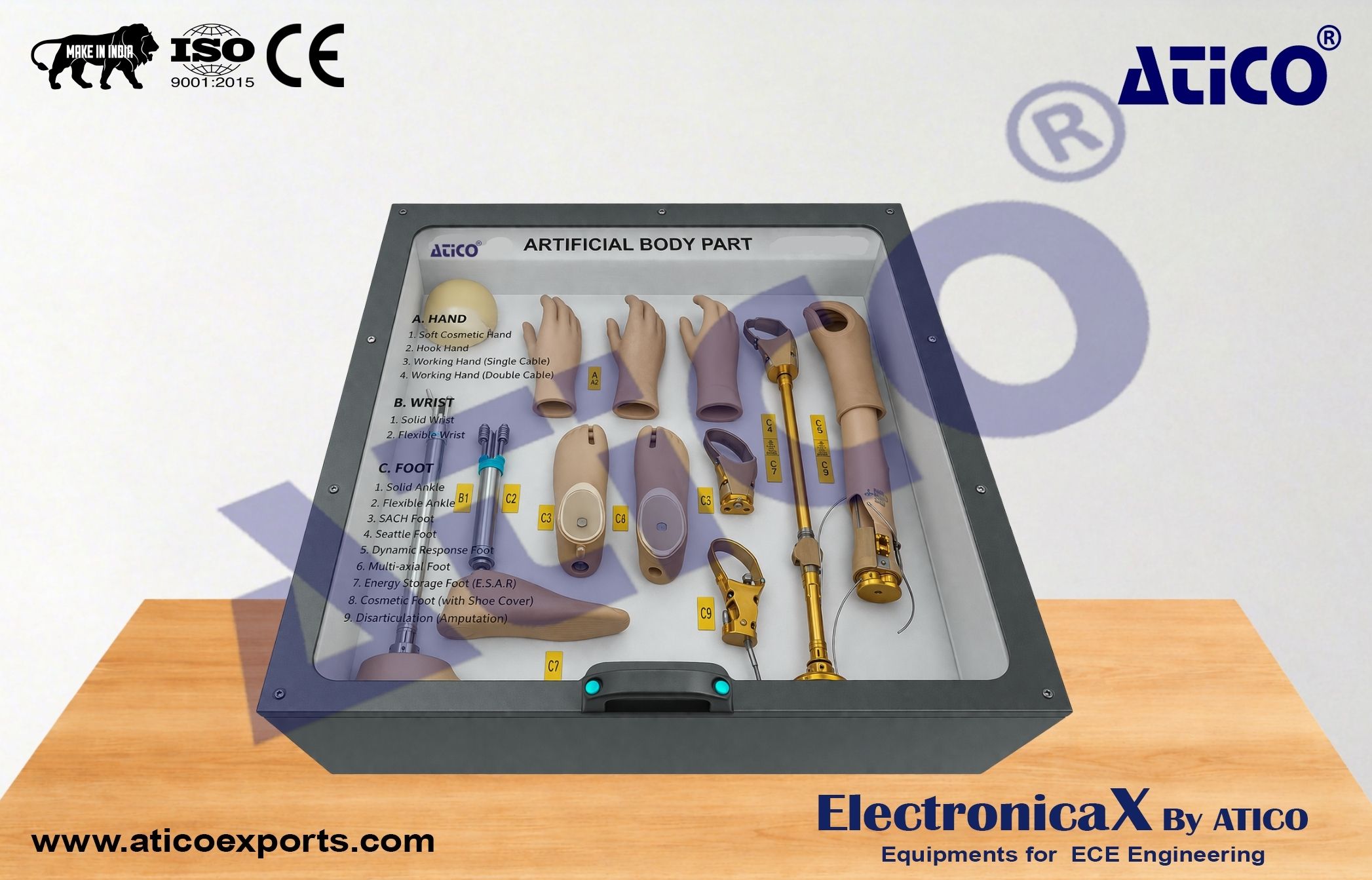
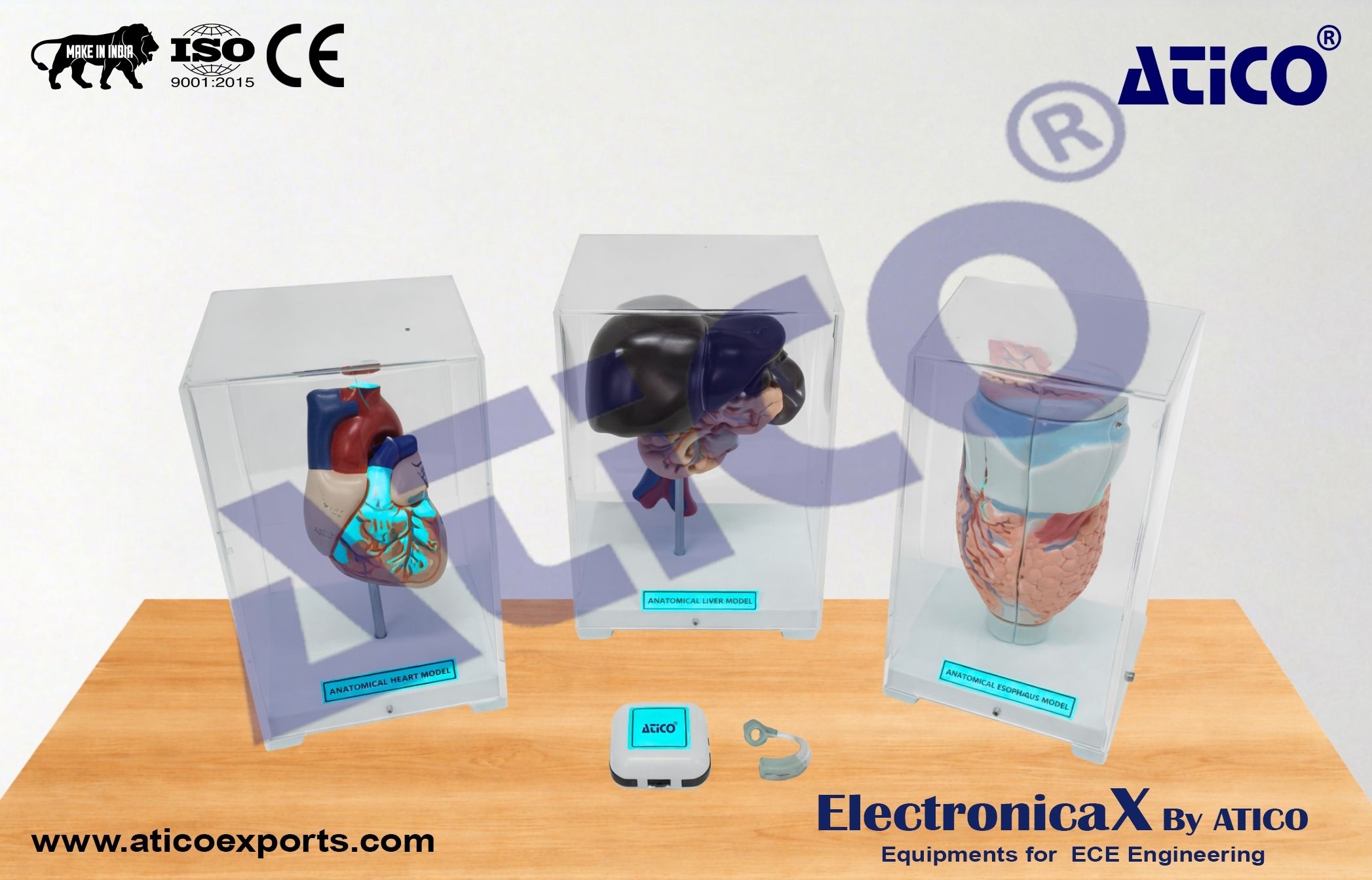
Artificial Body Part is an artificial device that replaces a missing body part, which may be lost through trauma, disease, or congenital conditions.
Prosthetics are intended to restore the normal functions of the missing body part.
Prosthetic amputee rehabilitation is primarily coordinated by a prosthetist and an interdisciplinary team of health care professionals including psychiatrists, surgeons, physiotherapists, and occupational therapists.
Prostheses can be created by hand or with Computer-Aided Design (CAD), a software interface that helps creators design and analyze the creation with computer-generated 2-D and 3-D graphics as well as analysis and optimization tools. New advances in artificial limbs include mid-levels of integration with the human body. Electrodes can be placed into nervous tissue, and the body can be trained to control the prosthesis. This technology has been used in both animals and humans.
The prosthetic can be controlled by the brain using a direct implant or implant into various muscles.