Loading product…
Loading product…
Need Help?
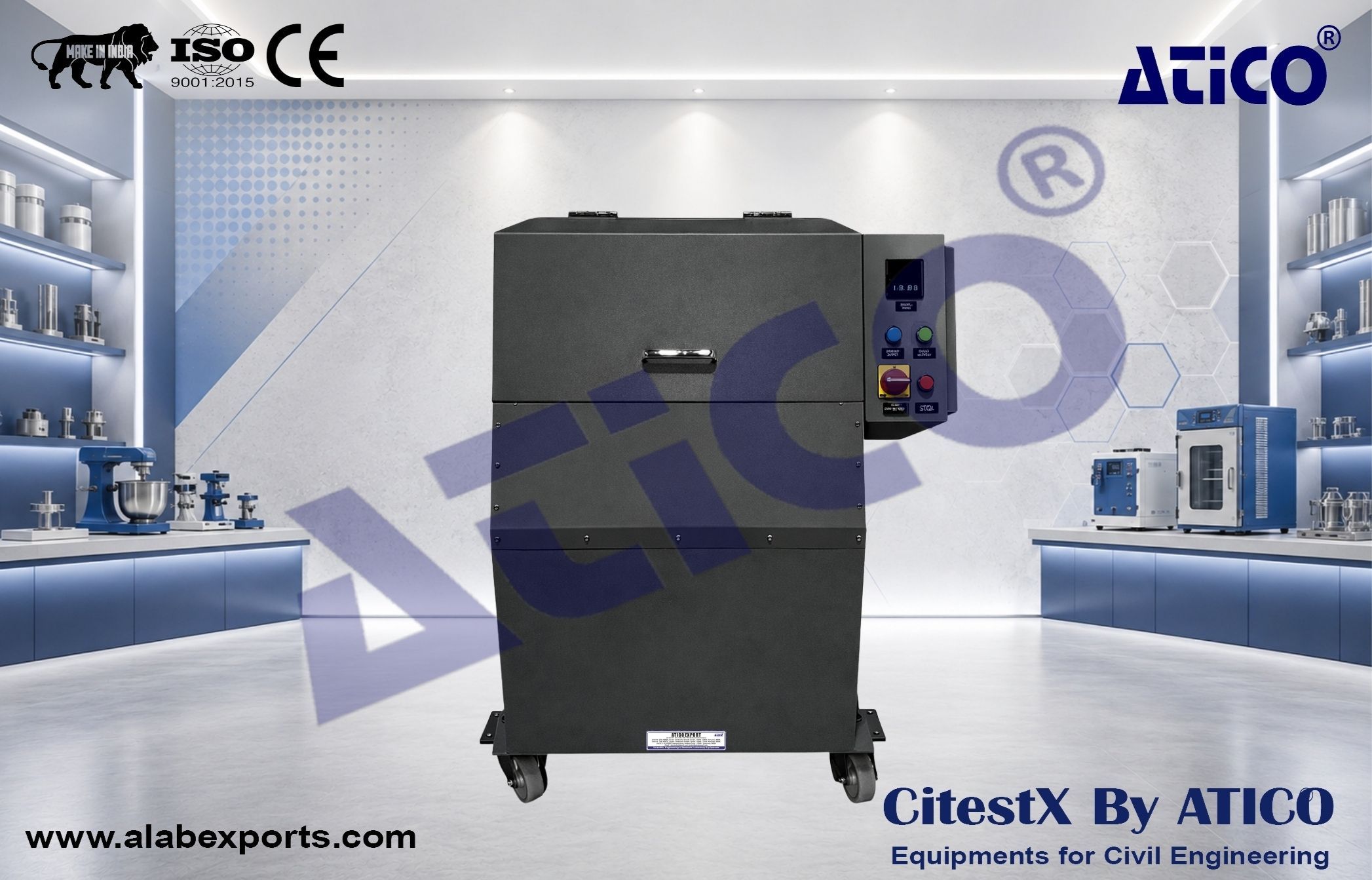
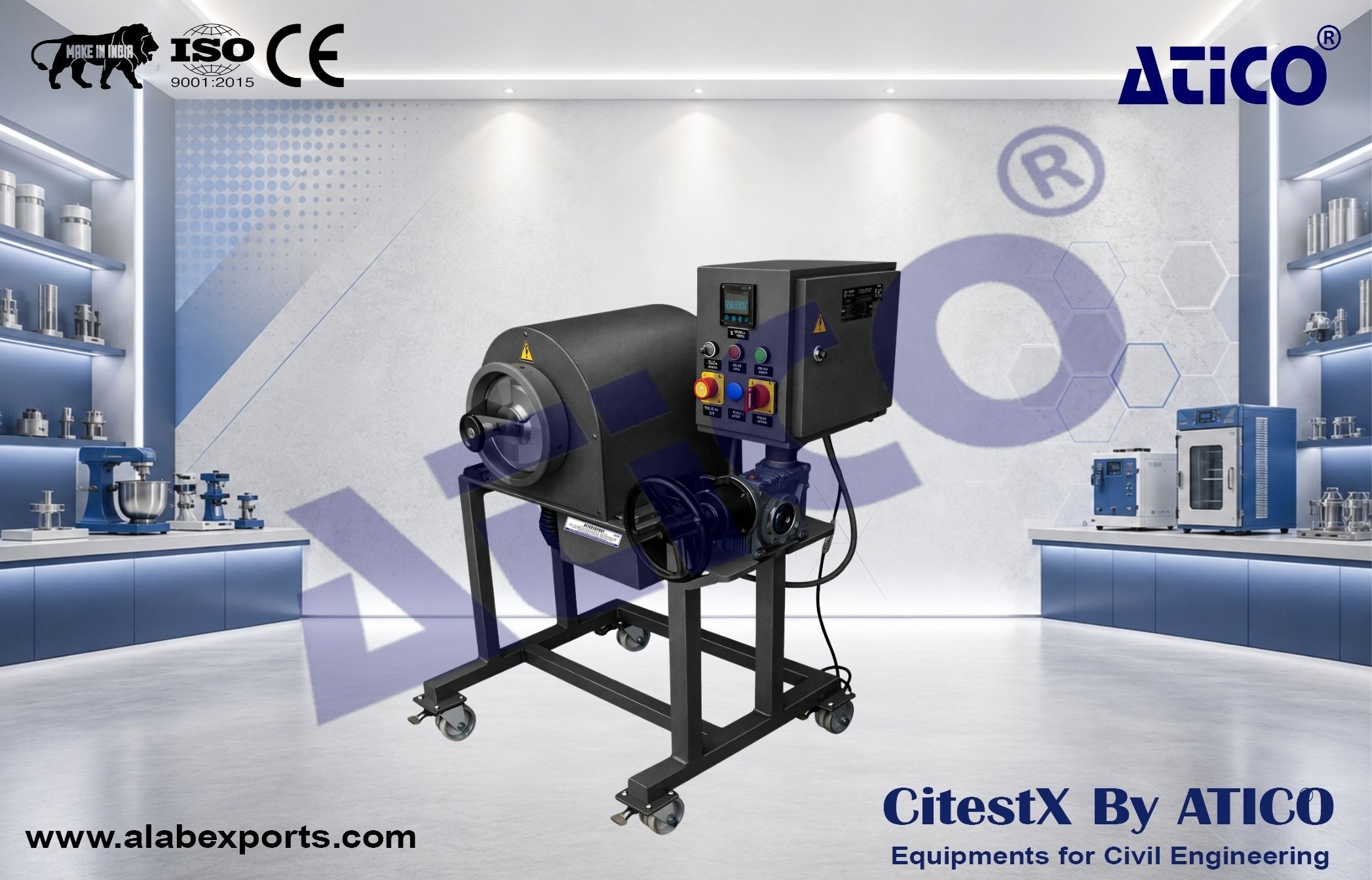
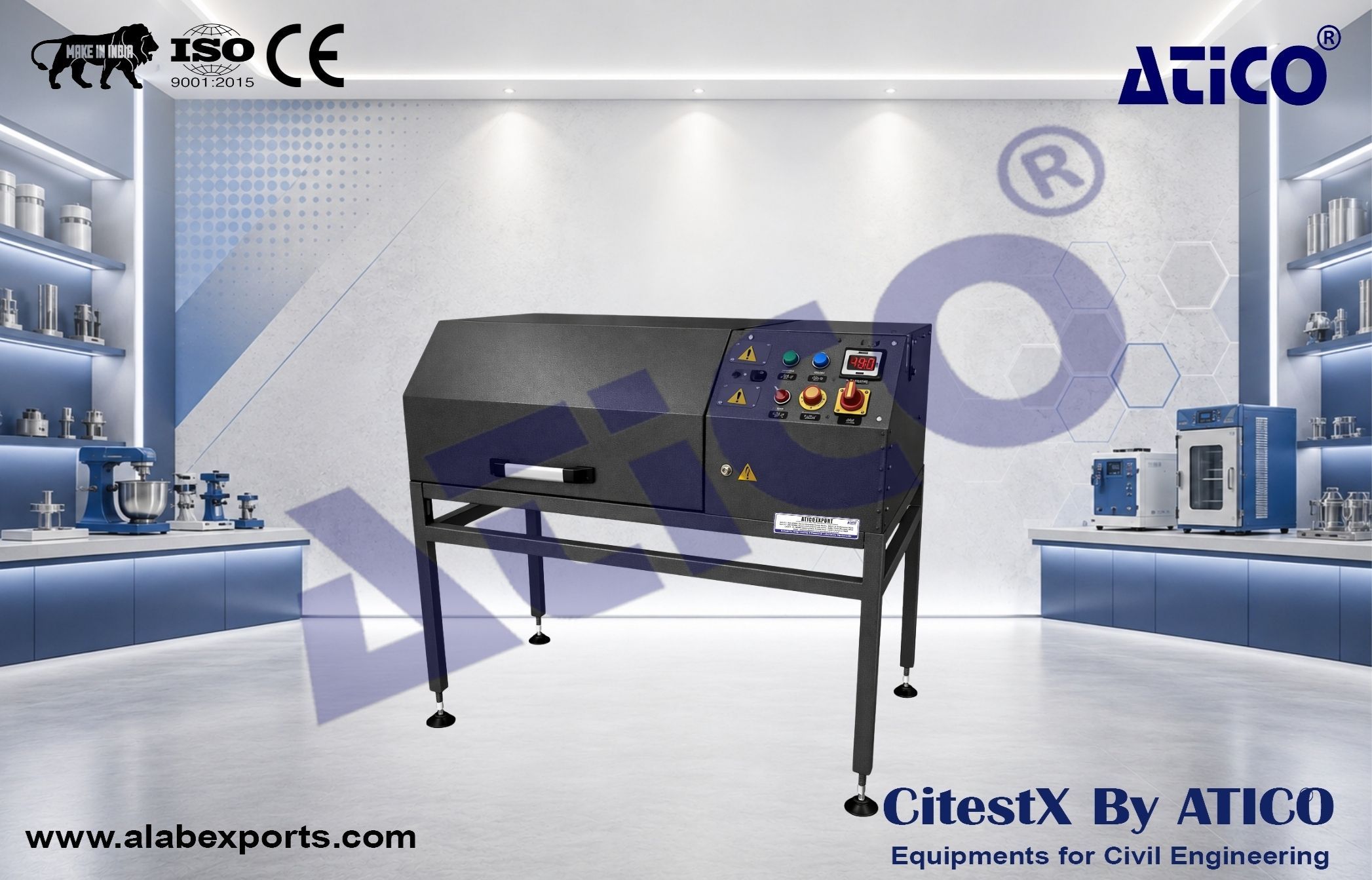
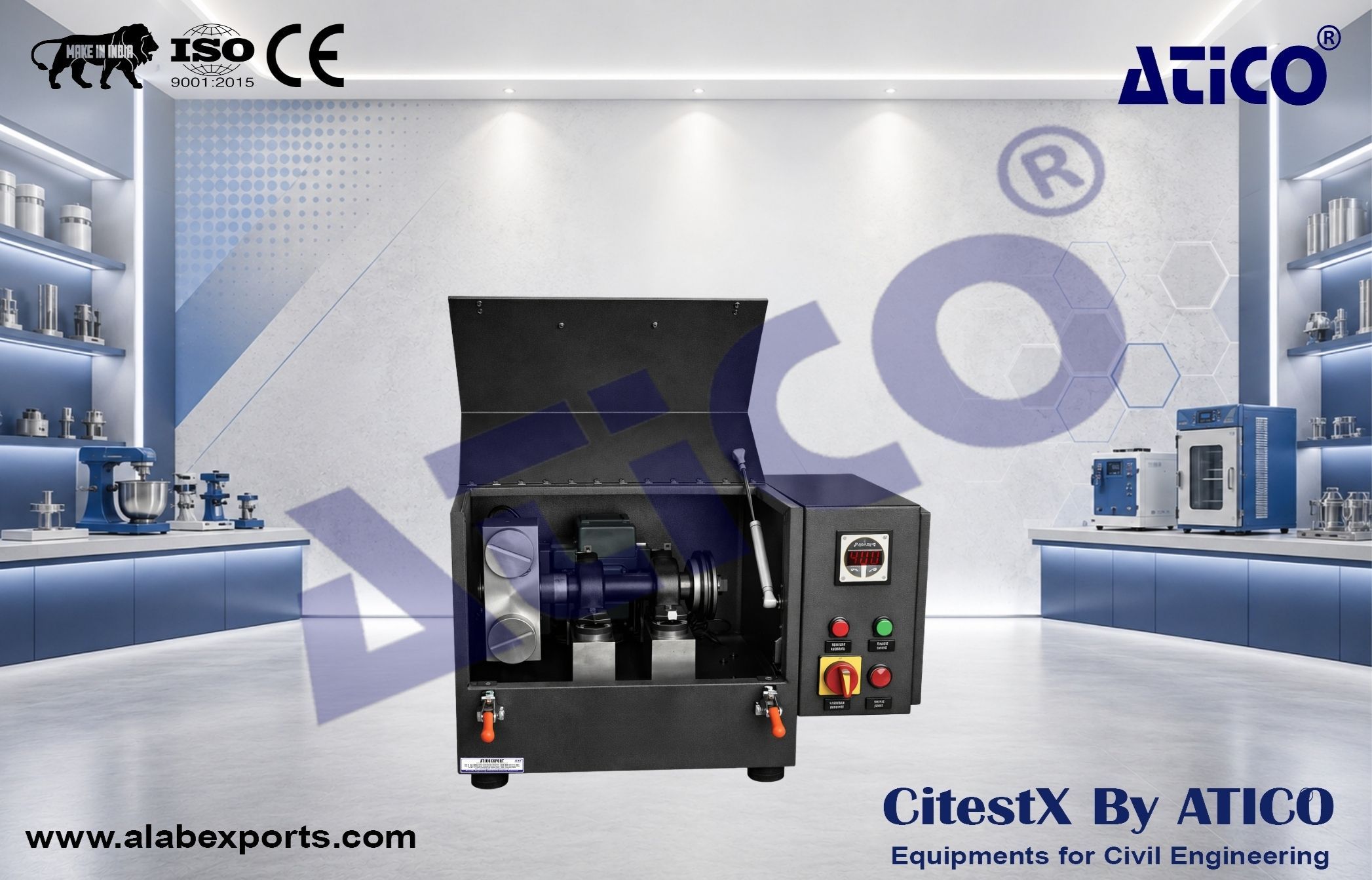
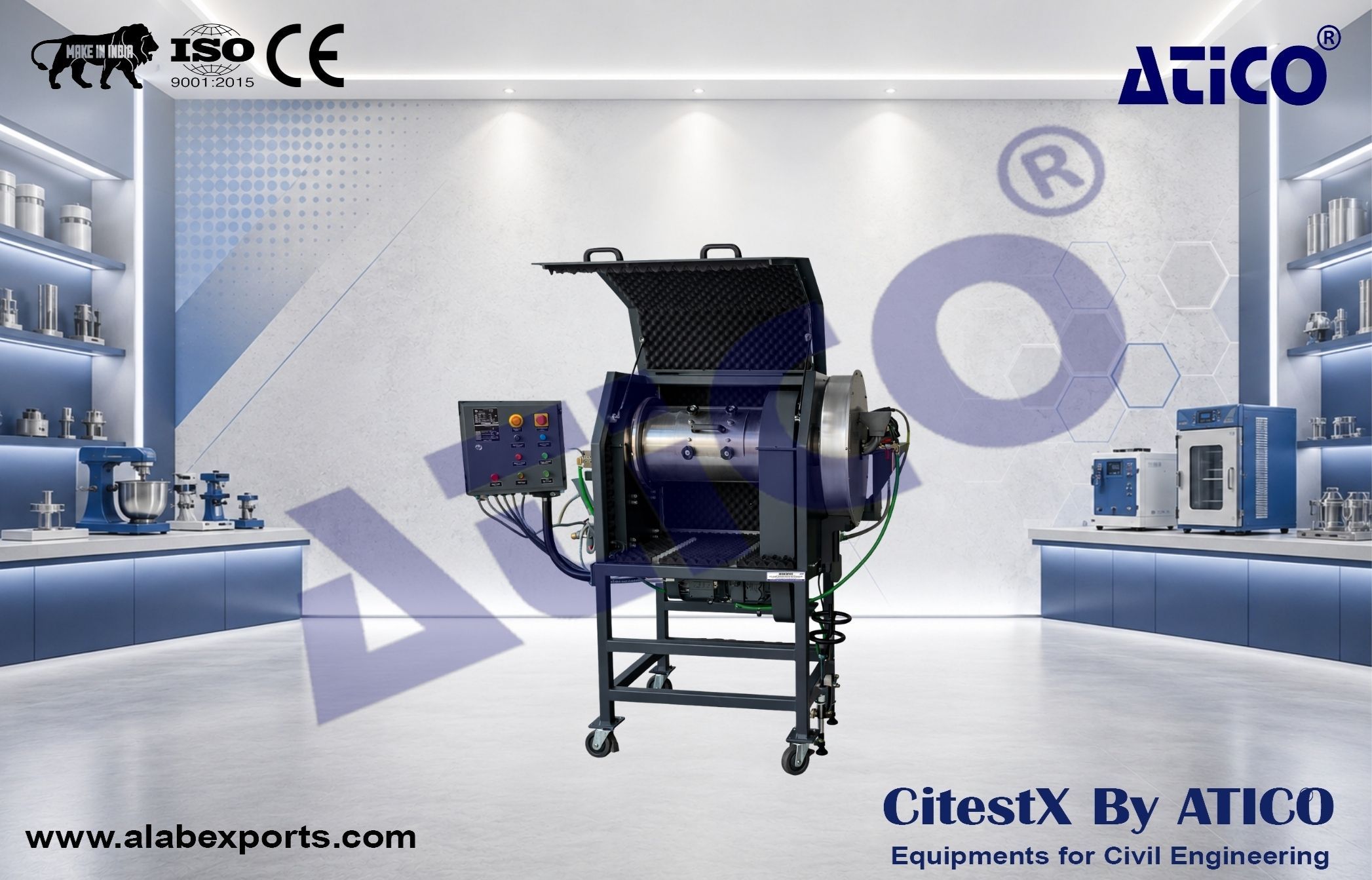
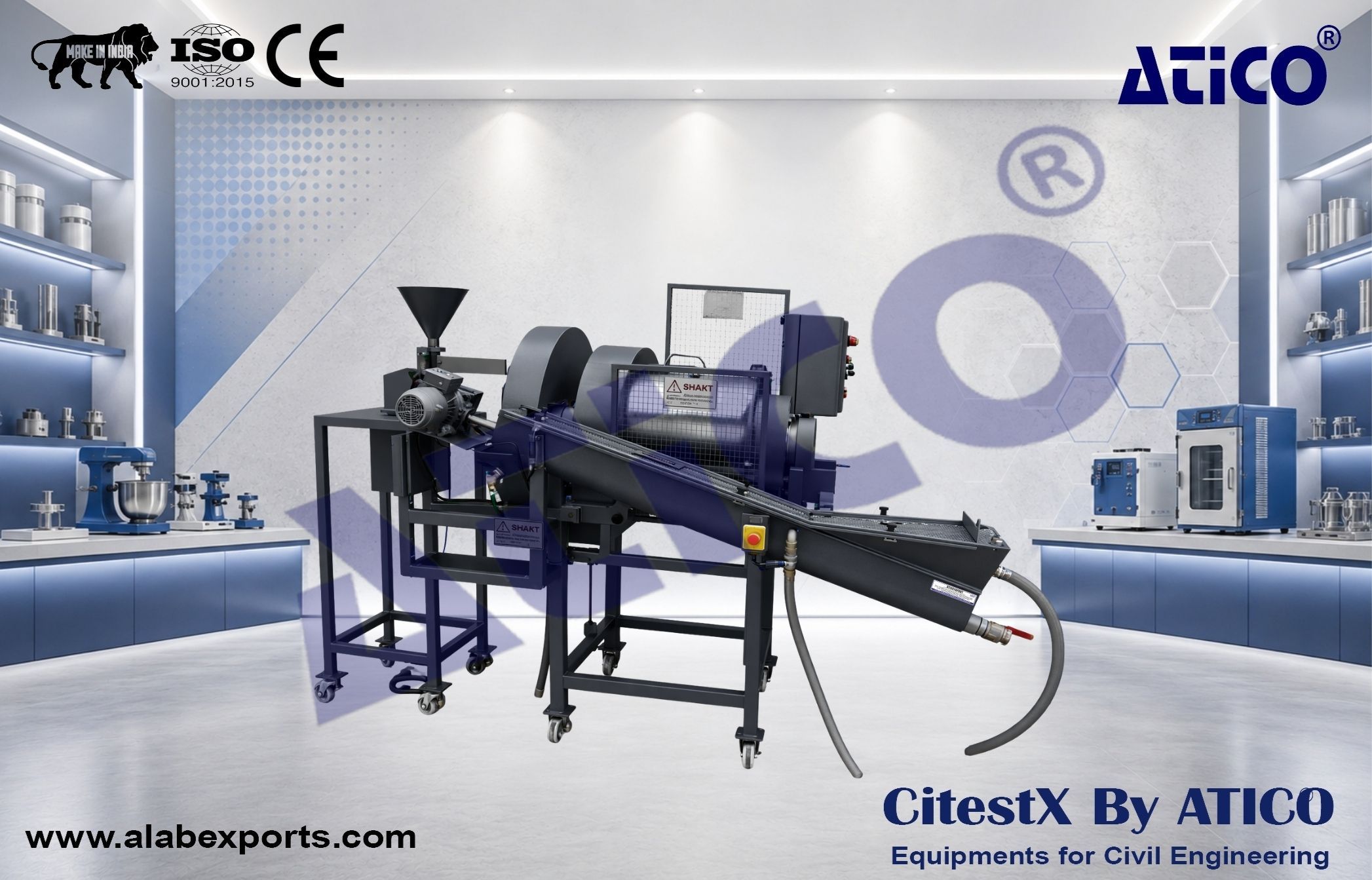
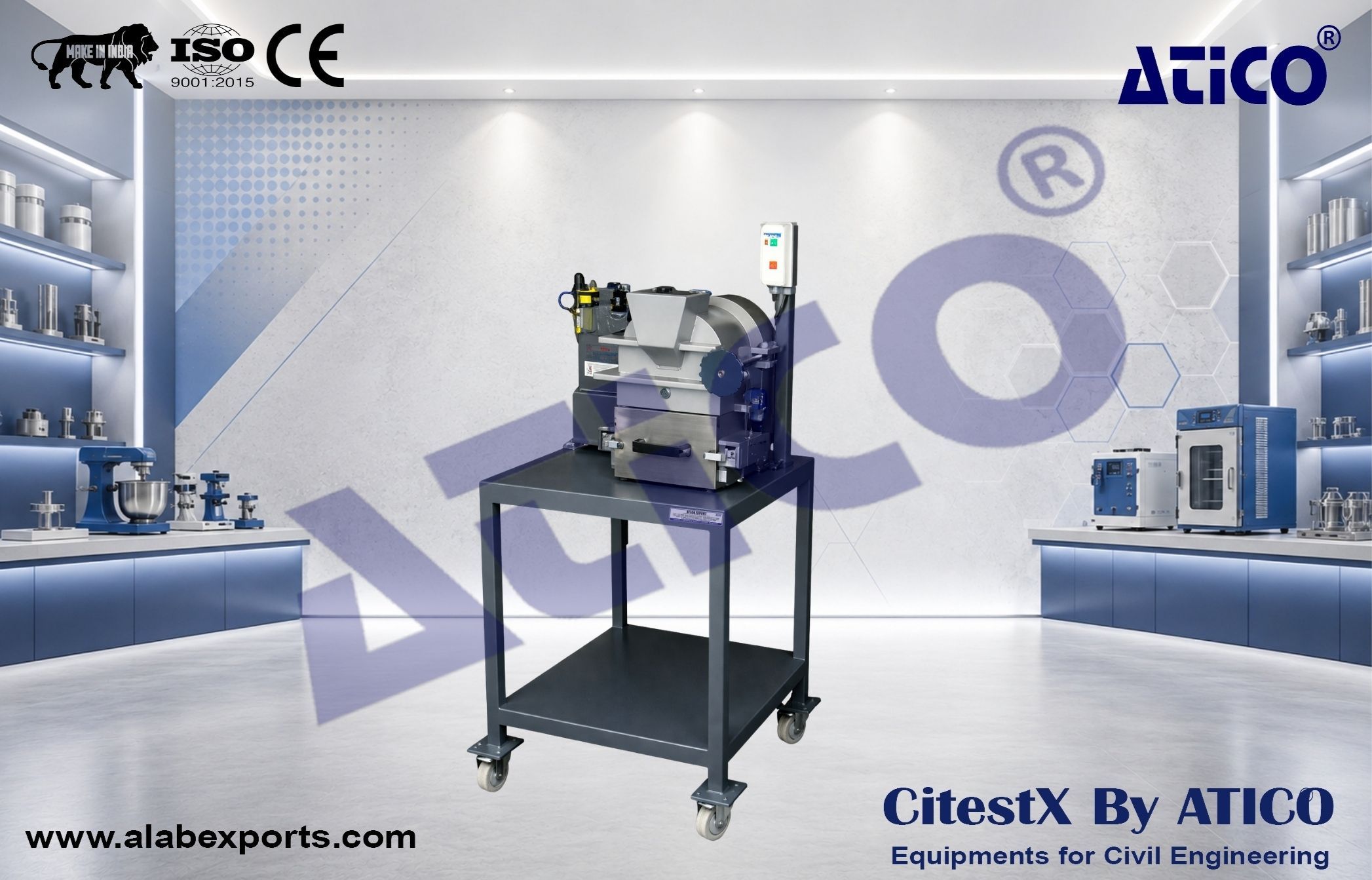
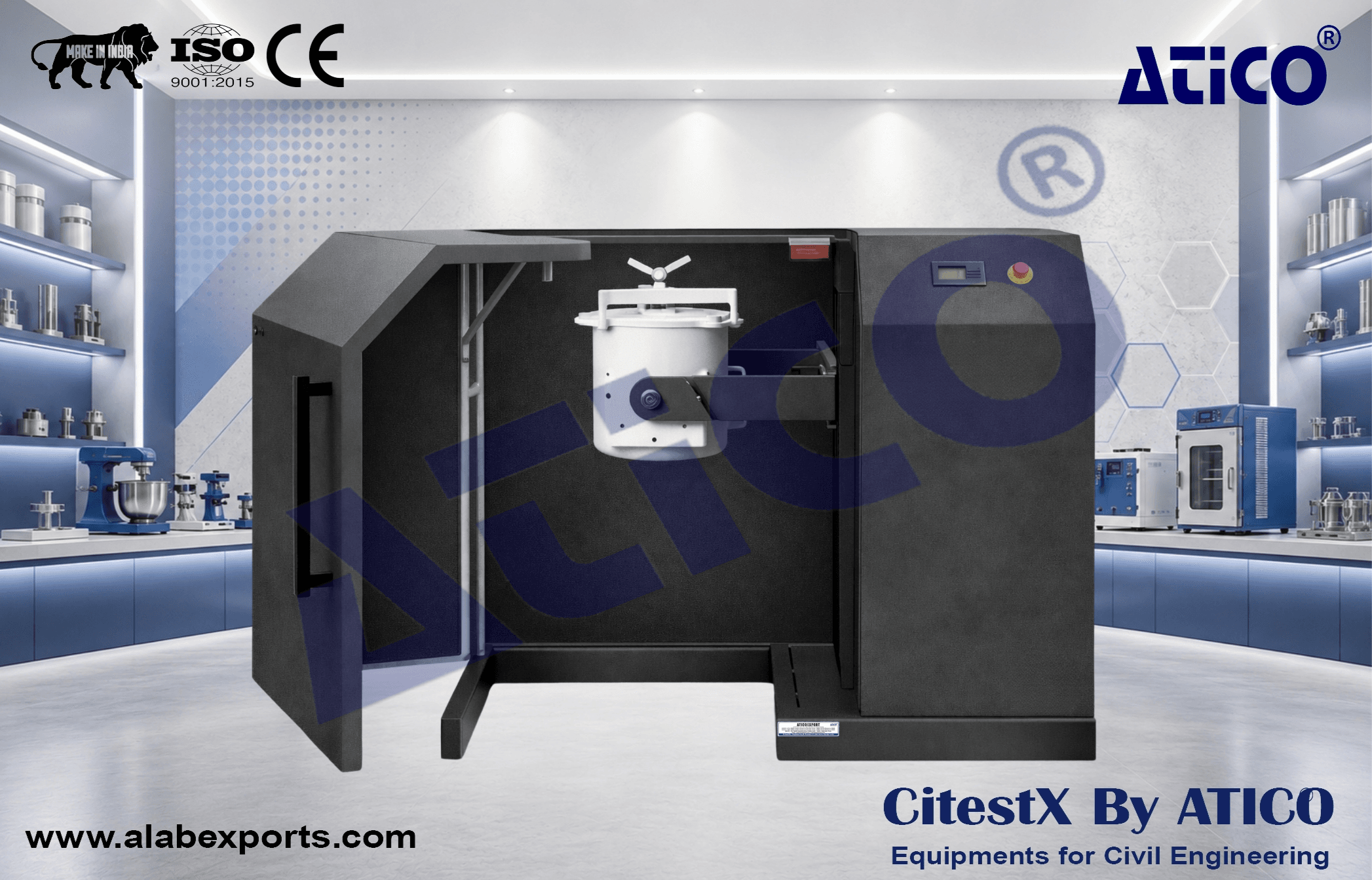
+91 98967 93832The Drum Mill (Net weight – 306 kg) is utilized for preparing granules and powders through a grinding process conducted in either dry or wet conditions. This versatile grinder can function as either a Ball or a Rod Mill by employing the corresponding module. To ensure an efficient grinding process, it is essential to use a sufficient number of balls or rods. Depending on the sample material, a final fineness below 20 microns can be achieved.
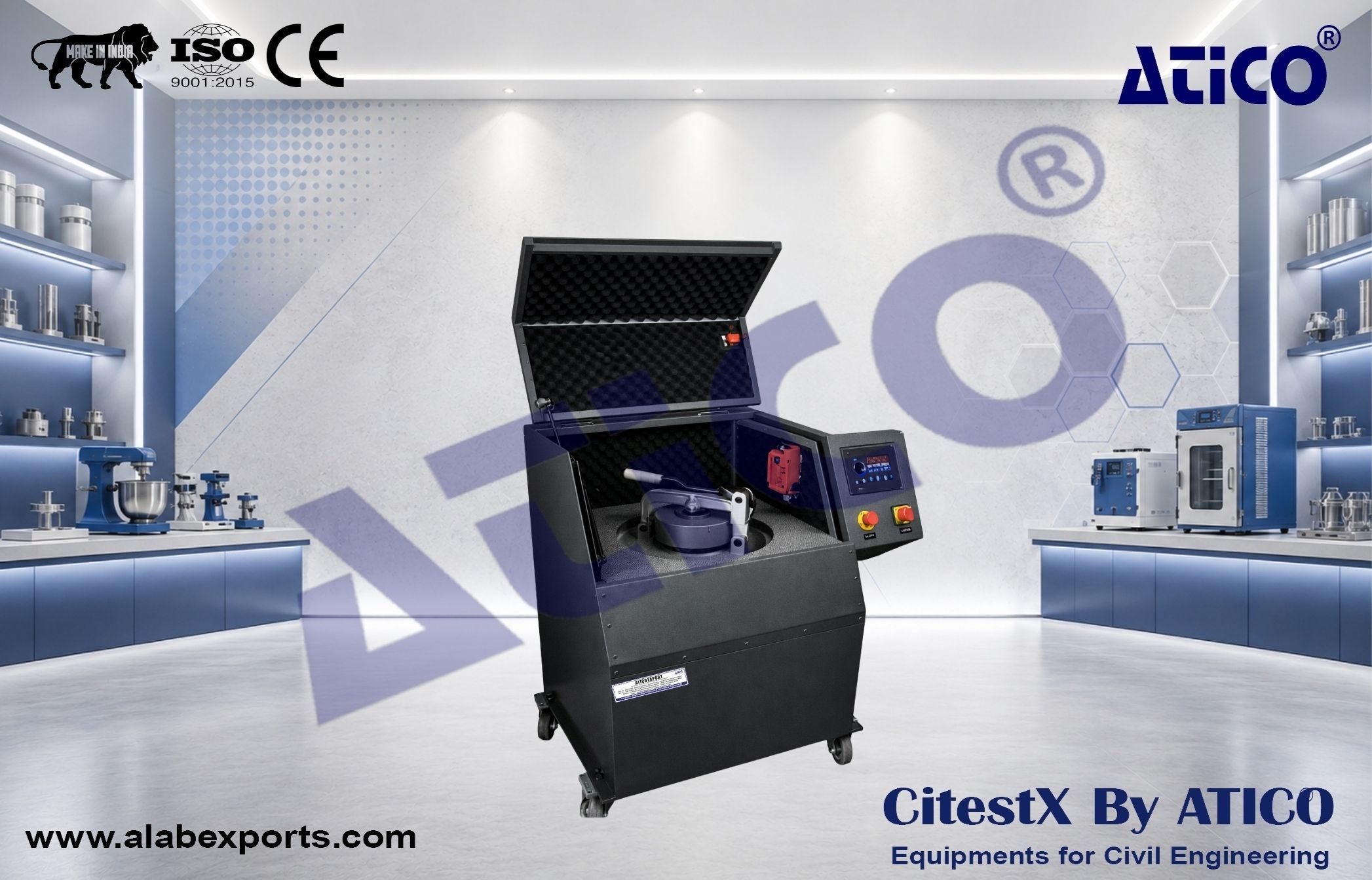
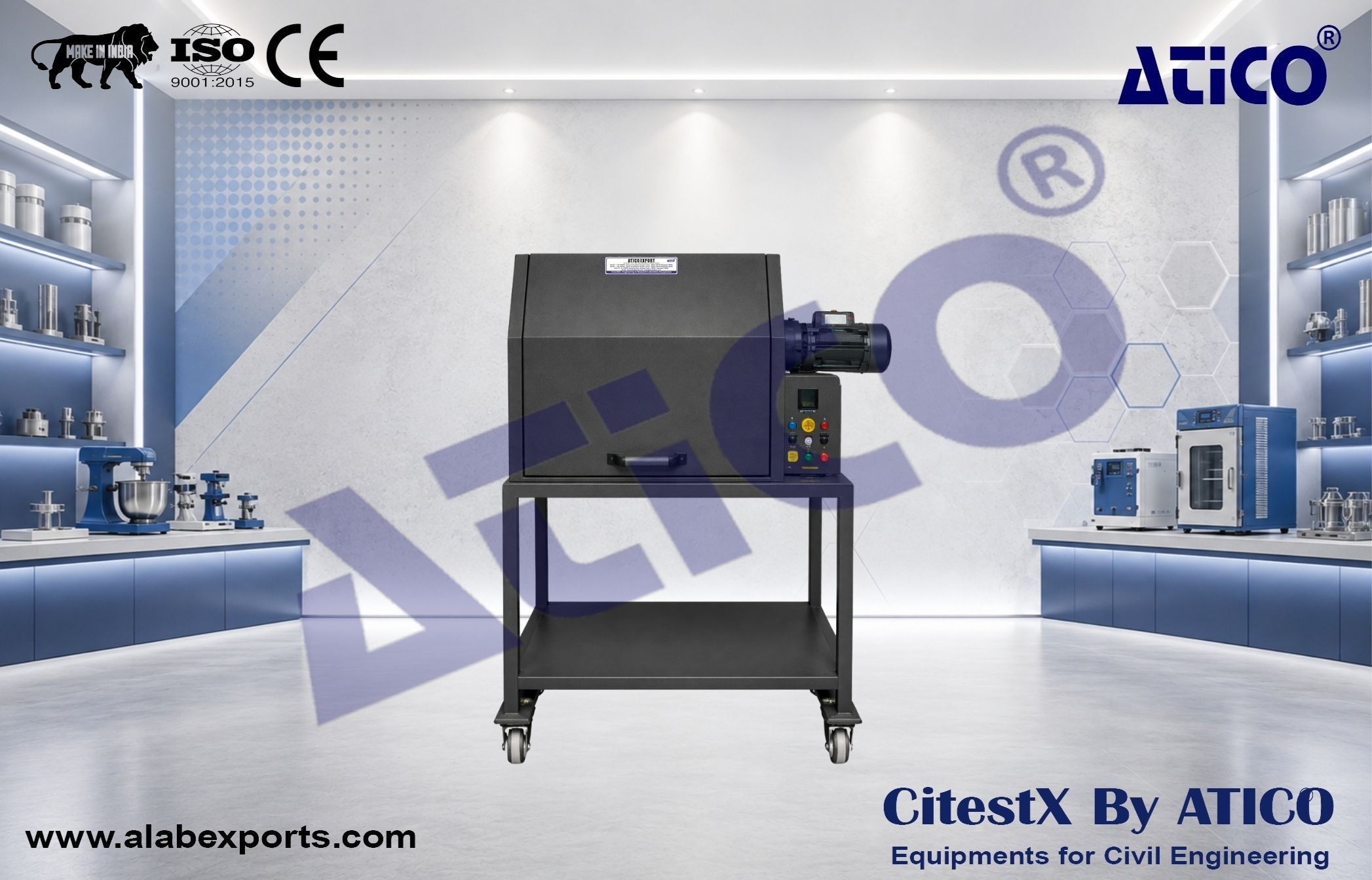
The drum mill comprises a gear motor mounted on a robust steel frame, a set of separation grids, and a sample collector. The DRUM MILL (NET WEIGHT – 306 KG) is designed with a yoke and locking mechanism that facilitates easy access to the sample. Cleaning is made convenient by a quick-release locking mechanism, allowing effortless removal of the drum cover.
The DRUM MILL (NET WEIGHT – 306 KG) accepts sample volumes up to 20 l and is therefore also suited for upscaling processes.
SAFE AND CONVENIENT OPERATION
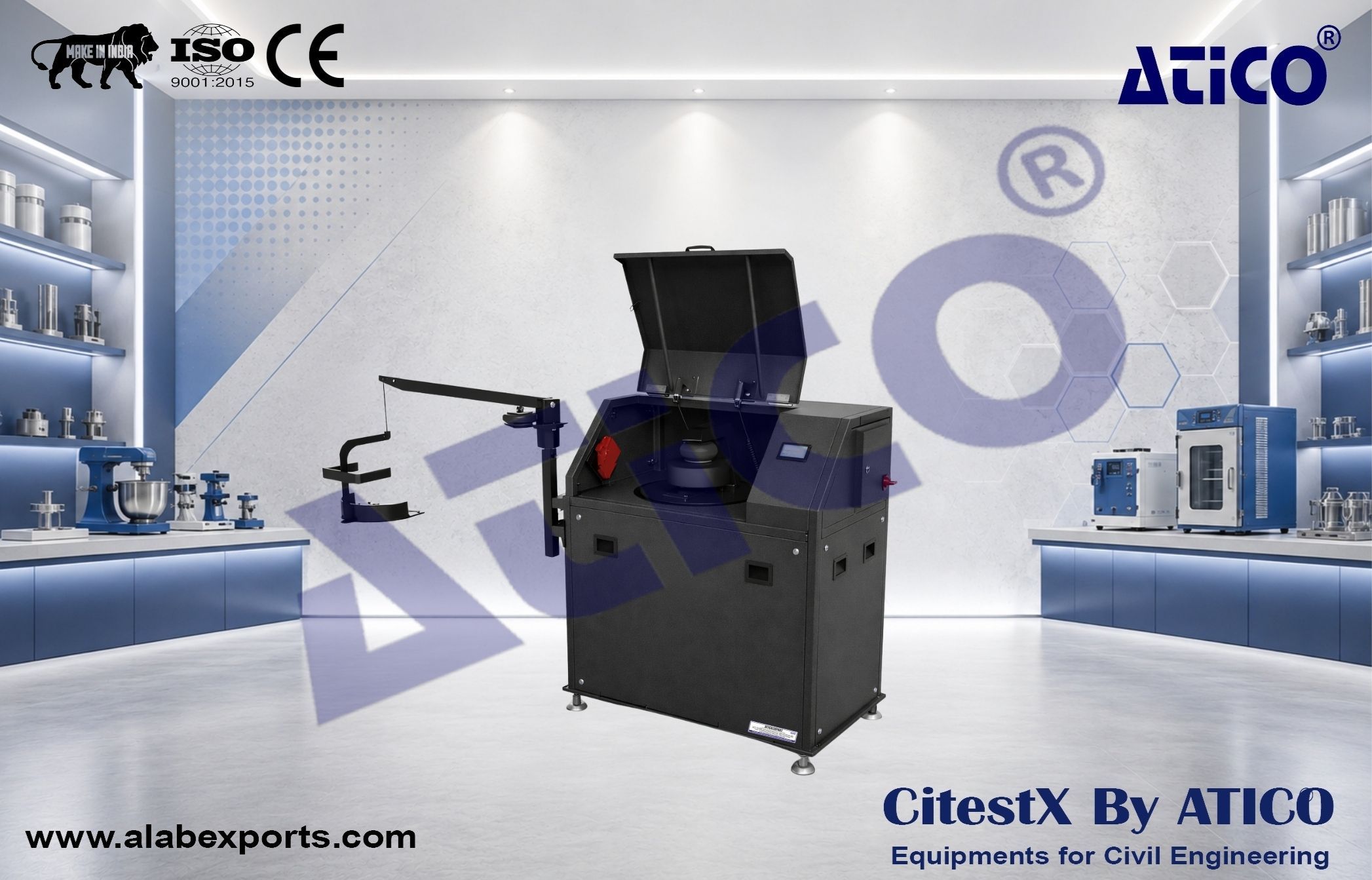
The DRUM MILL (NET WEIGHT – 306 KG) stands out for its user-friendly features. The easy tilt mechanism facilitates the swift and uncomplicated emptying of the grinding jar. The removable sample collector simplifies the sample retrieval process, making it convenient for operators to access their collected materials.
The solid noise-protection hood contributes to a quieter and more comfortable working environment.
The DRUM MILL (NET WEIGHT – 306 KG) is equipped with an emergency switch, providing a quick and reliable means to halt the milling process in case of unforeseen circumstances, underscoring the commitment to user safety.
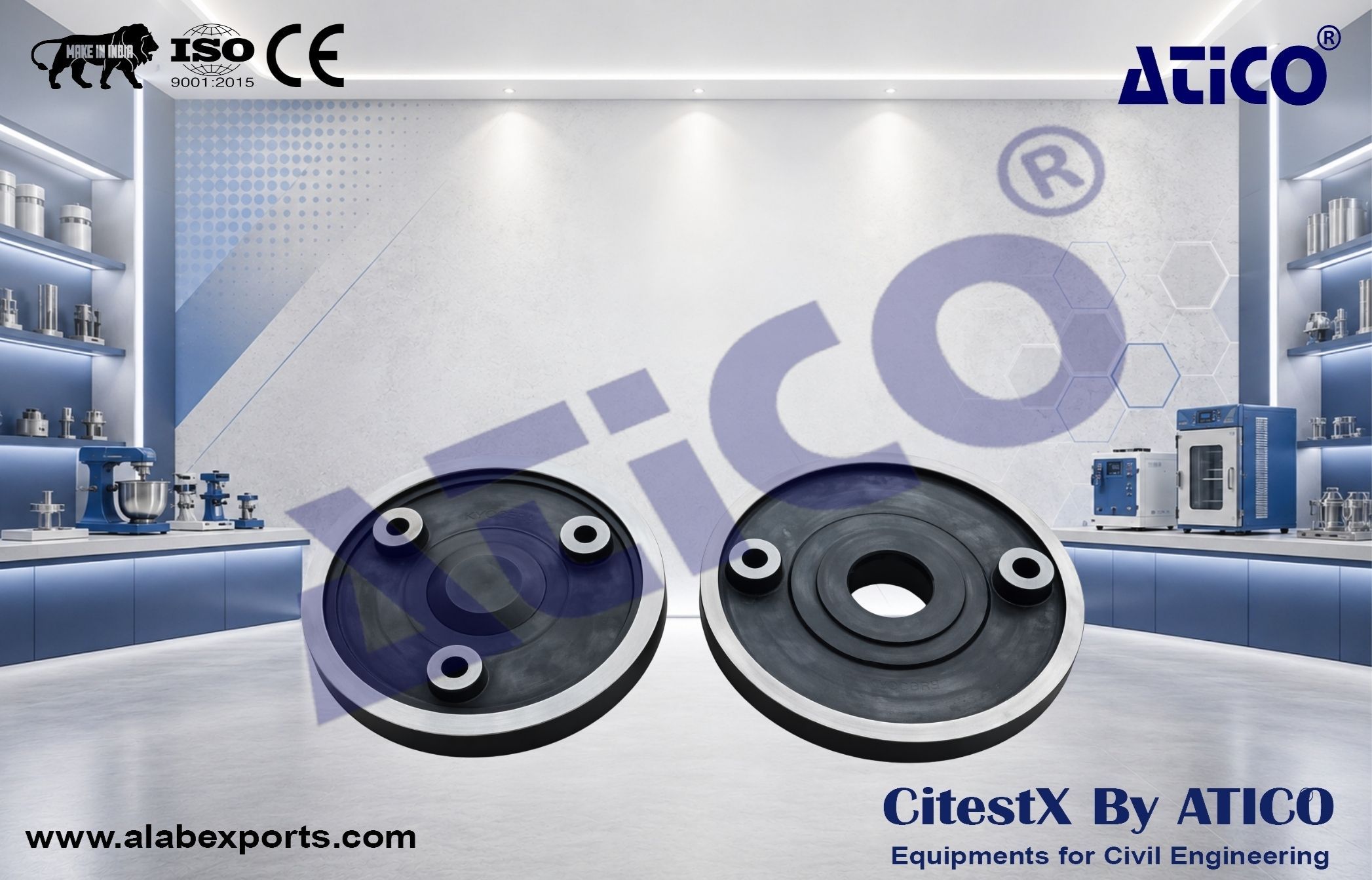
The redesigned drums and drum covers of the DRUM MILL (NET WEIGHT – 306 KG) feature improved handling, allowing the lid to be secured with just one screw for a perfect seal, even during wet grinding.
PARAMETER SETTING
Process parameters like grinding time or start/stop are conveniently set via the DRUM MILL (NET WEIGHT – 306 KG)'s large display interface. Settings include:
Variable speed from 1 to 80 rpm
Grinding time of up to 99:59:59 h:min:s
Rotation direction, e. g. to reduce caking effects
Programmable interval & break options for temperature-sensitive samples
Delayed start function
Drum filling level for grinding balls and rods
While the maximum sample feed size depends on properties like hardness and breaking behaviour, a particle size of approximately 5 mm is ideal for the DRUM MILL (NET WEIGHT – 306 KG). Larger sizes are acceptable but should not exceed 15 mm. For sample lumps which break very easily or for deagglomeration effects, a feed size between 20 and 30 mm is feasible. For such easy-to-process samples, the sample filling level may be increased to 20 l.
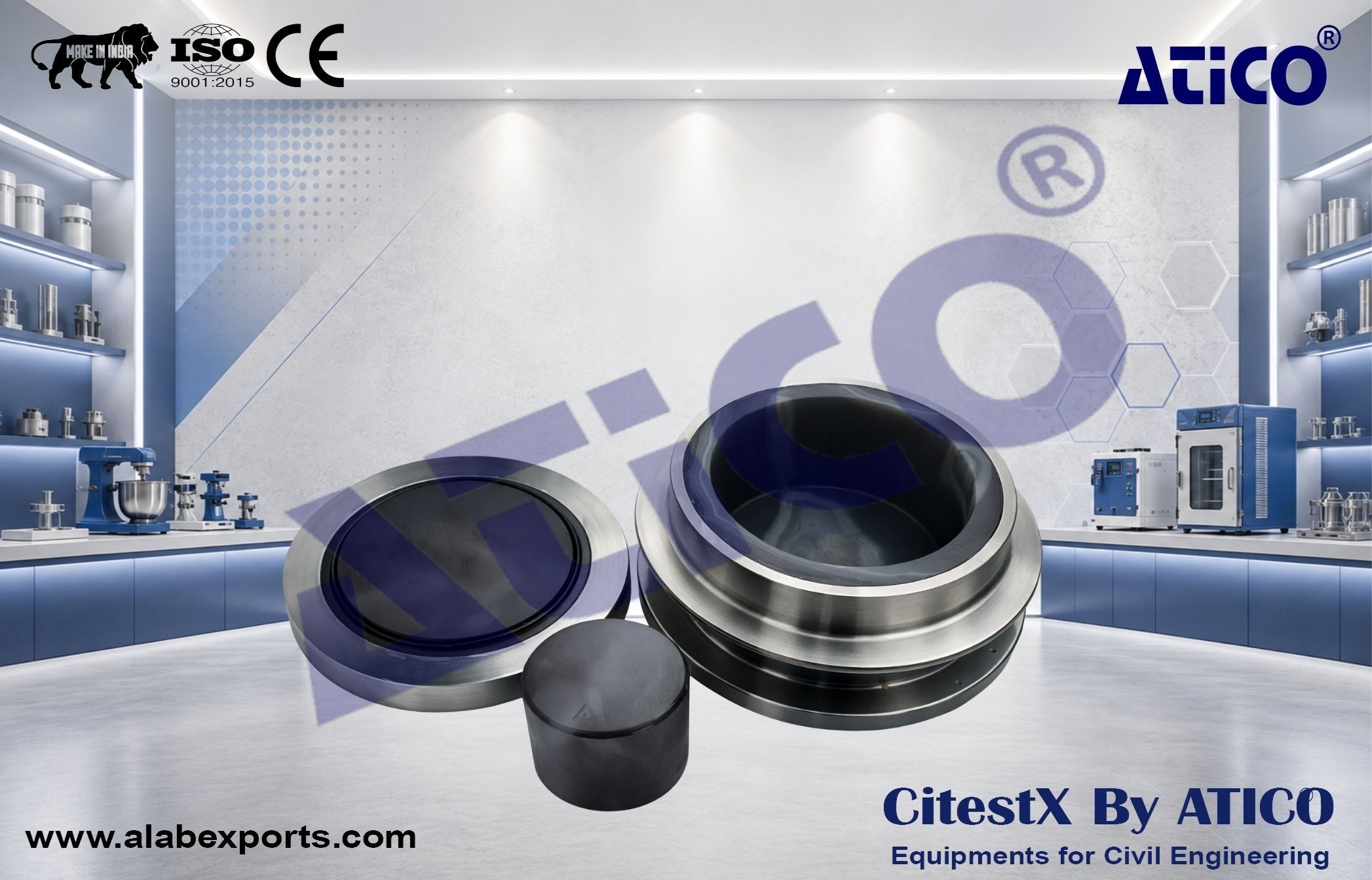
If special drums of stainless steel 1.4404 in sizes 21.7 / 10 / 5 l together with grinding balls of steel 1.4404 are employed, it is possible to carry out wet grinding in the DRUM MILL (NET WEIGHT – 306 KG). The total filling volume for wet grinding may exceed the recommended amount for dry grinding. It may be helpful to use a large number of small grinding balls to increase friction.
FUNCTIONAL PRINCIPLE
In a drum mill the sample (usually pre-crushed material) is placed inside the drum with the grinding balls and subjected to external forces.
The Ball Mill is used for fine grinding of solid matter by impact and friction in dry condition. The drum, which contains the sample and grinding balls, rotates around a horizontal axis. Whereas particles break more easily when larger grinding ball diameters are used, smaller diameters lead to a substantially higher final fineness.
The ball and the rod mill basically have the same concept comprising either a 12''x12'' jar with grinding balls or a 12''x24'' jar with grinding rods.
The jar is attached to a rotating yoke which is driven by a motor and can be placed in three different positions: Upwards for loading, horizontal for grinding, downwards for discharging.
To carry out the Bond Index test the pre-defined number of grinding balls or grinding rods is required. The electronic control integrated in the drive is equipped with an overload protection and permits and controls different speeds.
During the grinding process the difference in speeds between the balls / rods and grinding jar produces an interaction between frictional and impact forces, which releases the required comminution energy. The interplay between these forces produces a very effective degree of size reduction.
Applications :
Field of application :
Feed material :
Size reduction principle :
Material feed size :
used as Bond Index Tester :
Final fineness :
used as Bond Index Tester :
Batch size / feed quantity :
used as Bond Index Tester :
Rotation speed :
used as Bond Index Tester :
No. of grinding stations :
Material of grinding tools :
used as Bond Index Tester :
Grinding drum :
used as Bond Index Tester :
Setting of grinding time :
Drive :
Drive power :
Electrical supply data :
Power connection :
Protection code :
Power consumption :
W x H x D closed :
V1500 x 1200 x 700 mm
Net weight :
Standards :