Loading product…
Loading product…
Need Help?
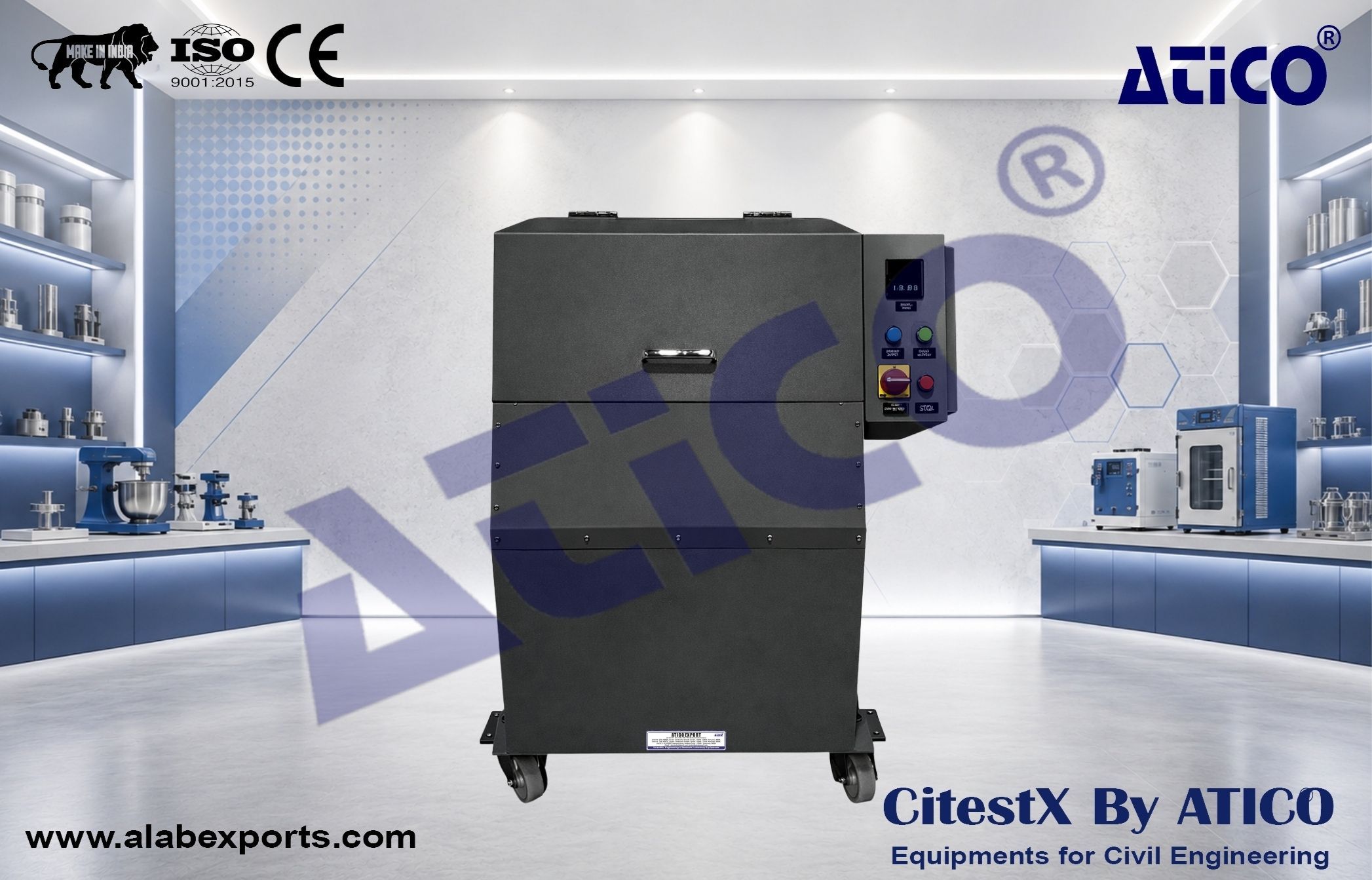
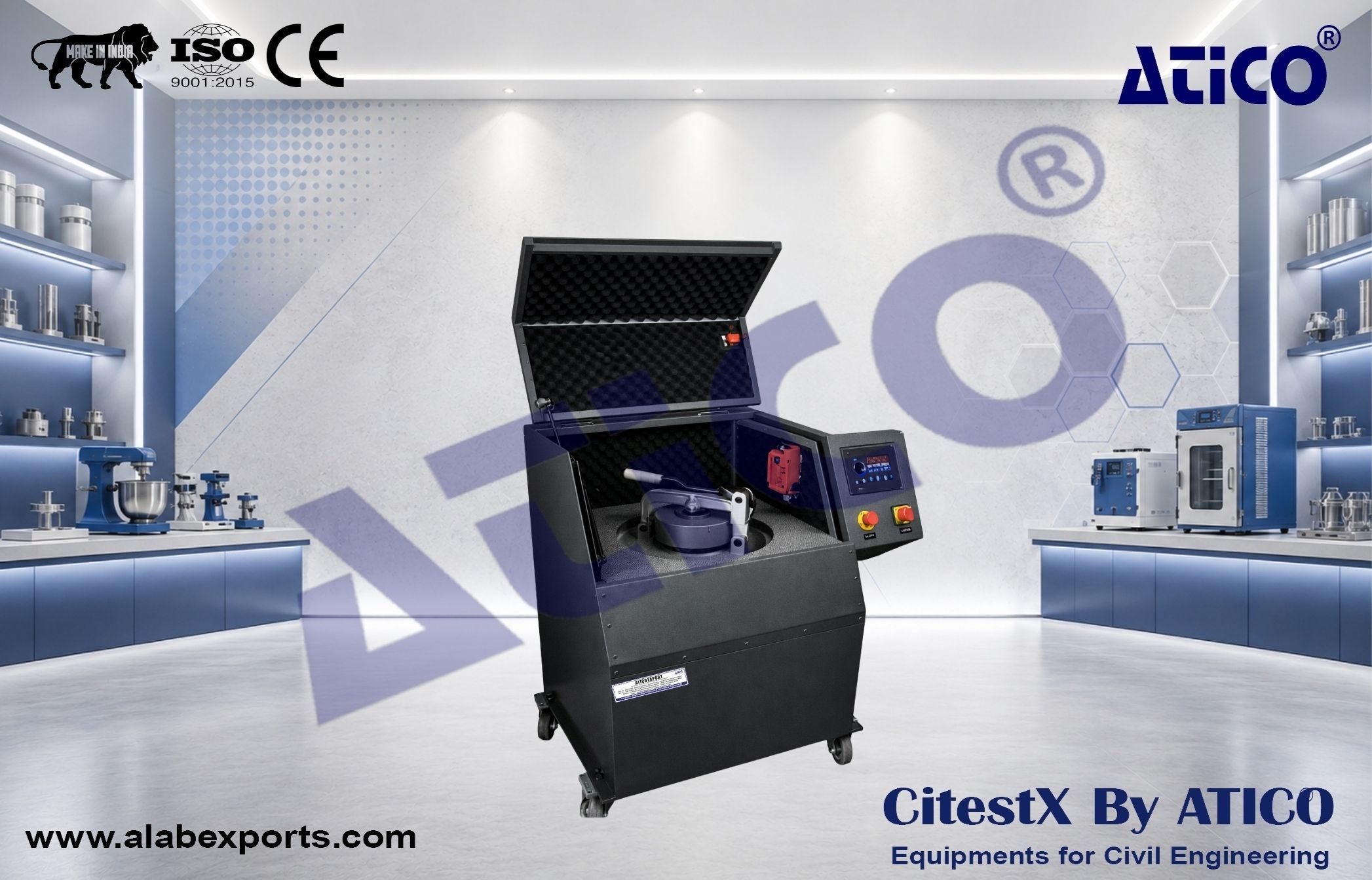
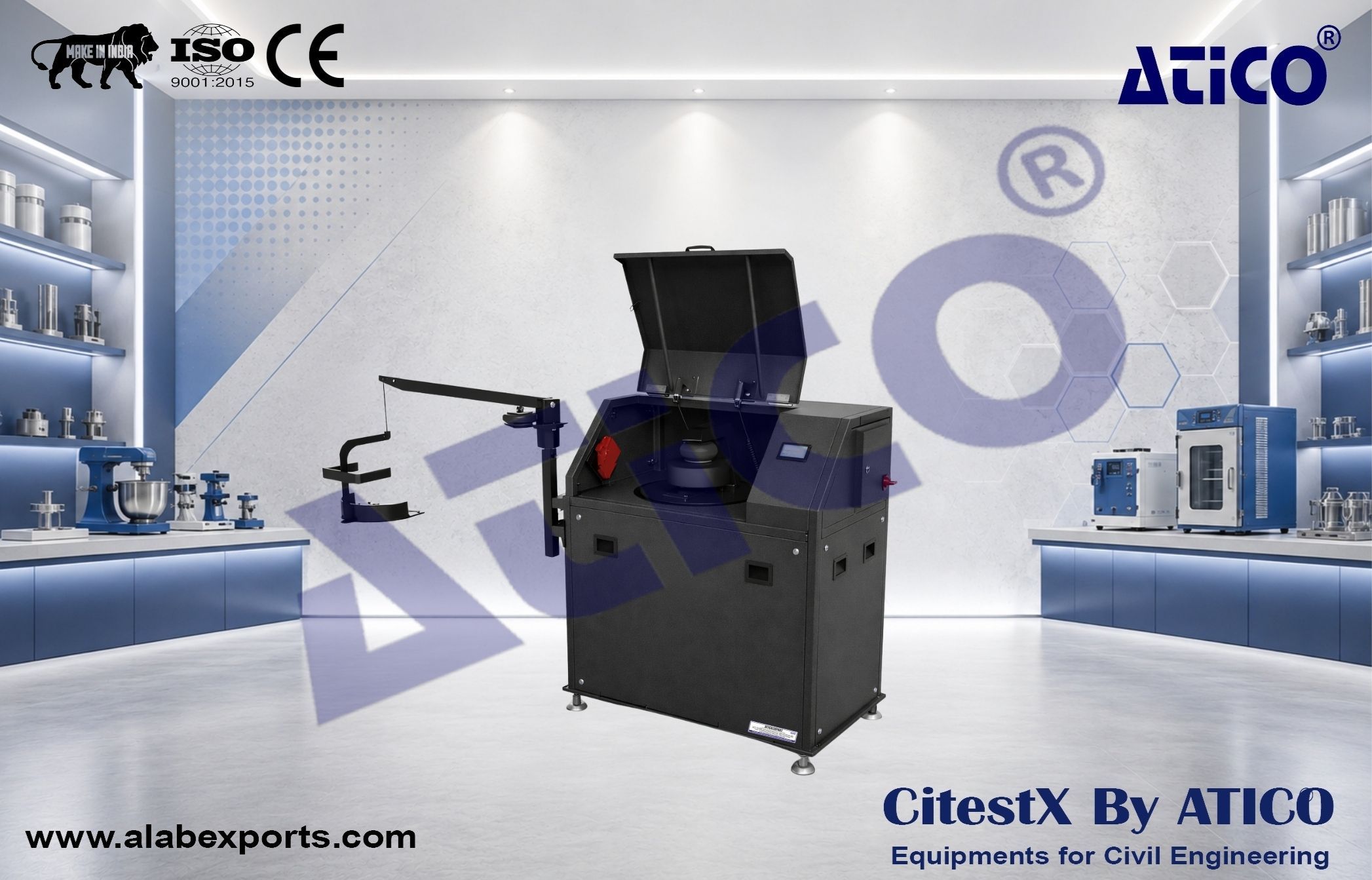
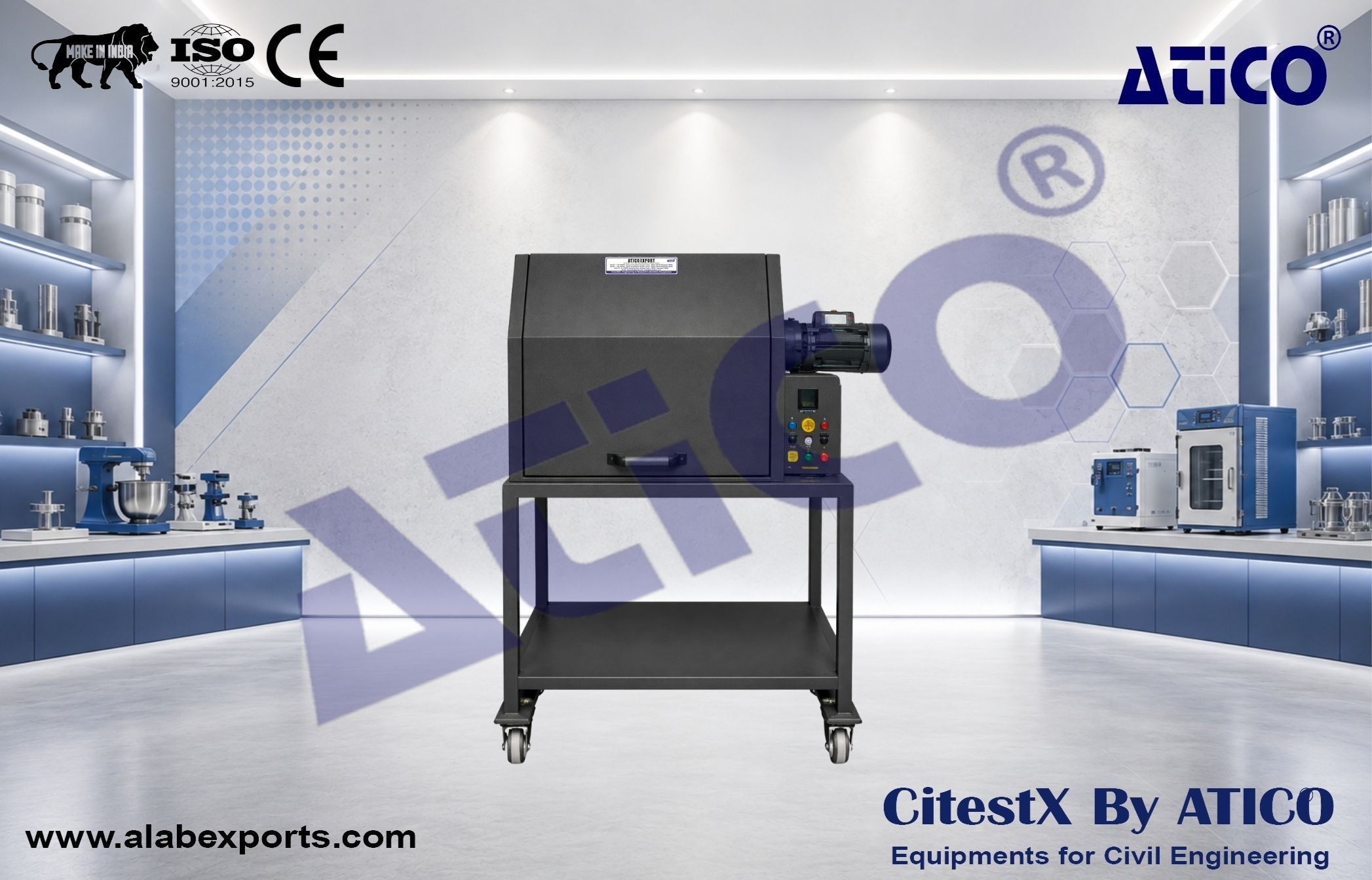
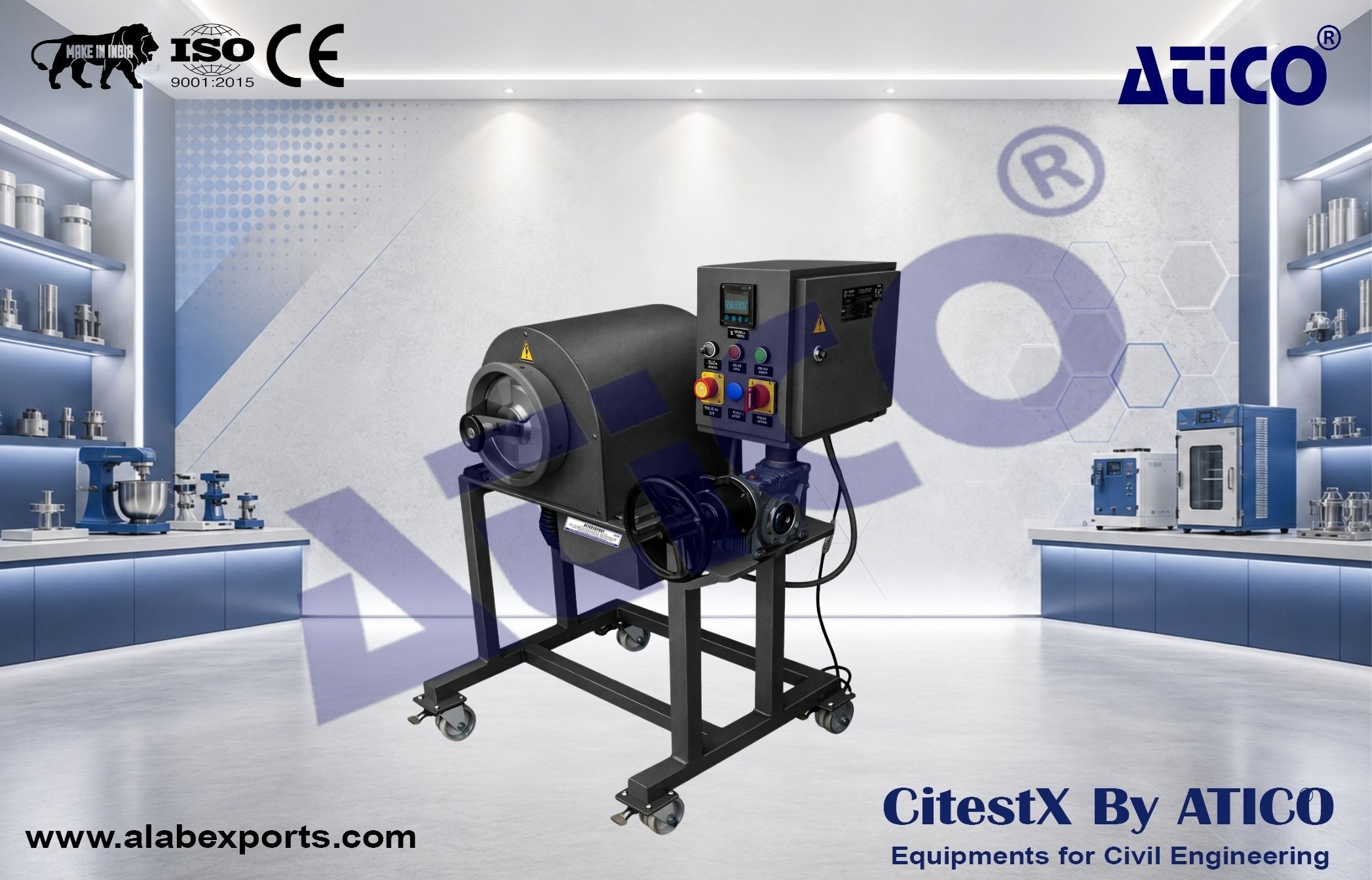
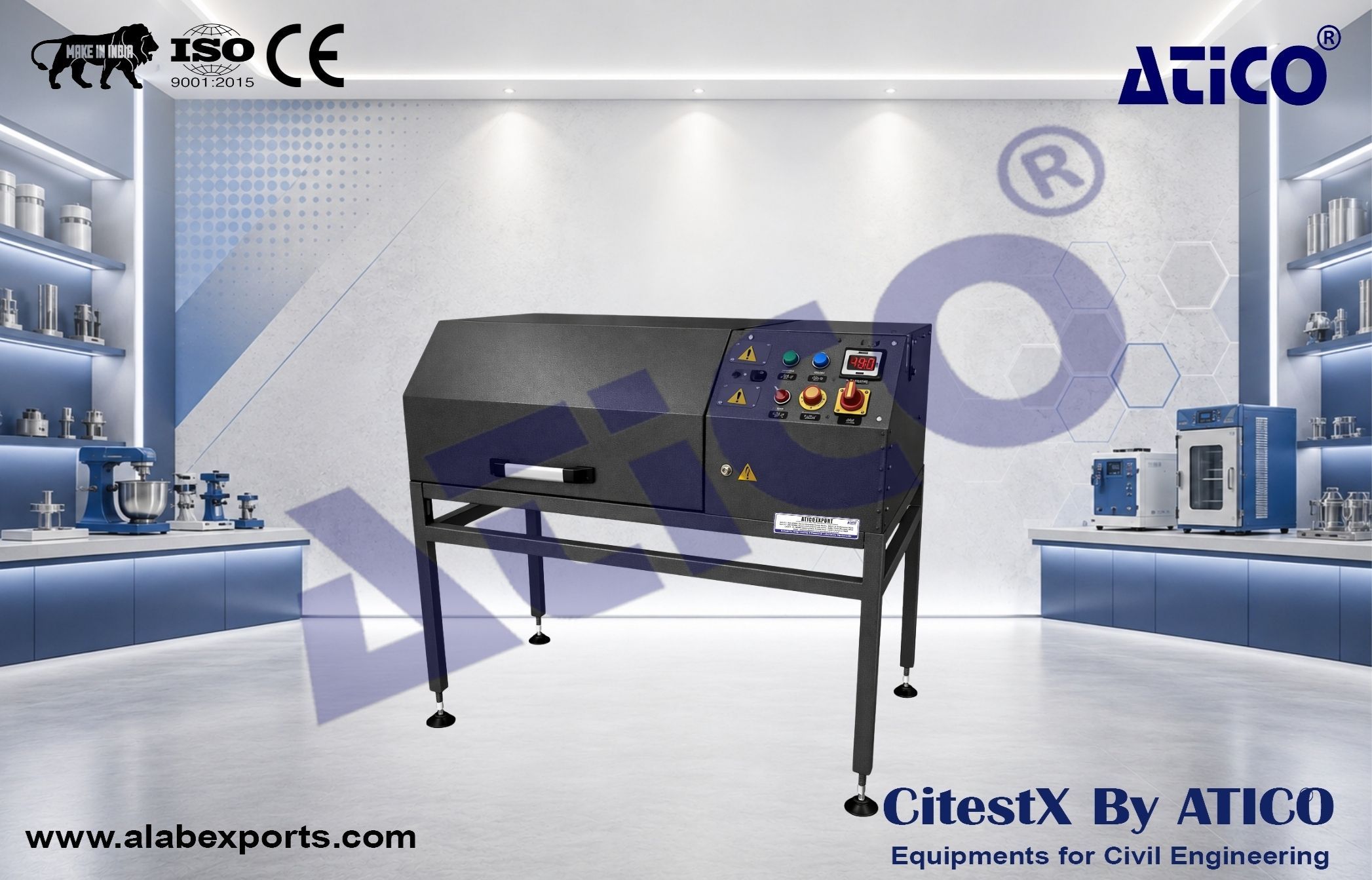
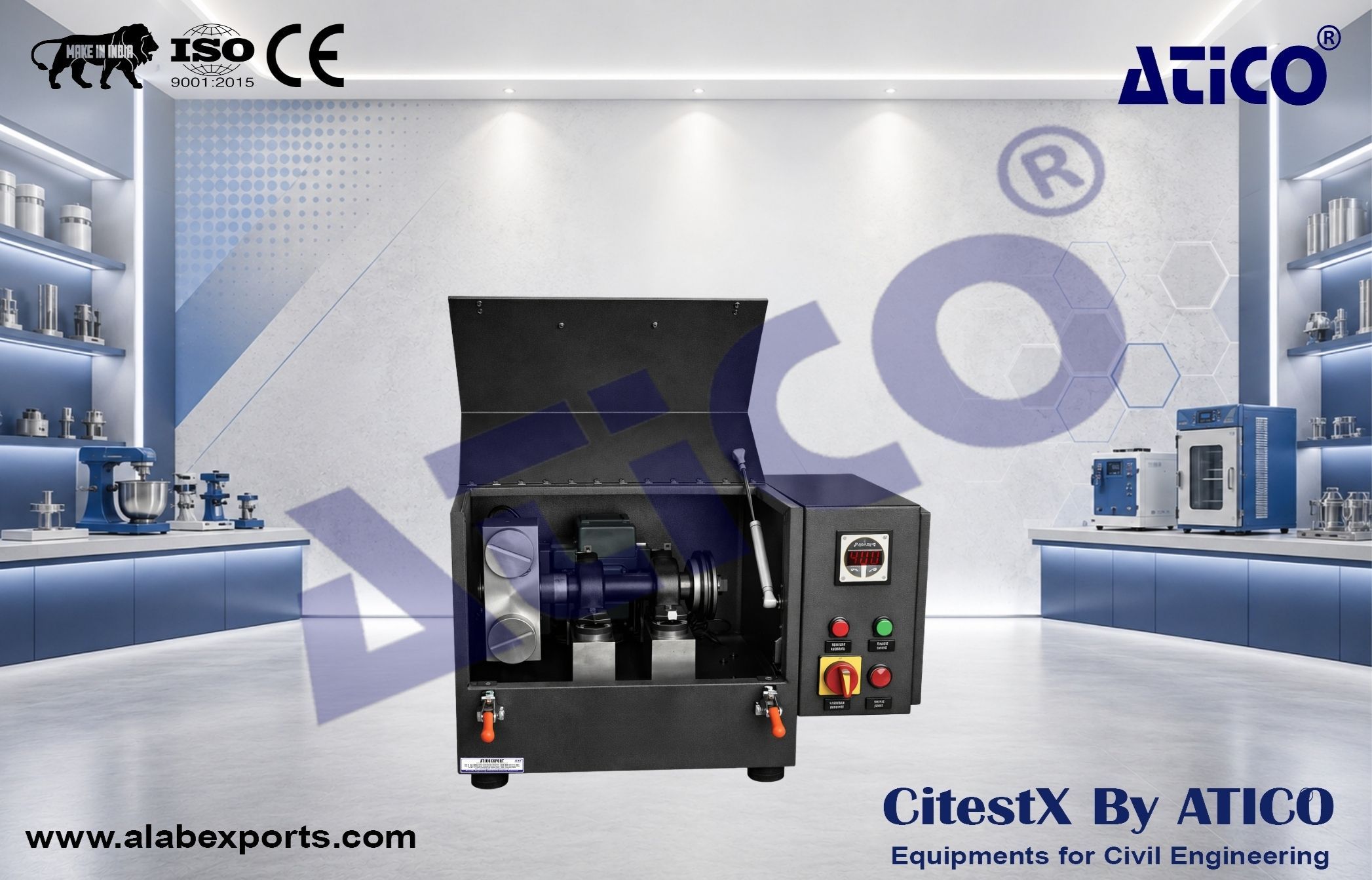
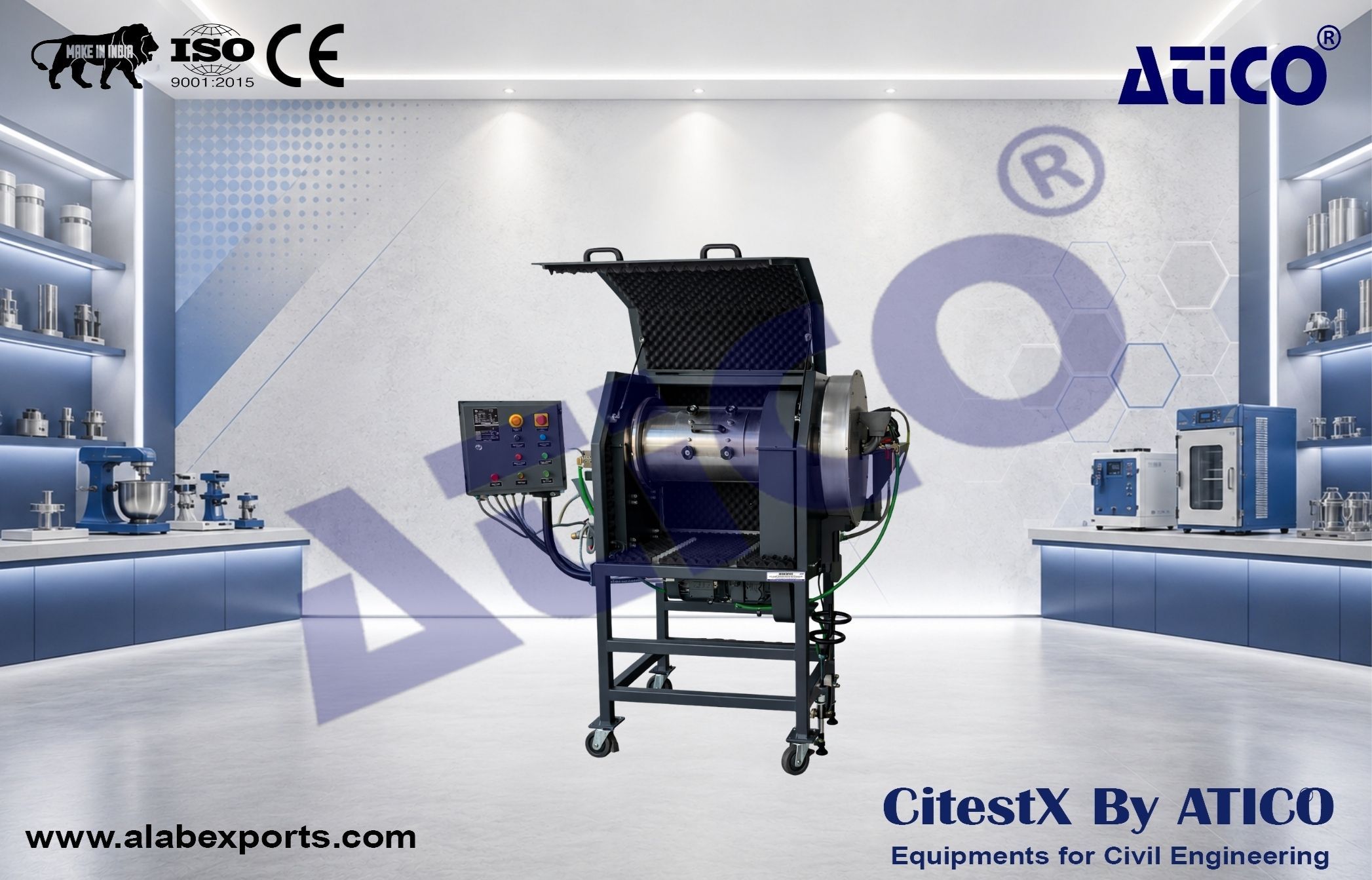
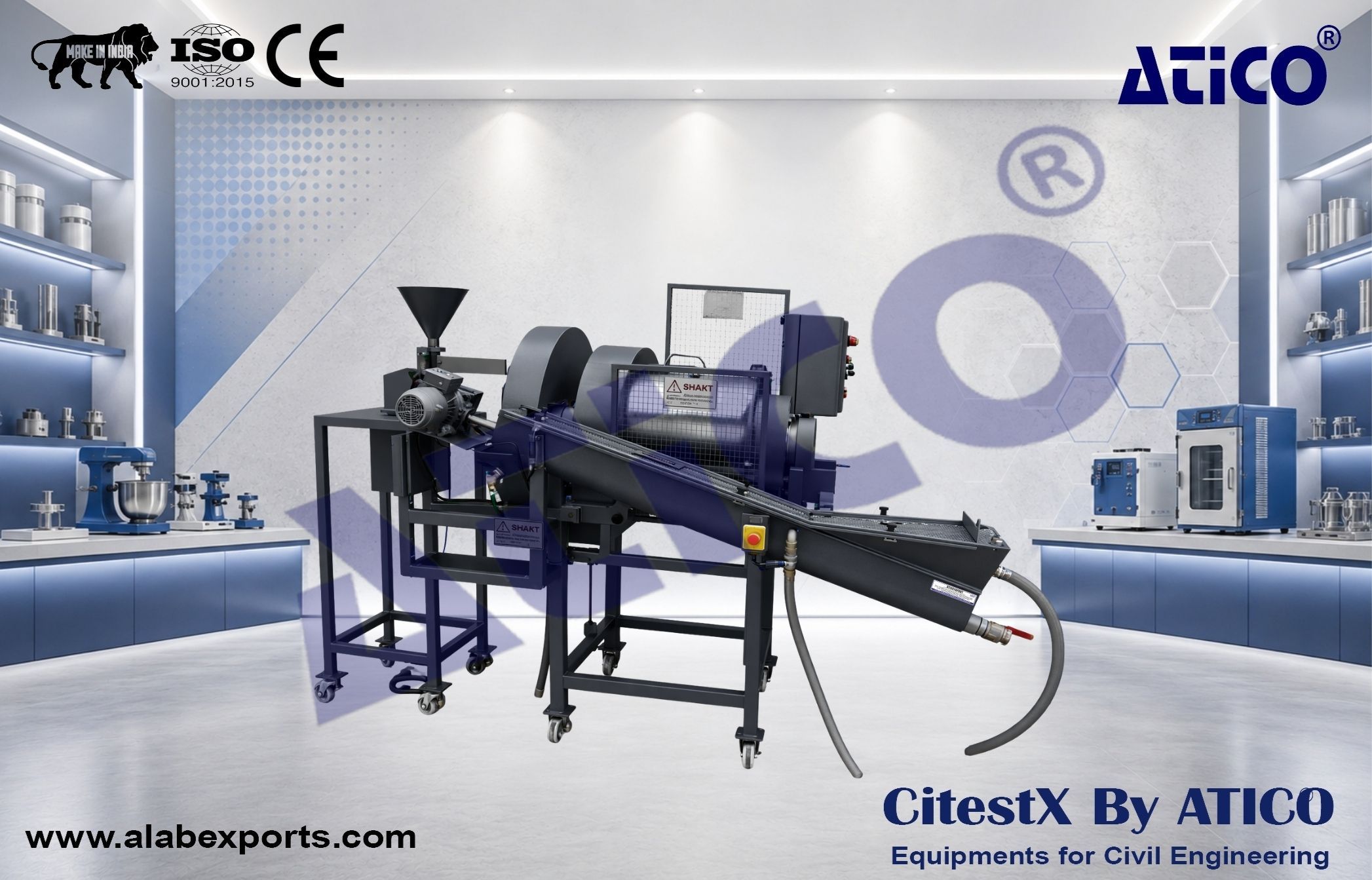
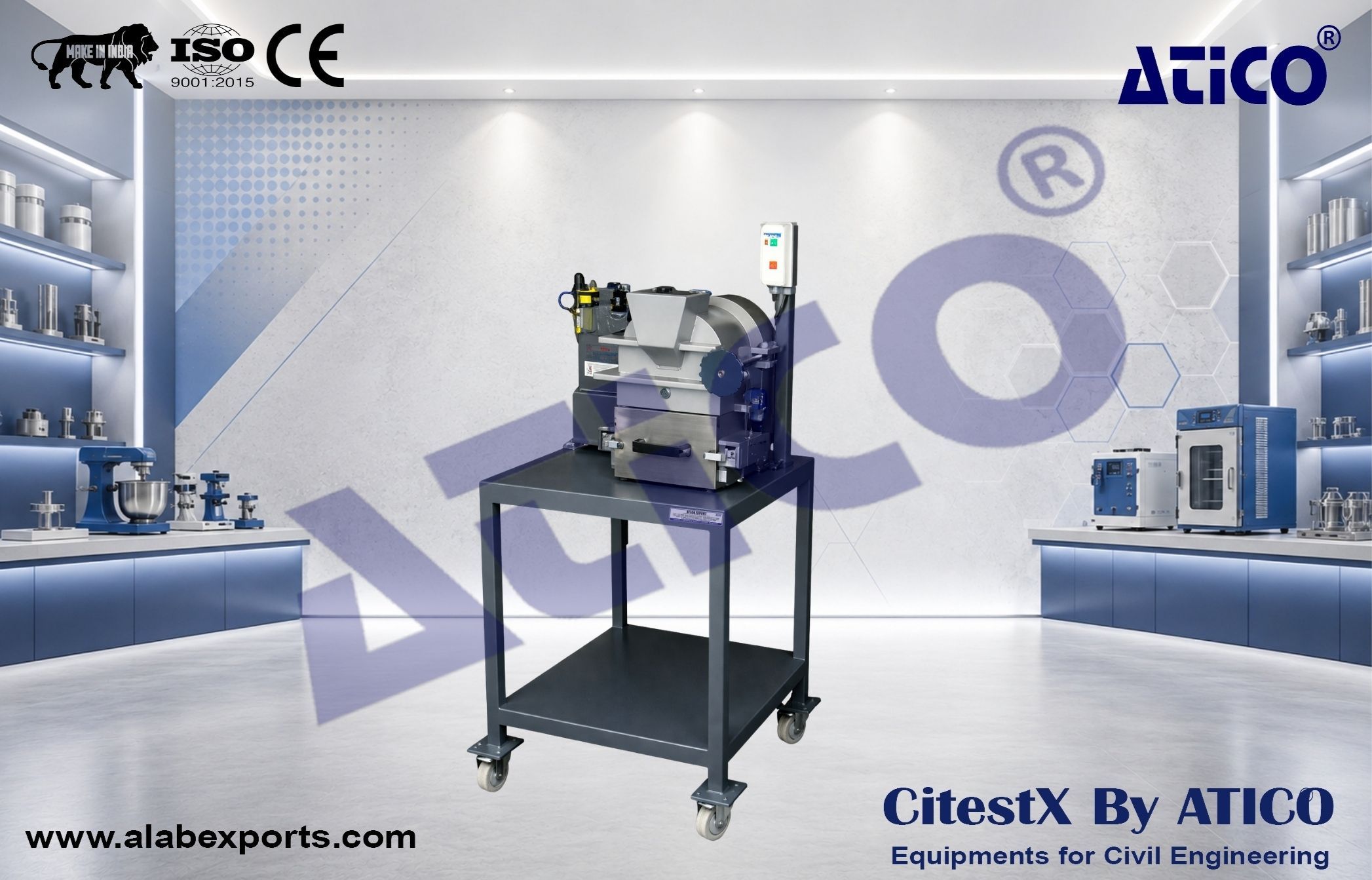
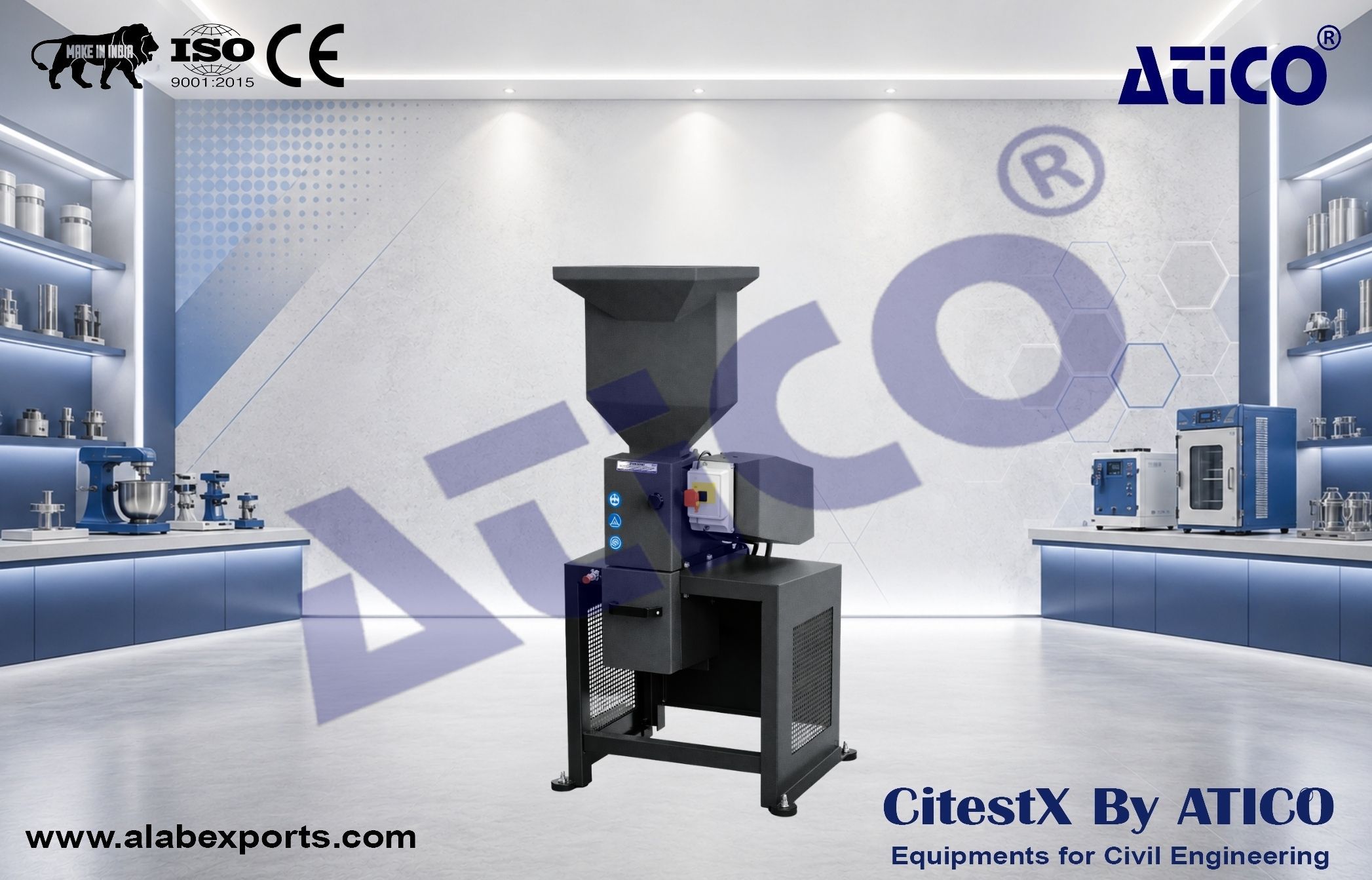
+91 98967 93832Hammer mills are used for crushing, pulverizing and deagglomeration of medium-hard, hard, brittle, tough and fibrous samples.
The Hammer Mill accepts large feed sizes up to 100 mm which can be reduced to less than 0.8 mm, depending on the sample properties.
User Convenience Combined with Maximum Safety
Easy cleaning of the rotor and the hammers thanks to :
To ensure a long service life of the machine, even when mostly used for tough crushing tasks, the following parts can be exchanged by the user :
A safety switch and the brake motor ensure that the unit comes to an immediate stop, e.g. if the door is opened unintentionally.
Defined Particle Size Thanks to Different Sieves
The achievable final fineness of the sample depends on the material's properties. Hard and brittle materials can be easily crushed in the Hammer mills down to particle sizes below 0.8 mm. The range of sieves with aperture sizes from 2 mm to 40 mm allows for perfect adaption to application requirements.
Tough, fibrous, or moist samples like plastic toys, wood or humid coal can be successfully crushed in the hammer mill when choosing a sieve with medium to large aperture size.
Hammer Mill Hoppers and Collecting Systems
The Hammer Mill is suitable for batchwise as well as continuous grinding and can be equipped with different hoppers and collecting systems:
Functional Principle
A hopper leads the sample material into the grinding chamber of the hammer mill.
The Hammer Mill is equipped with a horizontal rotating shaft on which 10 freely swinging hammers are mounted. These hammers crush the material at high speed inside the grinding chamber. With swing hammers, in contrast to fixed hammers, the risk of blocking the machine as well as wear is minimized.
The material is crushed by impact when hit by each hammer and while bouncing inside the grinding chamber. As soon as the sample is fine enough to pass through the sieve, it falls through the gravity outlet into a collecting vessel.
Applications :
Field of application :
Feed material :
Size reduction principle :
Material feed size :
Final fineness :
Batch size / feed quantity :
Speed at 50 Hz (60 Hz) :
Throughput :
Rotor peripheral speed :
Rotor diameter :
Types of rotors :
Dry grinding :
Wet grinding :
Cryogenic grinding :
Material of grinding tools :
Sieve sizes :
Dust extraction unit :
Process line version :
Collector capacity :
Drive :
Drive power :
Electrical supply data :
Power connection :
Protection code :
W x H x D closed :
Net weight :
Standards :