
Loading product…
Loading product…
Need Help?
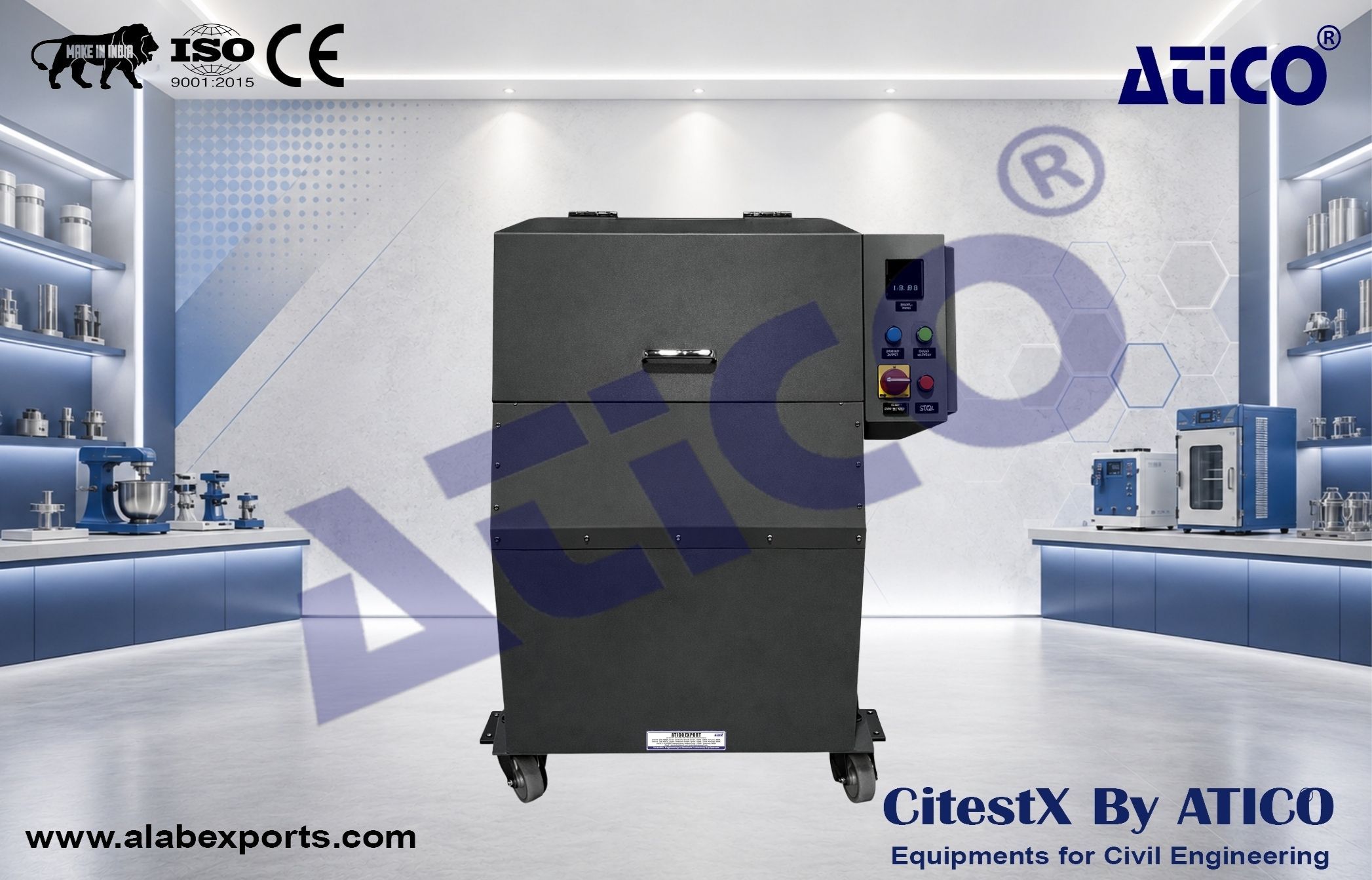
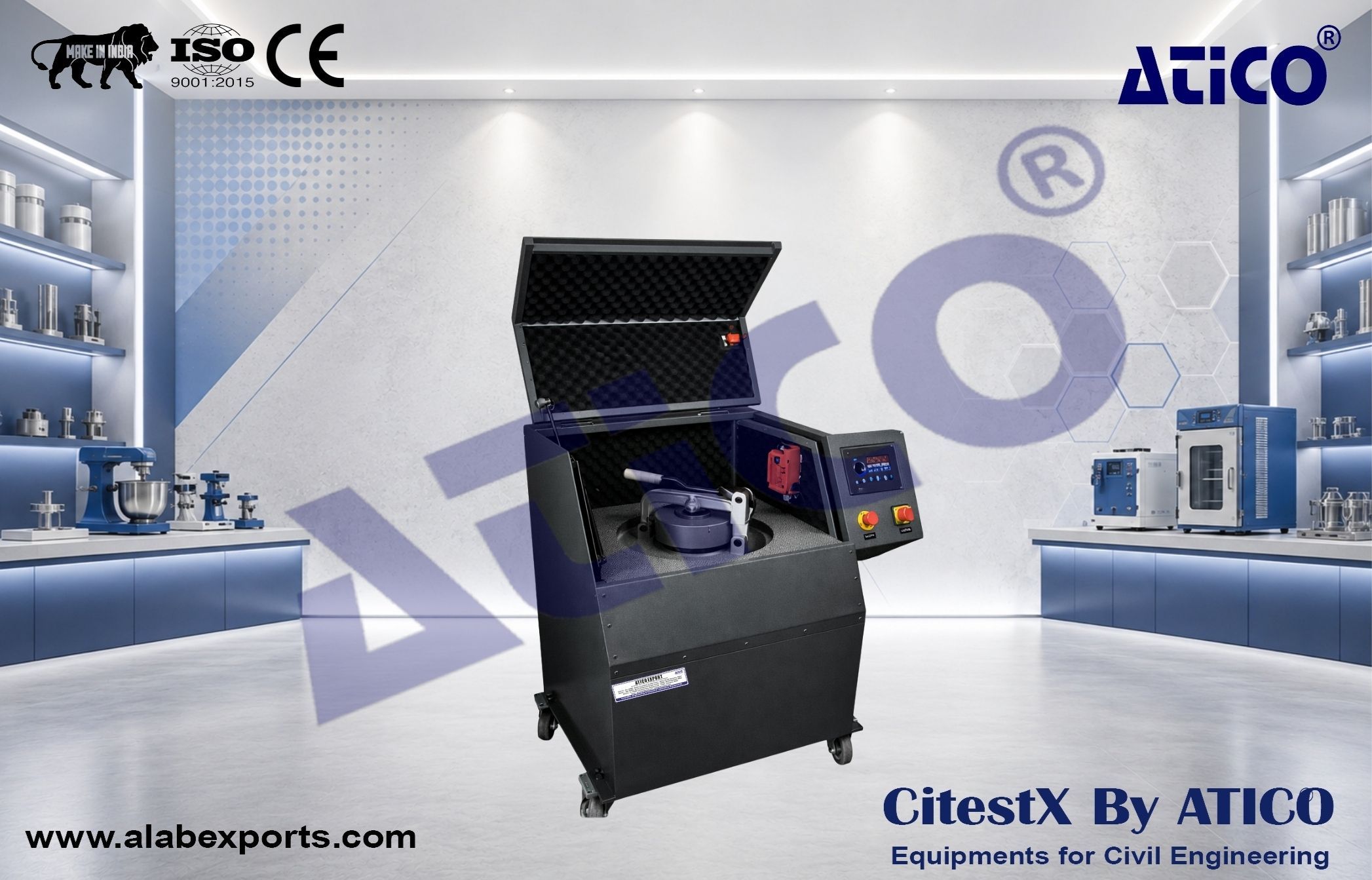
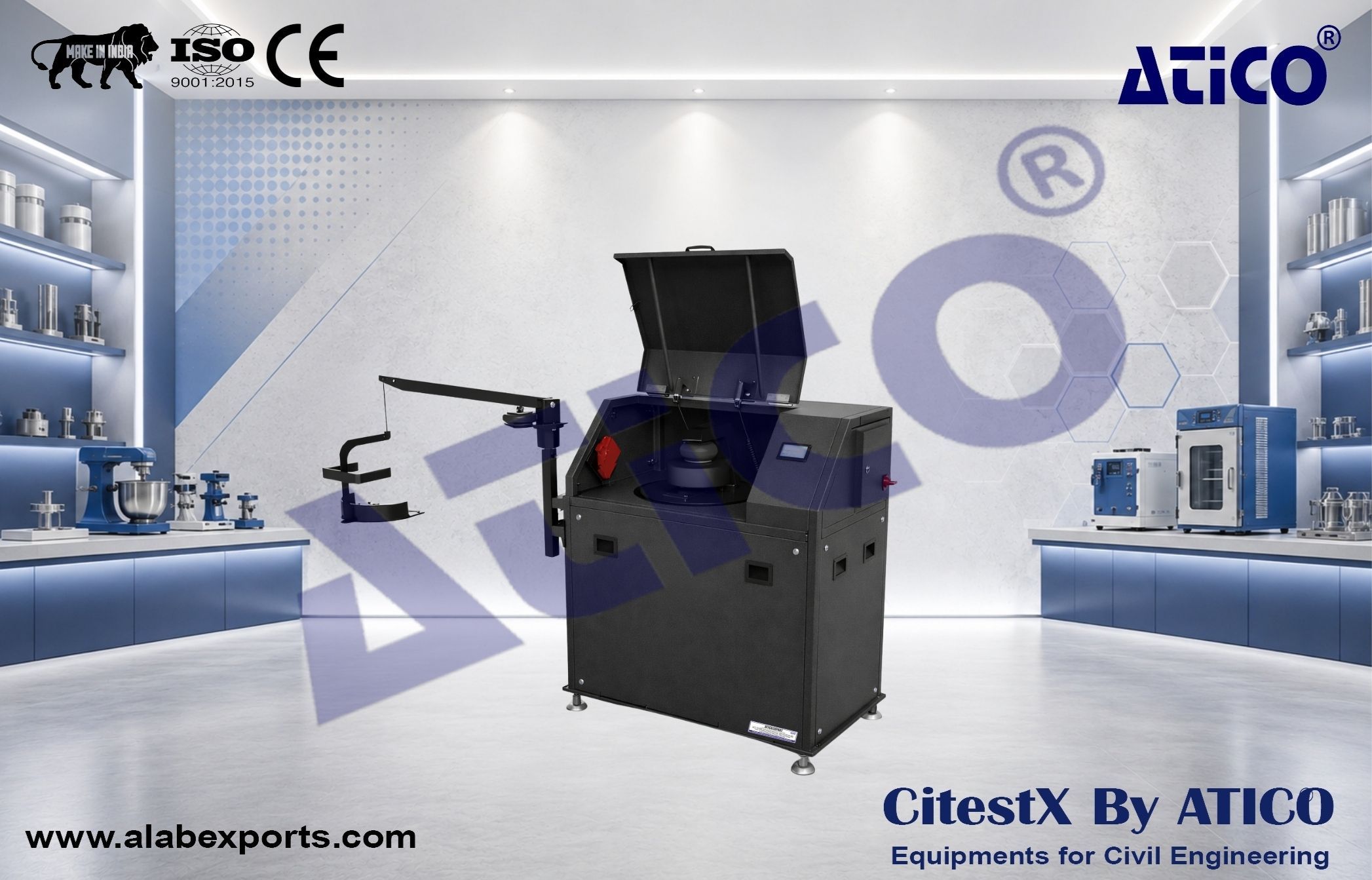
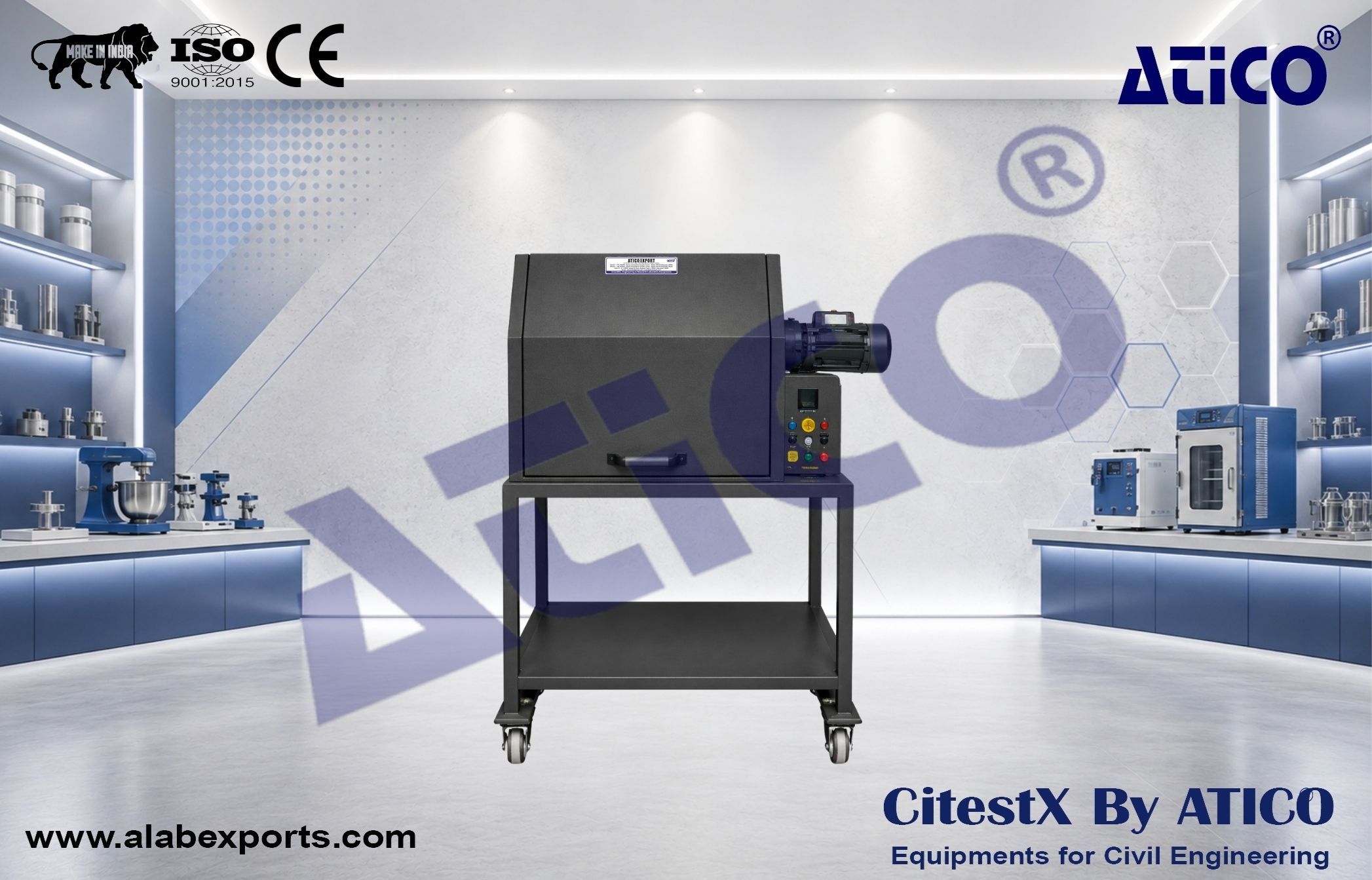
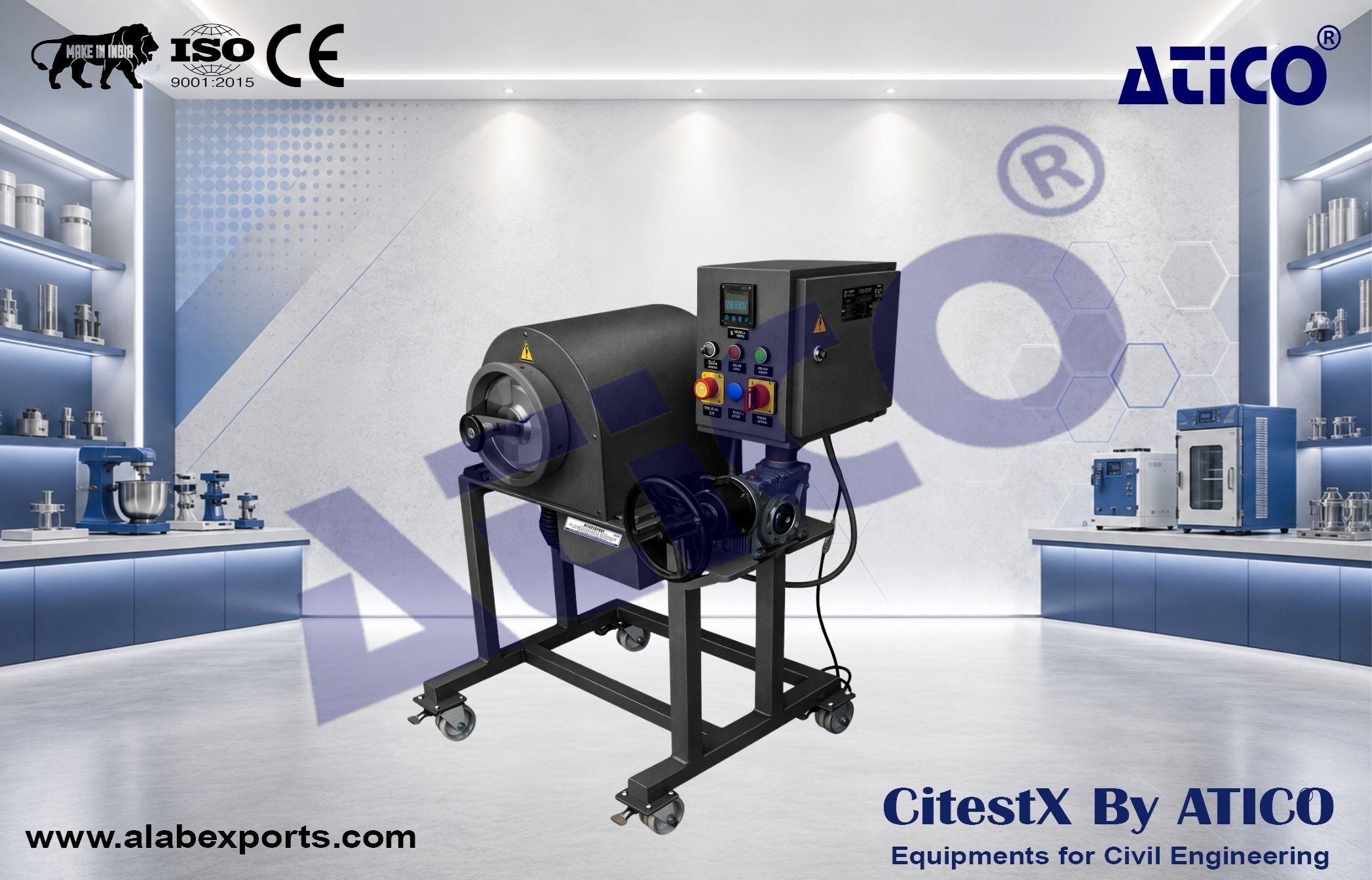
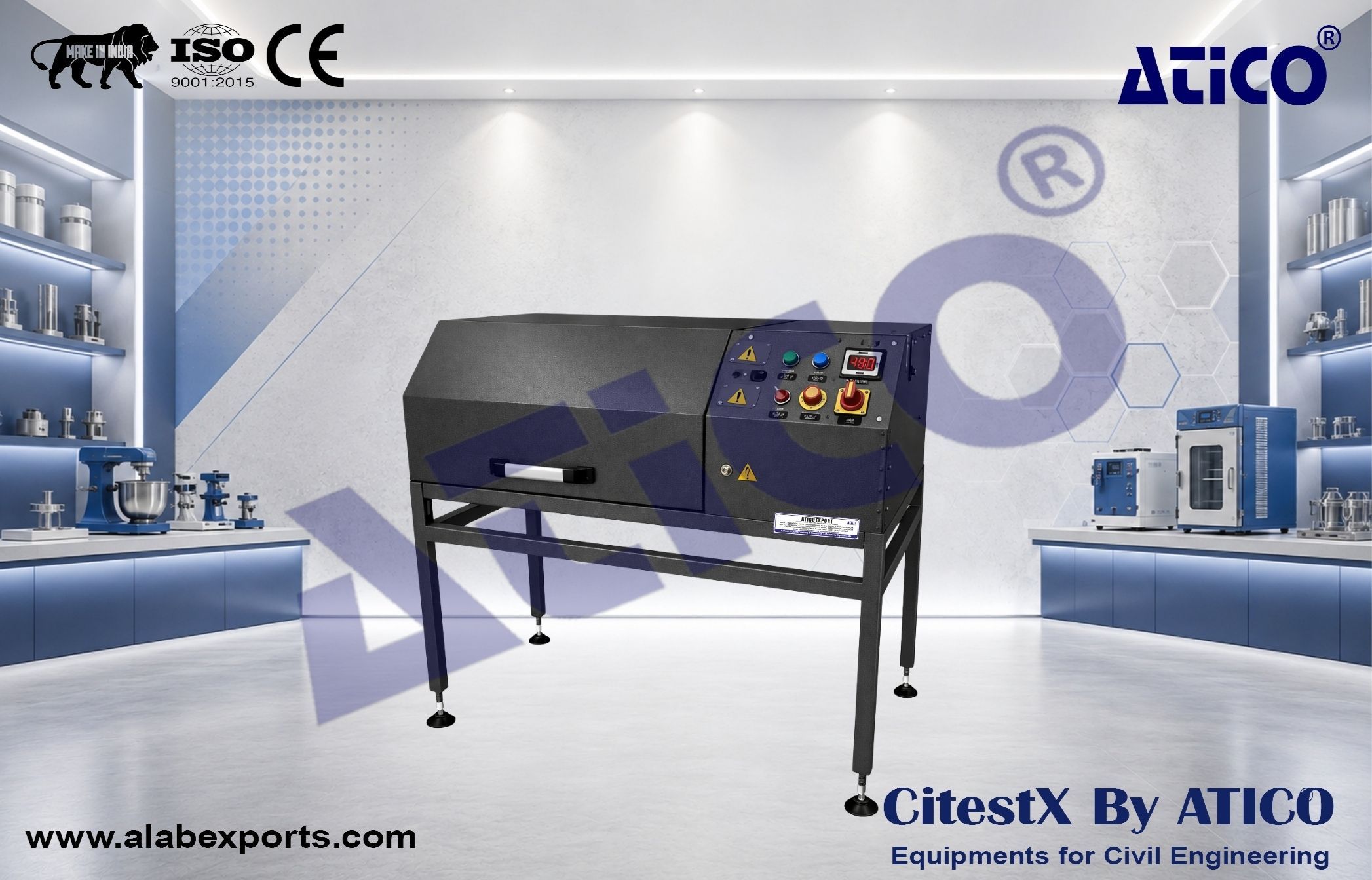
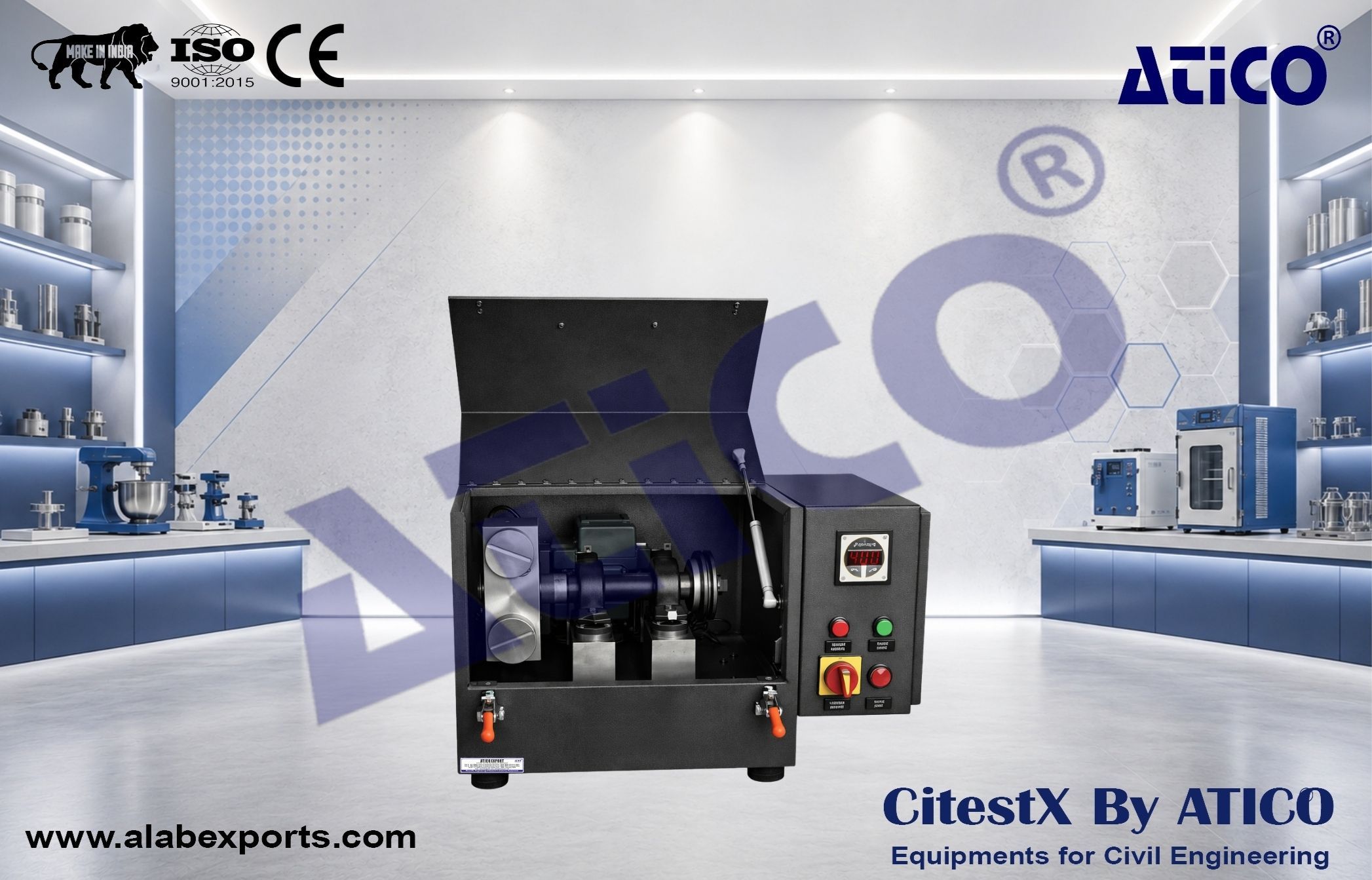
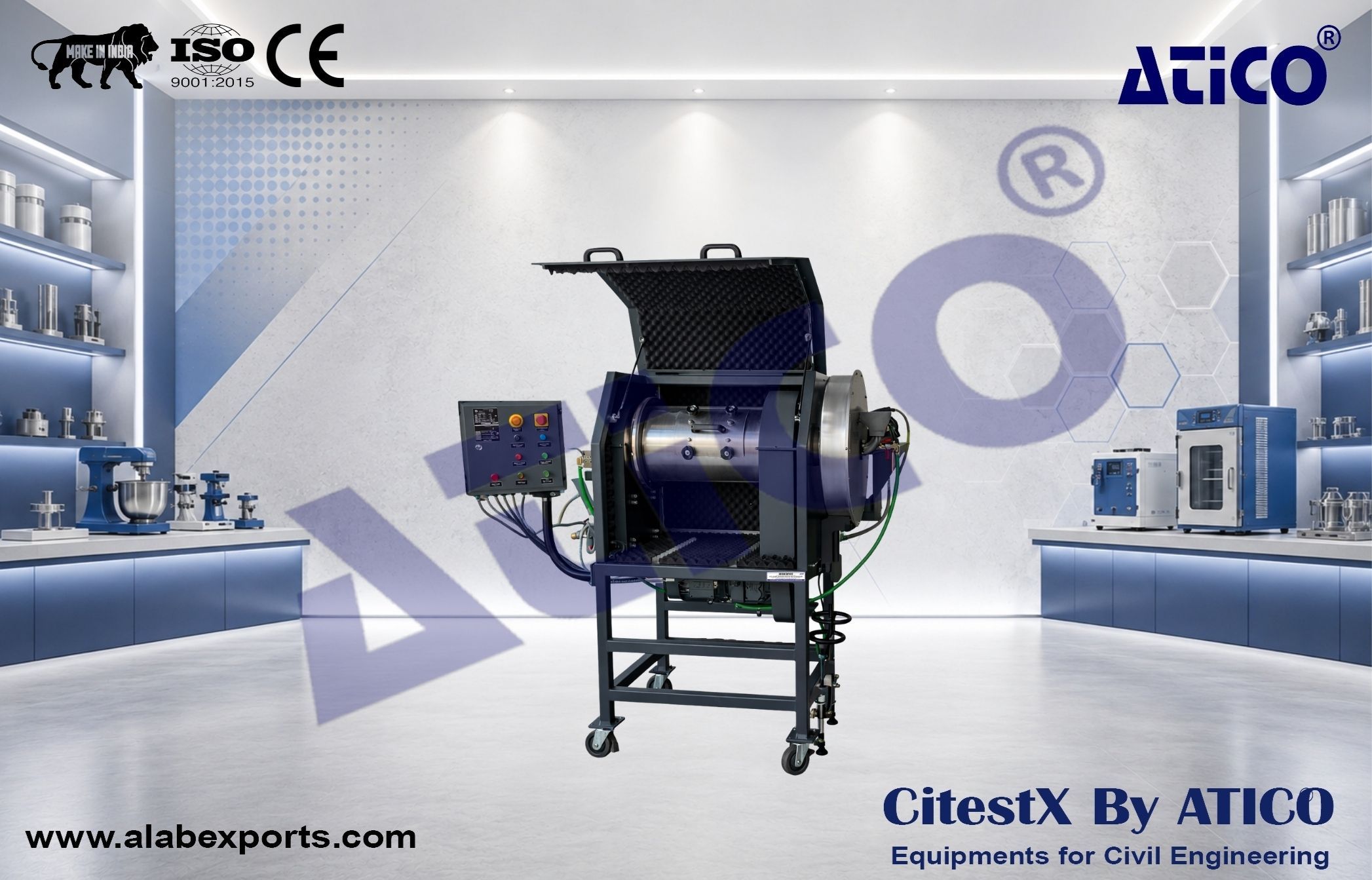
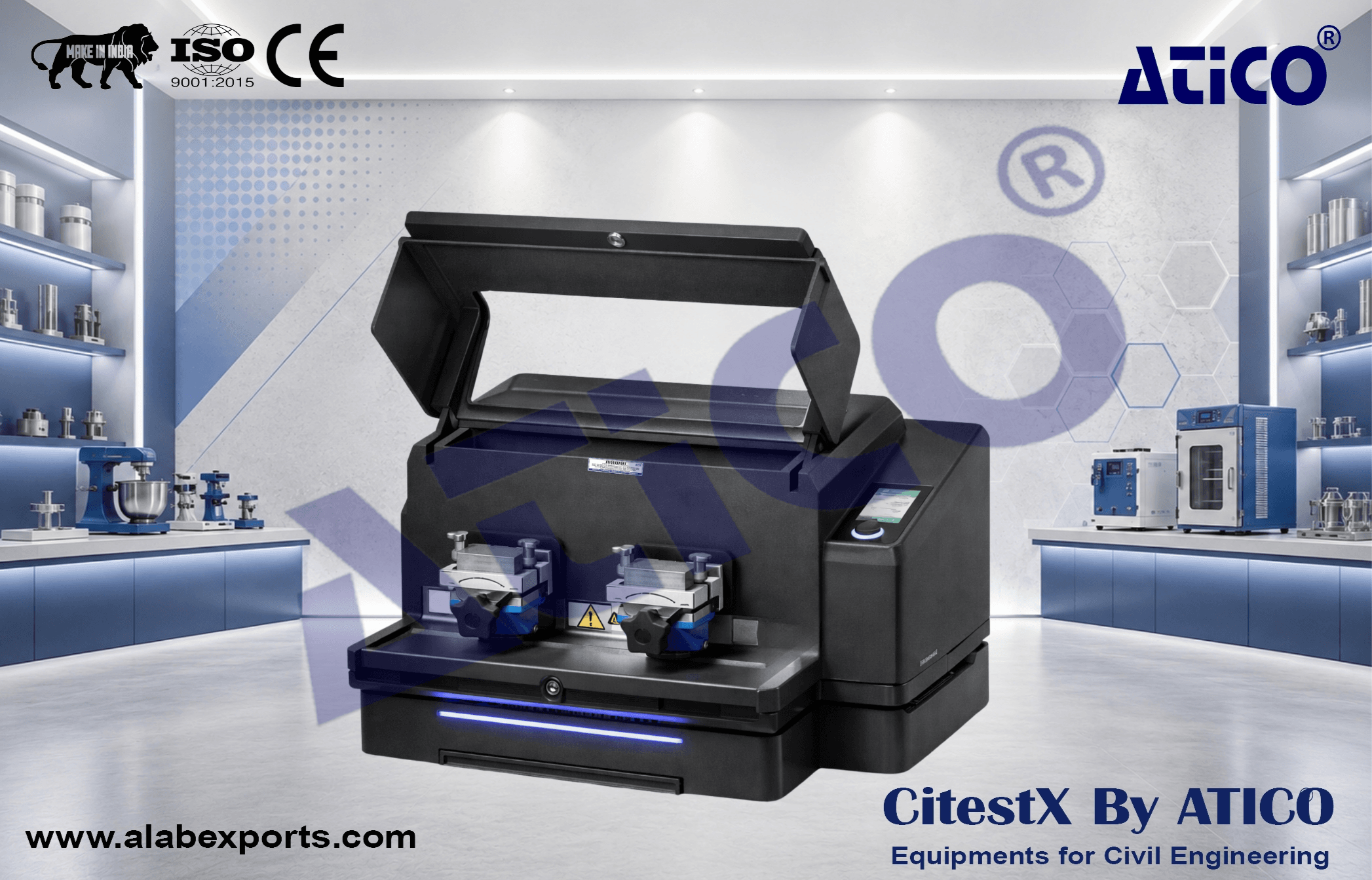
+91 98967 93832The Mixer Mill (Net weight – 63 kg) control is a high energy laboratory ball mill that can be used for dry, wet and cryogenic grinding with a frequency of up to 30 Hz. It is the first mixer mill in the market that allows to monitor and control the temperature of a grinding process.
The temperature area covers a range from -100 to 100 °C. For maximum flexibility, the mill can be operated with various thermal fluids, enabling the use of different tempering devices for cooling or heating. If liquid nitrogen is chosen for cooling, the mill needs to be equipped with the optionally available extension device cryoPad. The innovative cryoPad technology allows to select and control a specific cooling temperature in the range from - 100 to 0 °C for the grinding process.
ADVANTAGES THROUGH DESIGN
TEMPERATURE MONITORING AND CONTROL
TEMPERATURE REGULATION BASED ON THERMAL PLATES
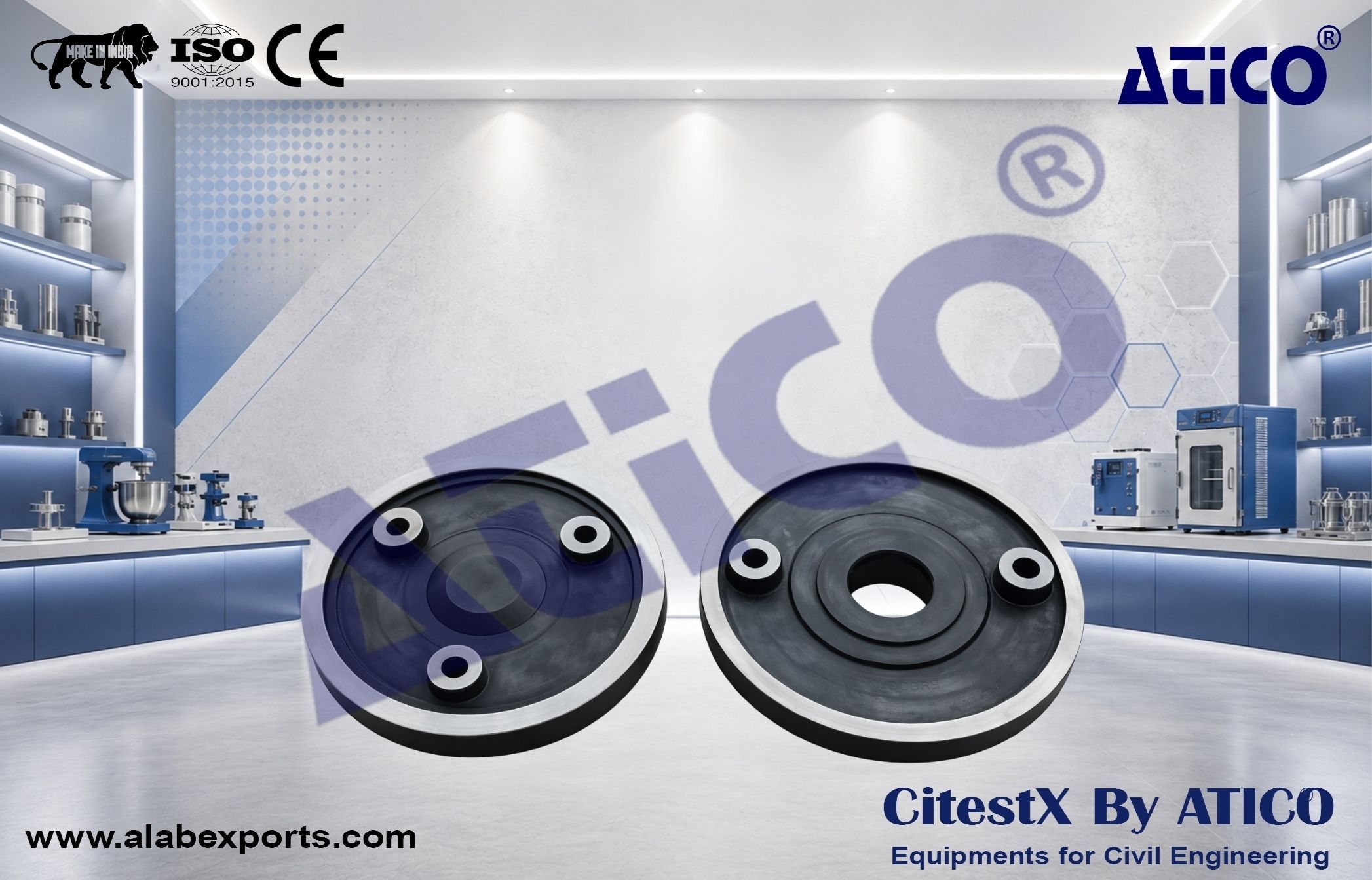
The cooling and heating of the sample material is realized with the patented concept of thermal plates, making sample cooling with, e. g., open liquid nitrogen baths or dry ice obsolete. For tempering, the grinding jars are simply placed on top of the thermal plates. When the grinding jars come in contact with the thermal plates, heat is effectively transferred from or to the jars via the tempering device. The patented hermetically sealed fluid design allows to operate the mill with different thermal fluids, ensuring a flexible and safe temperature regulation and requiring only minimal effort for the user. Depending on the operational setup that is built up, the temperature of the thermal plates can be set in the range from - 100 to + 100 °C.
FUNCTIONAL PRINCIPLE
The grinding jars of the Mixer Mill (Net weight – 63 kg) control perform radial oscillations in a horizontal position. The inertia of the grinding balls causes them to impact with high energy on the sample material at the rounded ends of the grinding jars and pulverize it. High energy milling is possible by operating at high frequencies up to 30 Hz. The movement of the grinding jars combined with the movement of the balls further causes grinding effects due to friction and additionally result in an effective mixing of the sample. The degree of mixing can be increased even further by using several smaller balls.
Applications :
Field of application :
Feed material :
Size reduction principle :
Material feed size :
Final fineness :
Batch size / feed quantity :
Grinding chamber volume :
No. of grinding stations :
Vibrational frequency :
Setting of temperature setpoint :
Setting of sample cooling time :
Setting of grinding time :
Total grinding time :
Storable SOPs :
Number of storable cycle programs :
Typical mean grinding time :
Dry grinding :
Wet grinding :
Cryogenic grinding :
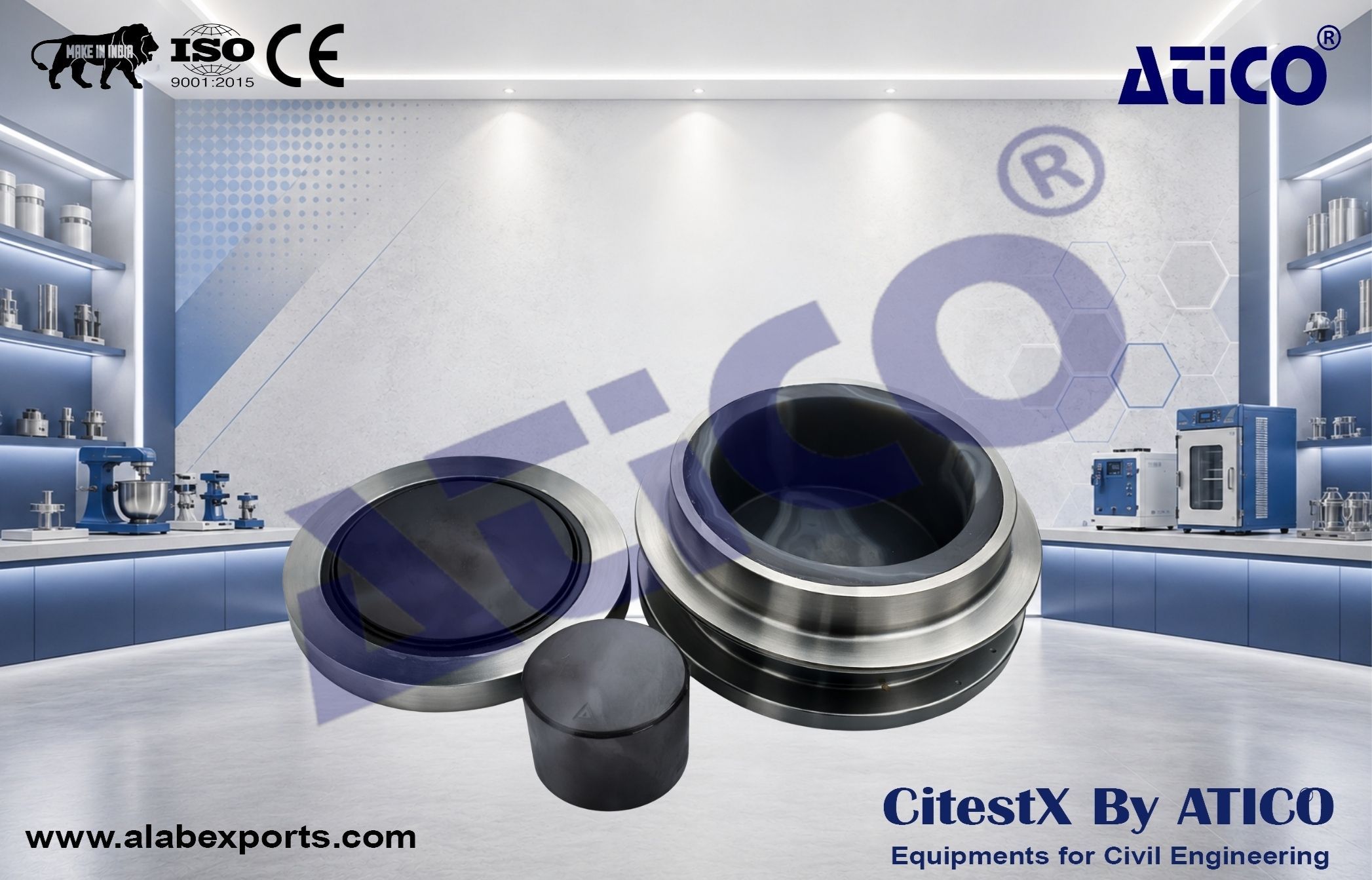
Type of grinding jars :
Material of grinding tools :
Grinding jar sizes :
Electrical supply data :
Power connection :
Protection code :
Power consumption :
W x H x D closed :
W x H x D closed with cryoPad :
Net weight :
Standards :
Connection thread size device input :
Connection thread size tubing set :
Permissible operating :
permissible pressure range of LN2 supply :
Permissible fluids :
Thermal applications :
temperature range of fluids :
temperature range of cooling plates :