Loading product…
Loading product…
Need Help?
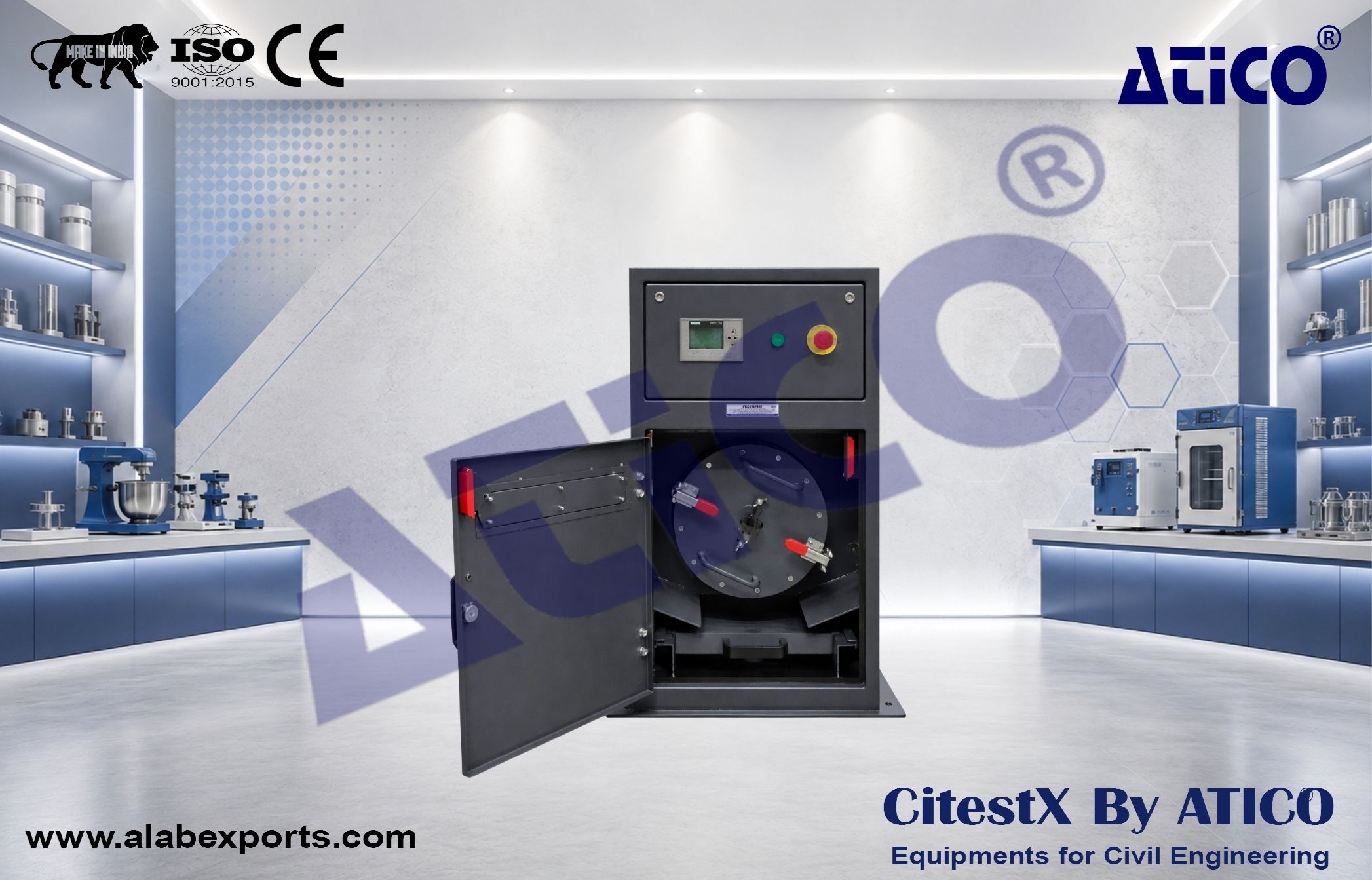
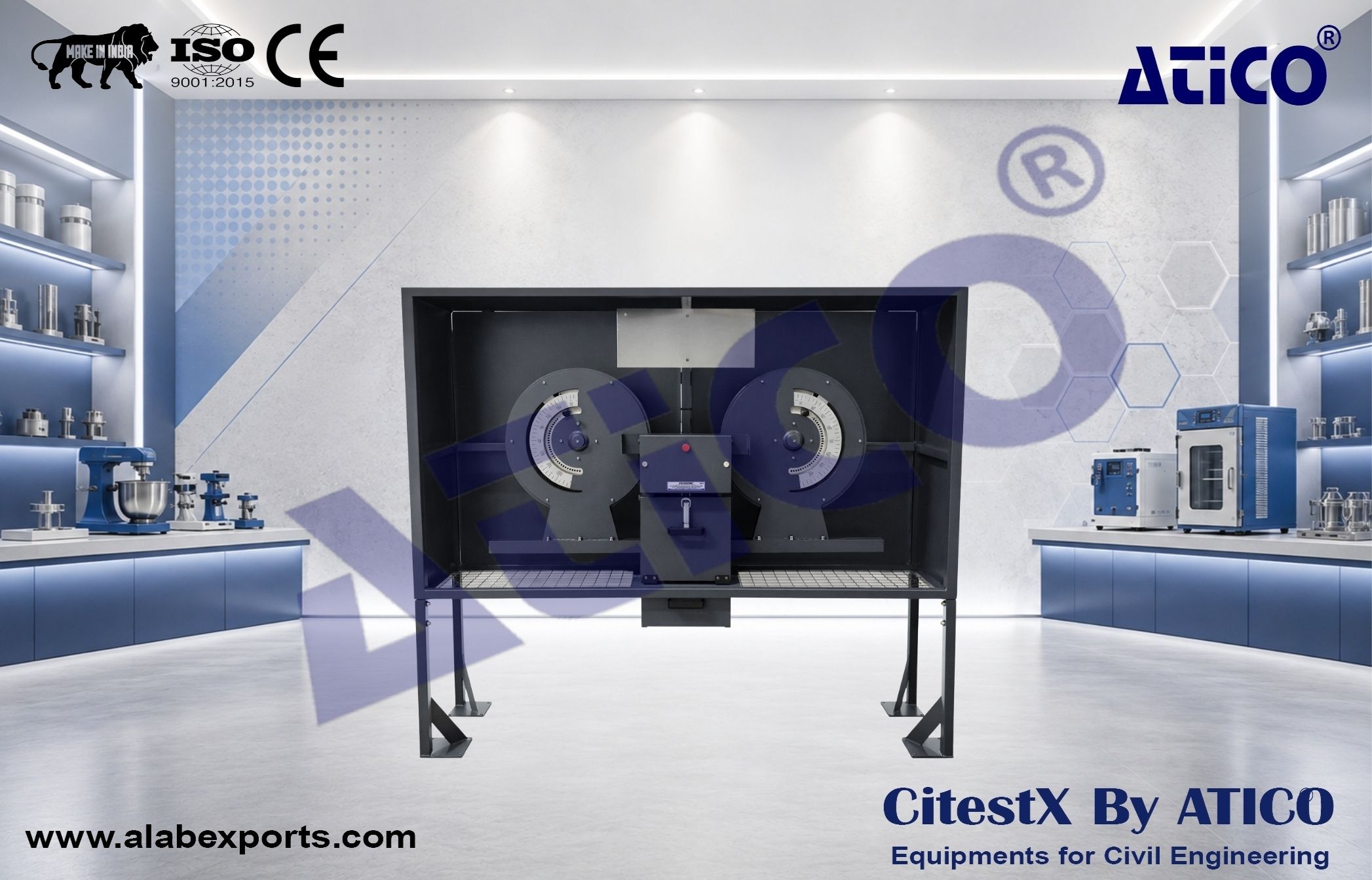
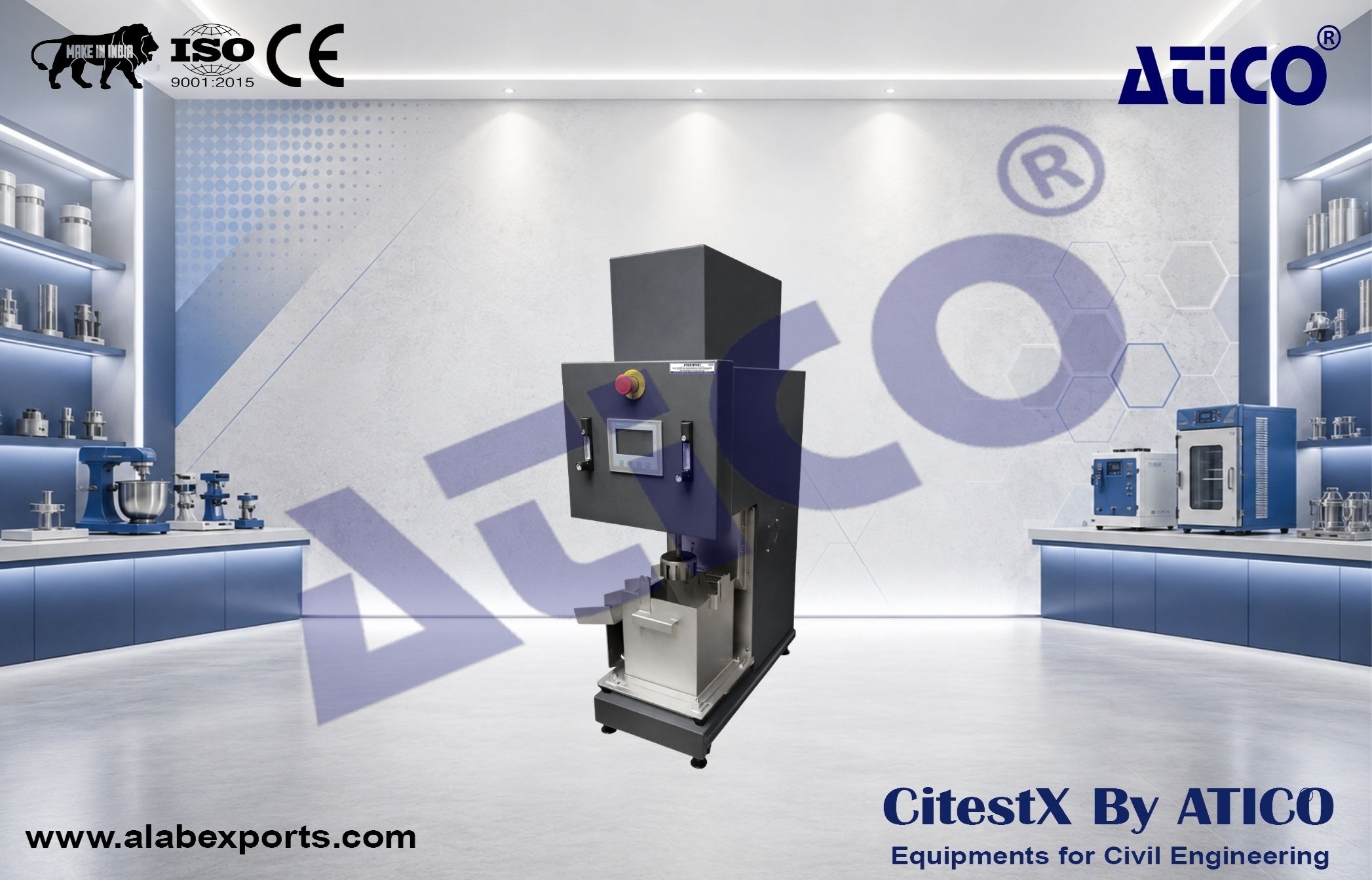
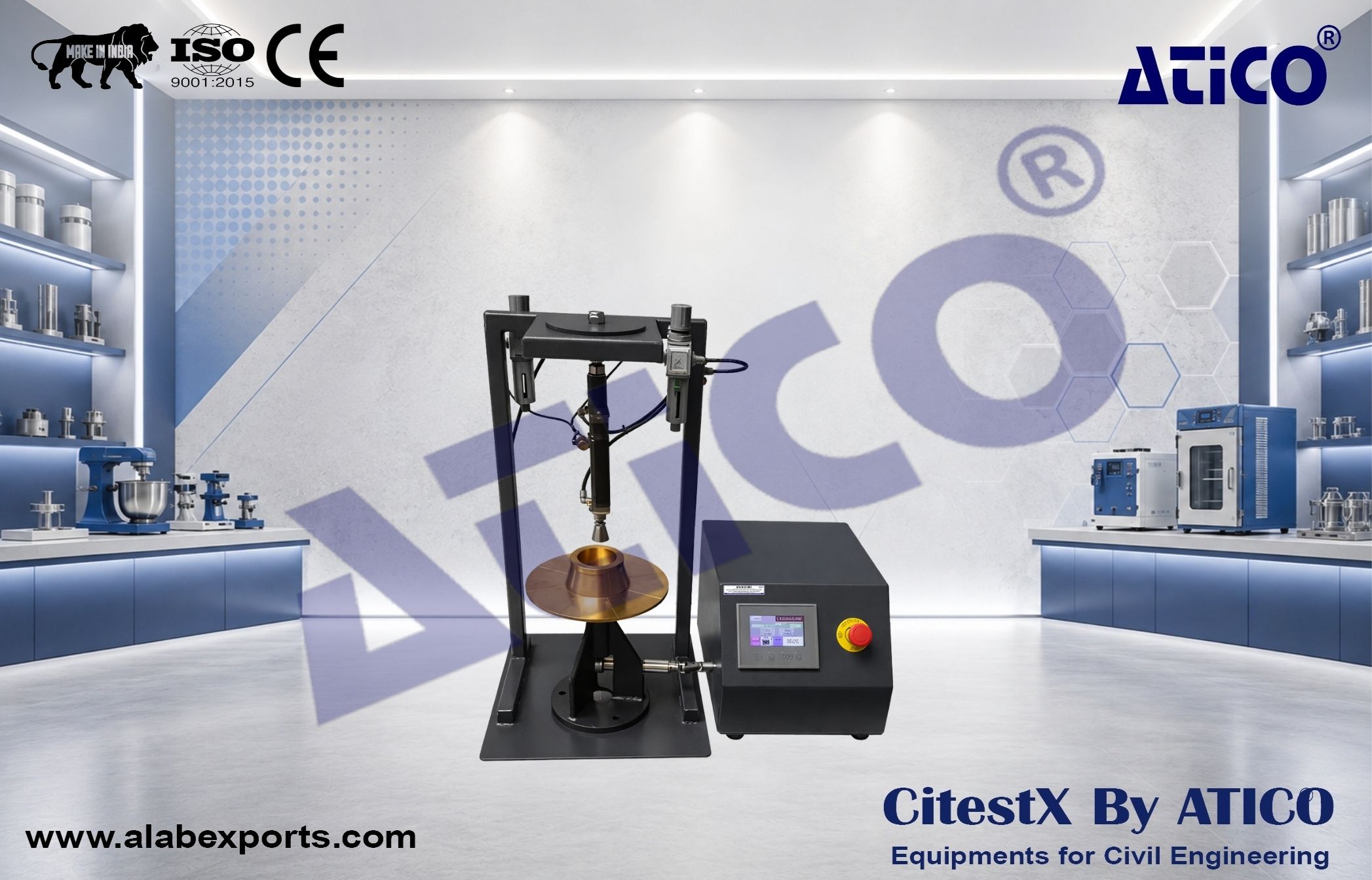
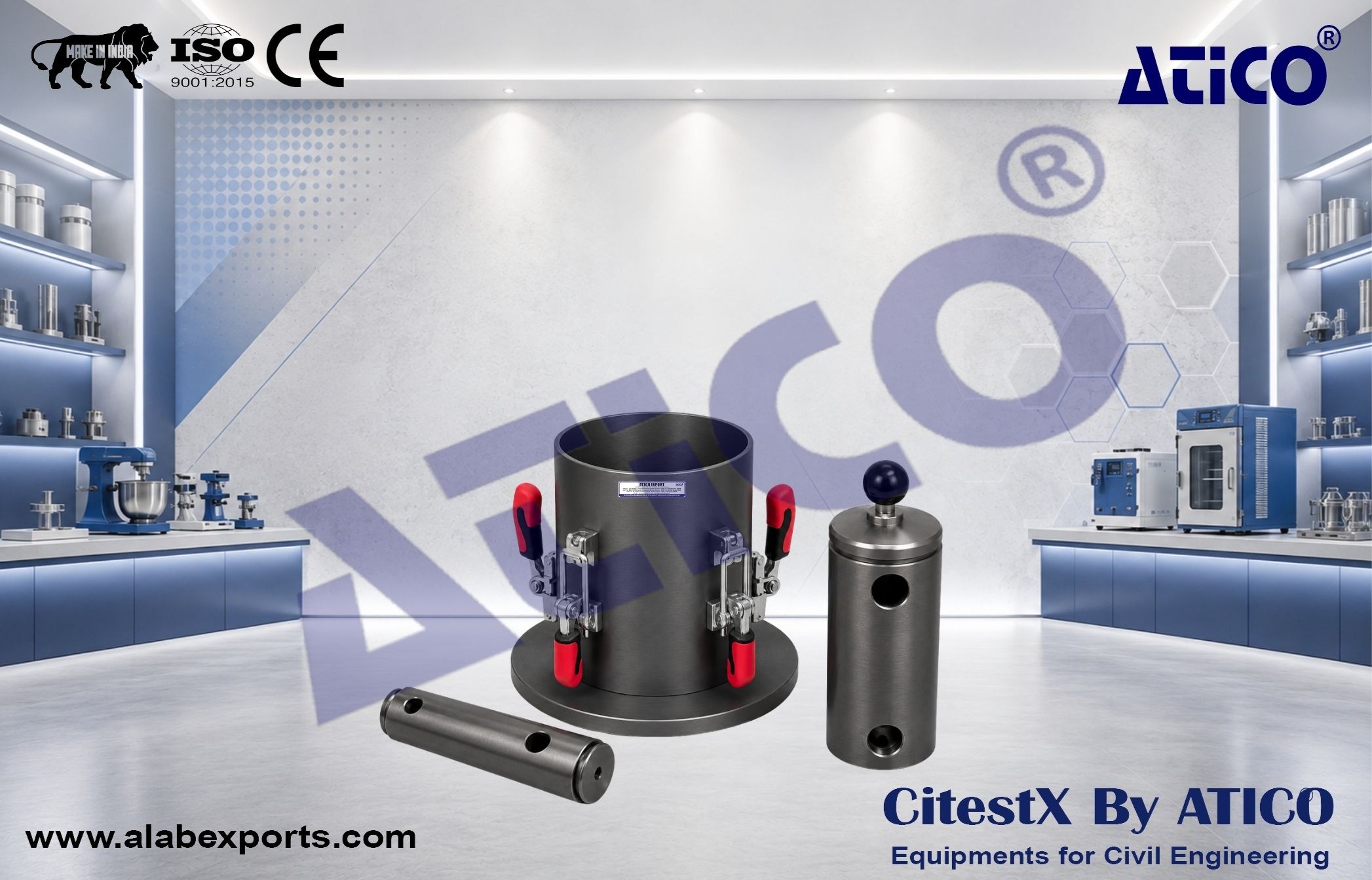
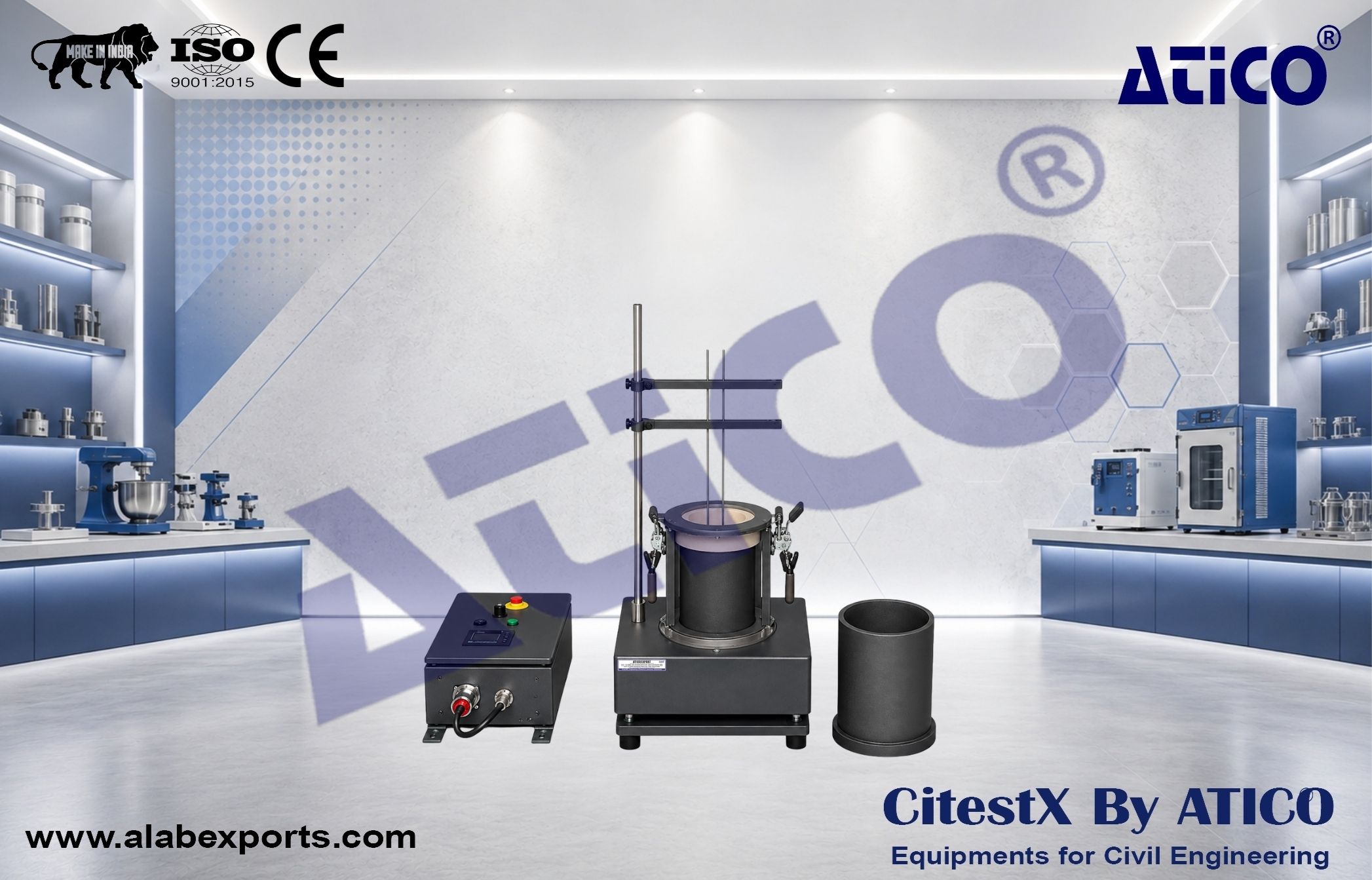
+91 98967 93832A penetration test is used to determine whether the Transportable Moisture Limit has been reached. The sample is placed in a cylinder with a weight placed on top and then vibrated. If the weight sinks, the sample has a low shear strength. The Flow Moisture Point is determined on the basis of the penetration depth of the weight.
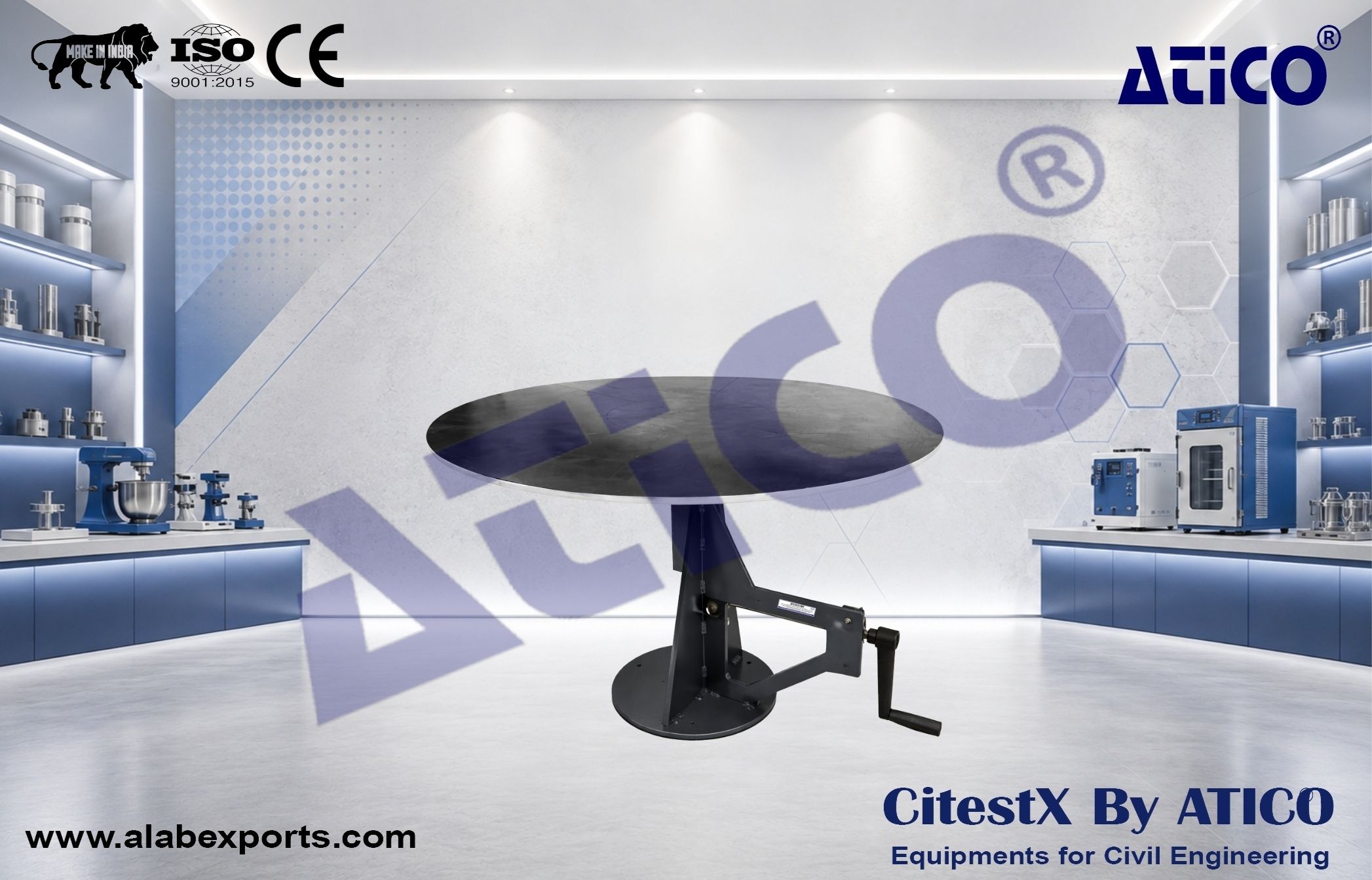
This test is an alternative to the Flow Table Test.
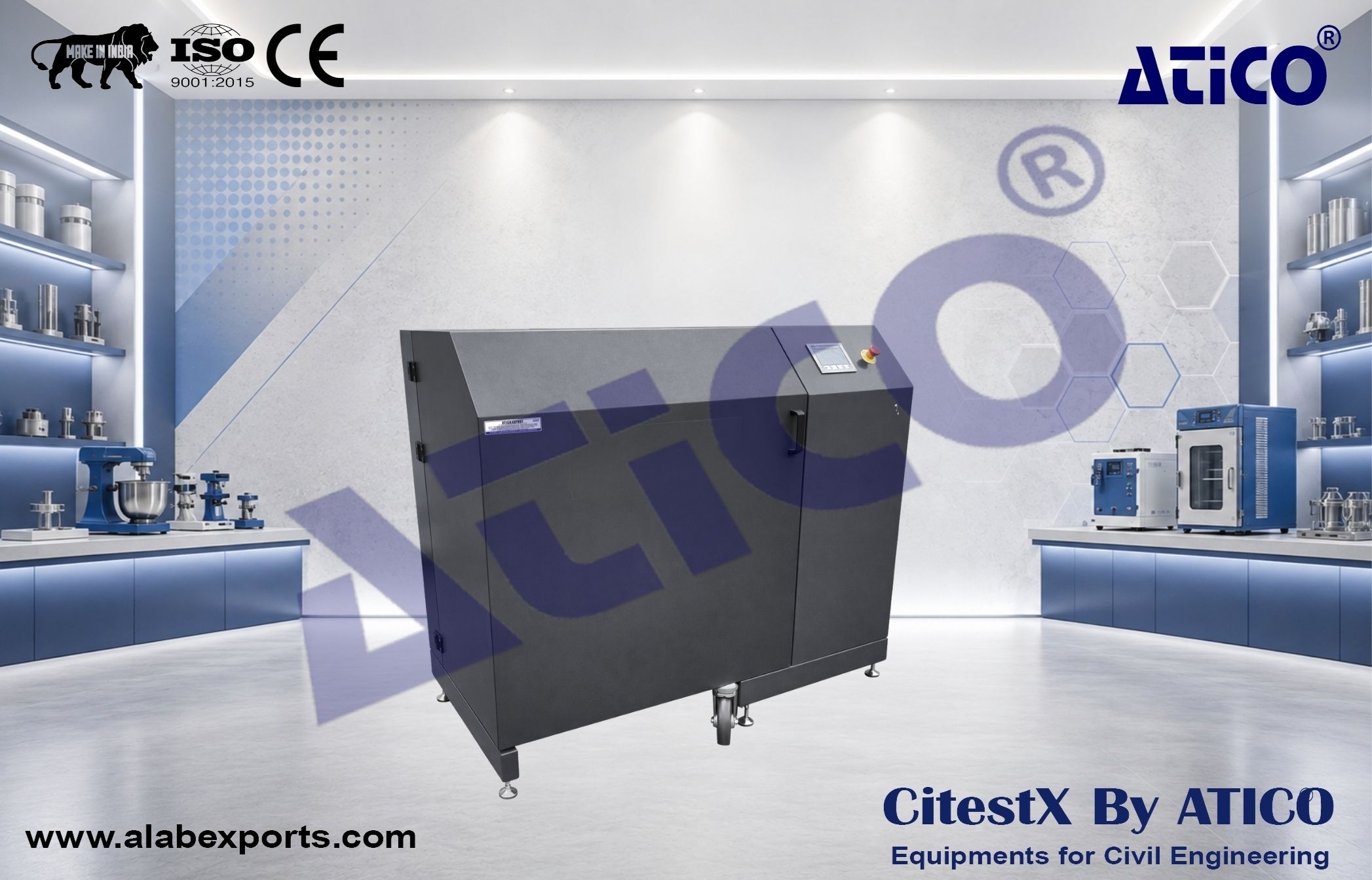
A transportable moisture limit penetration test machine is a specialized device used to determine the transportable moisture limit of bulk cargoes, particularly solid bulk cargoes like ores, concentrates, and minerals. The transportable moisture limit is a critical parameter used in the shipping industry to ensure safe transportation of these materials by sea.
The transportable moisture limit penetration test machine includes a device specifically designed to measure the penetration resistance of the cargo. It typically consists of a penetrometer or a penetrometer probe. The penetration test device is operated by a hydraulic or mechanical system, allowing controlled and precise application of force during the penetration test. The force applied represents the resistance encountered by the penetrometer as it penetrates the cargo.
The transportable moisture limit penetration test machine is designed to be transportable and mobile, allowing it to be easily moved and used in various locations such as ports, terminals, or laboratories. It may be compact in size and equipped with handles or wheels for ease of transportation.
The transportable moisture limit penetration test machine plays a crucial role in assessing the moisture content and flow characteristics of solid bulk cargoes. By determining the transportable moisture limit , which is the moisture content at which the cargo can potentially transform into a fluid-like state during transport, it helps ensure the stability and safety of the cargo during shipping. Compliance with transportable moisture limit regulations and guidelines is essential to prevent cargo liquefaction, which can lead to vessel instability and pose significant risks to maritime transportation.
Noise :
Power supply :
Rated power :
Weight :
Speed setting :
Time setting :
Cylinder inner diameter :
Cylinder wall thickness :
Dimensions (W ° D ° H) :