Chemical engineering lab equipment provides practical training in chemical processes, reaction engineering, transport phenomena, process control, separation techniques, and industrial operations. Laboratory scale experimental systems allow students and researchers to study how chemical processes behave under controlled conditions, collect experimental data, and compare practical results with theoretical models.
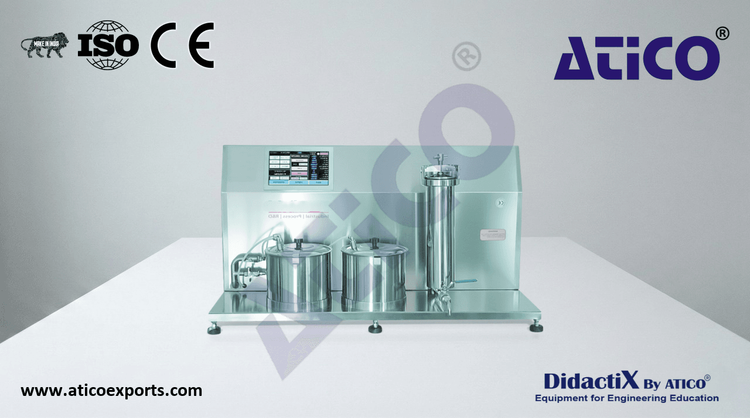
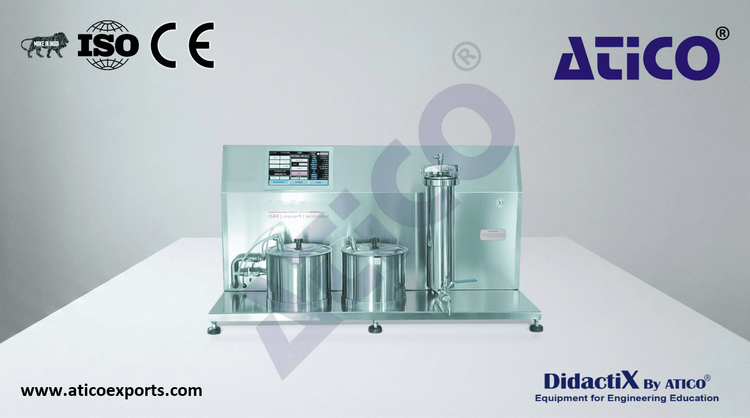
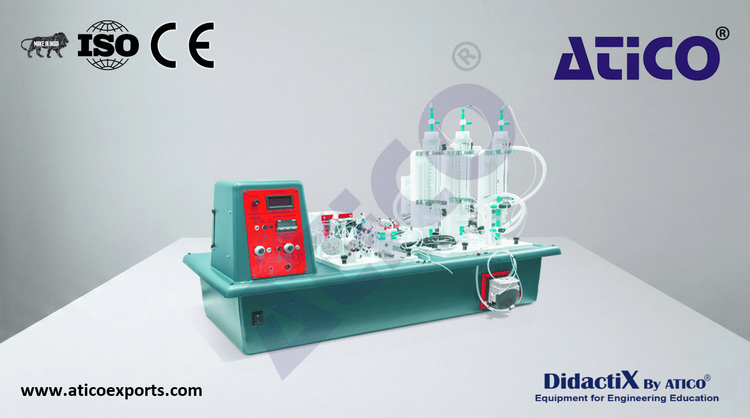
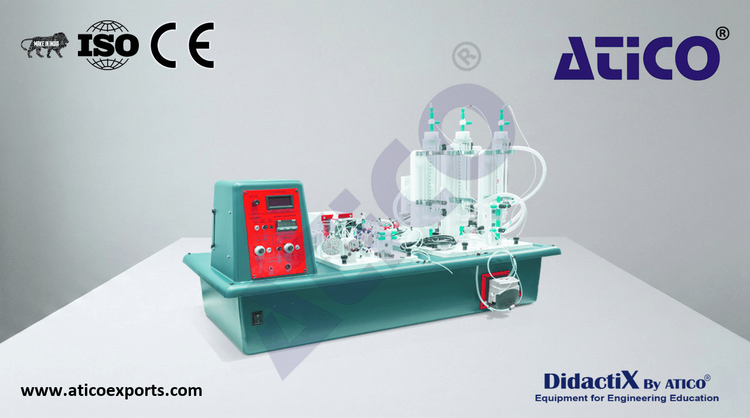
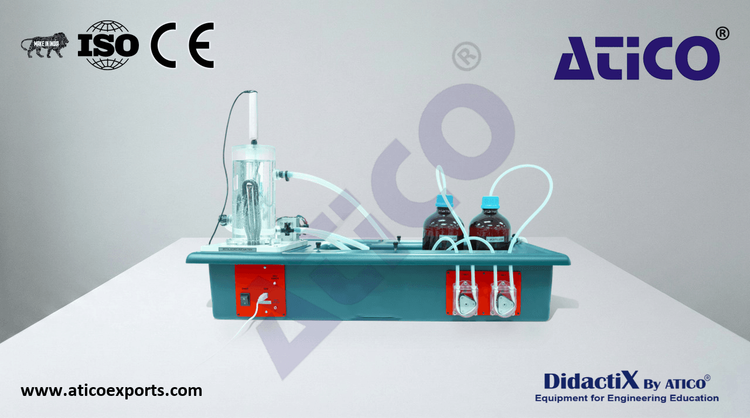
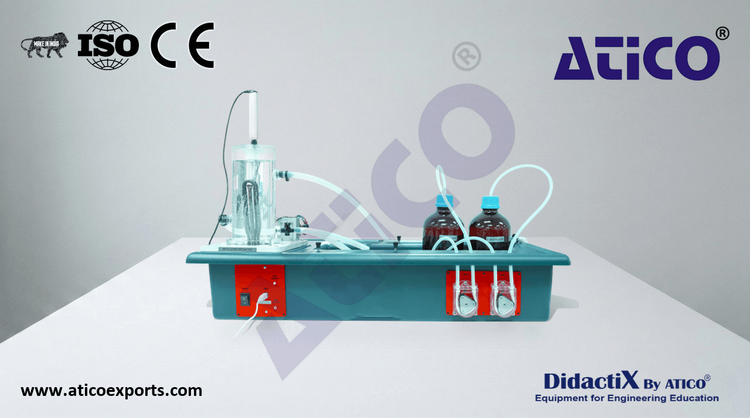
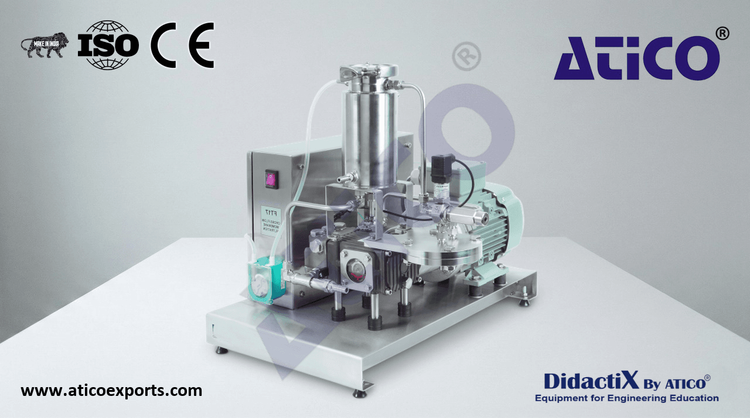
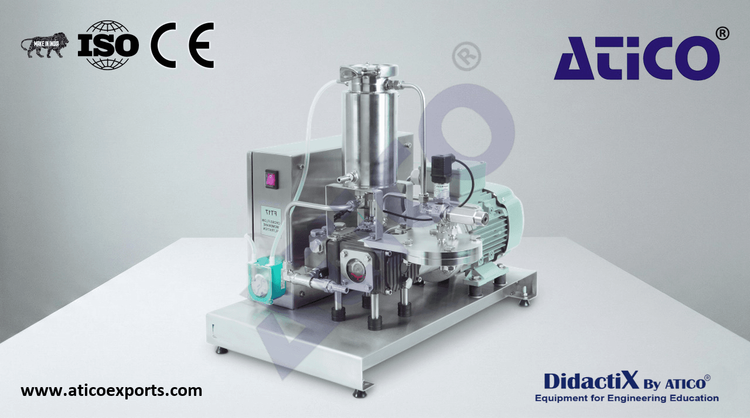
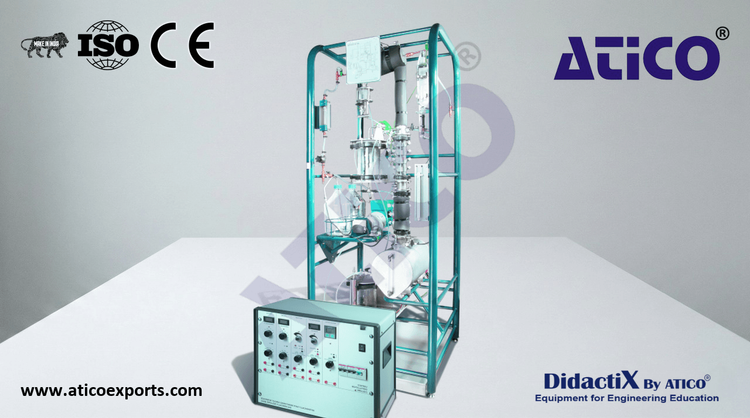
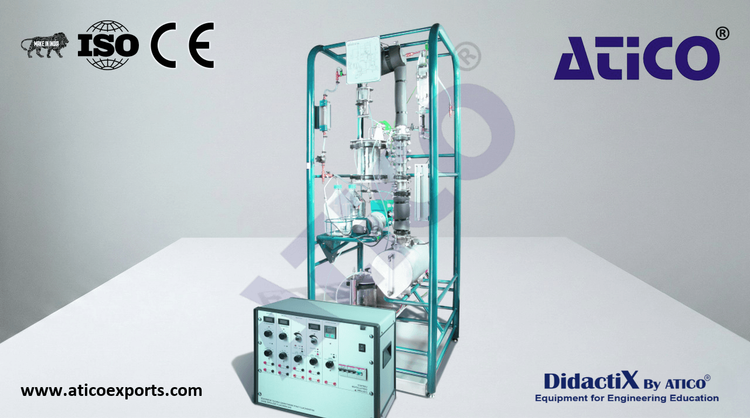
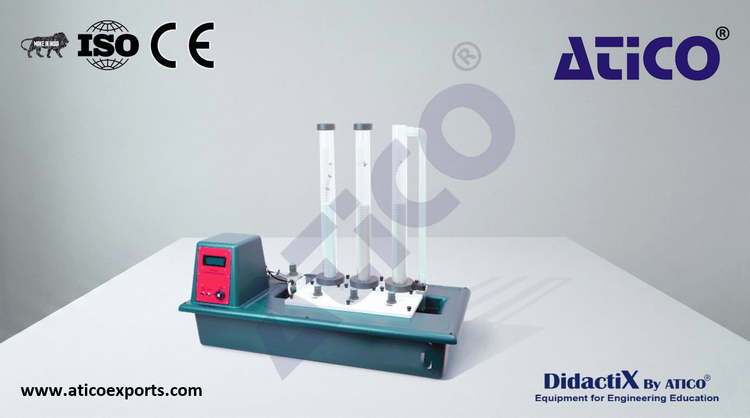
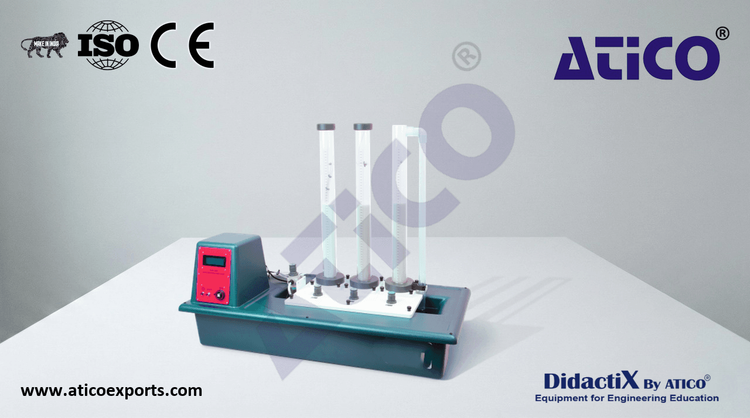
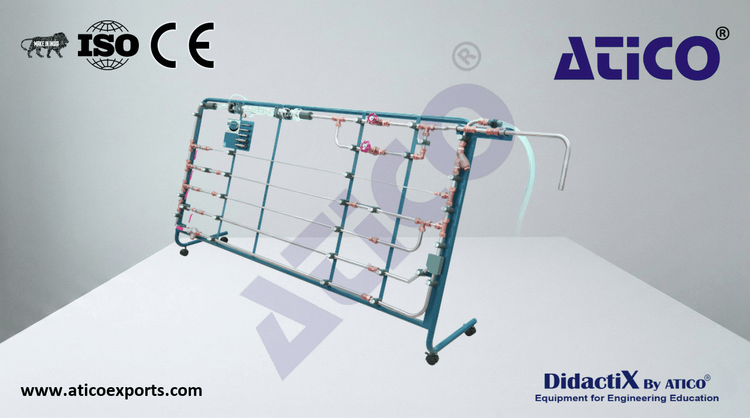
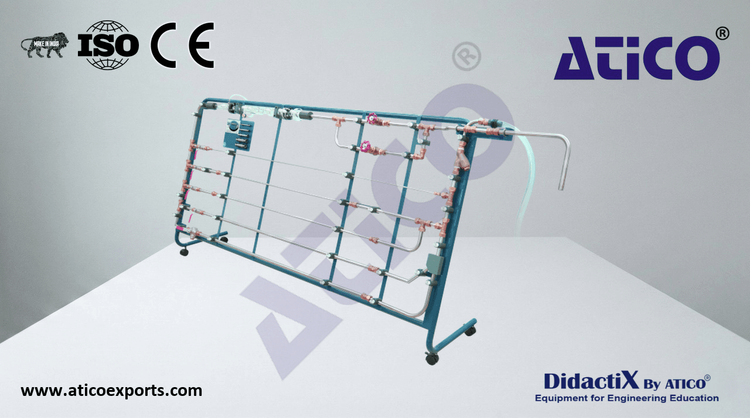
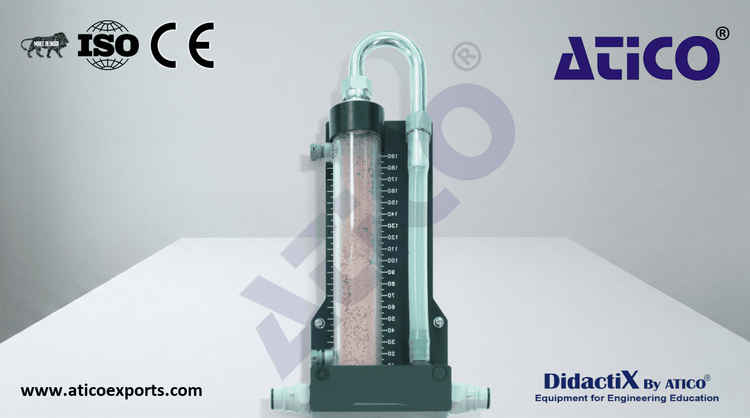
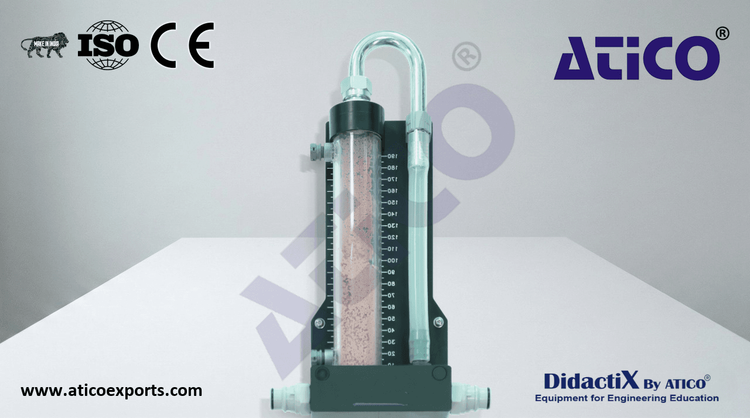
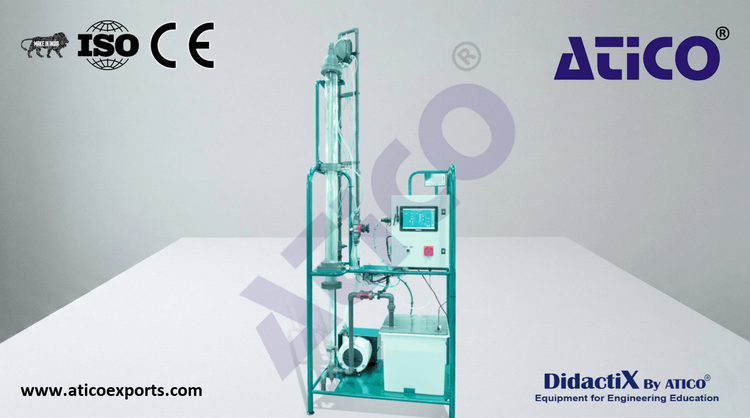
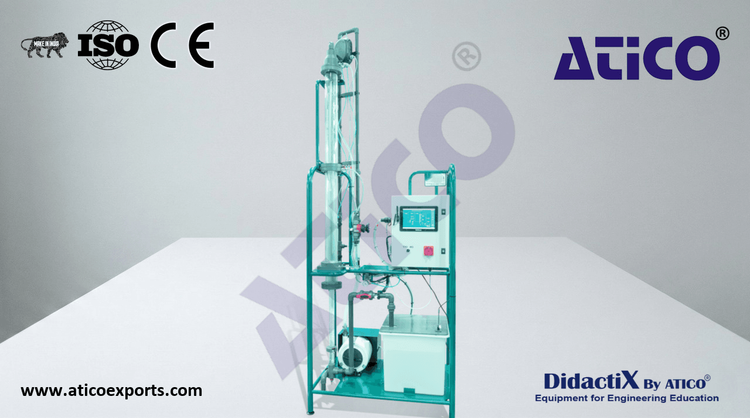
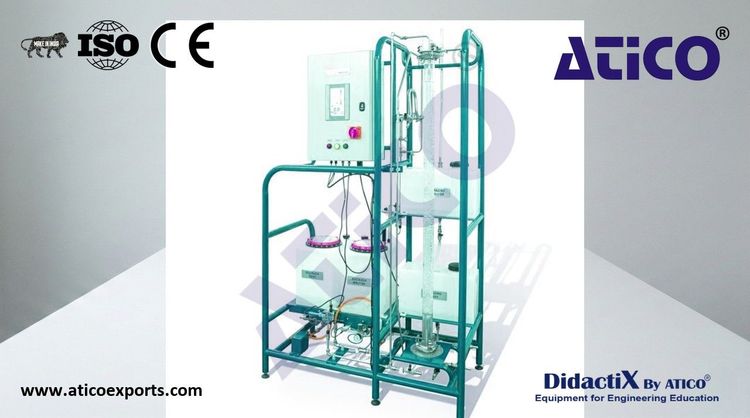
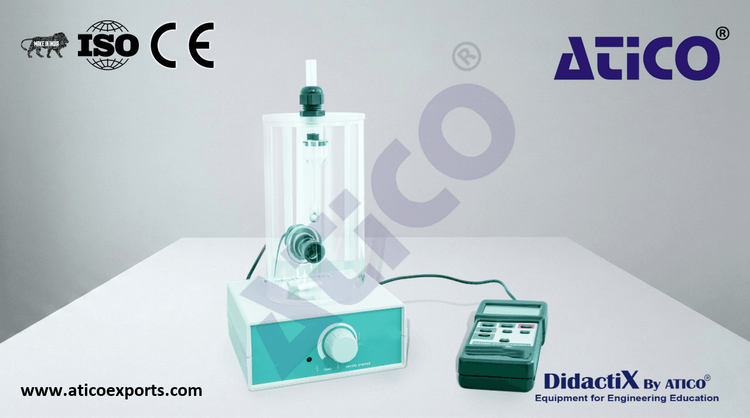
All products loaded
Chemical engineering laboratories are used in engineering colleges, universities, research and development facilities, technical institutes, and industrial training centres. As a chemical engineering lab equipment exporter and supplier, we supply instruments depending on the laboratory's objectives. Equipment may range from individual experimental apparatus to complete process training systems and pilot scale units.
As a Chemical Engineering Lab Equipment Supplier and Exporter, we understand that a properly planned laboratory should include equipment that matches the academic curriculum, research objectives, available space, student capacity, safety requirements, and desired level of process automation.
Chemical Engineering Lab Equipment refers to laboratory instruments, experimental setups, trainers, and process systems used to demonstrate and investigate chemical engineering principles. Unlike general chemistry laboratory equipment, chemical engineering laboratory systems focus on processes, operating conditions, material flow, energy transfer, reaction behaviour, control systems, and scale up concepts. Students and researchers can use these systems to study:
These systems help bridge the gap between classroom theory and the equipment and processes encountered in industrial chemical plants.
Atico's Chemical Engineering laboratory equipment range can include experimental systems for different areas of chemical engineering.
Product availability and configuration may vary according to the required process, specifications, scale, instrumentation, and laboratory application. As a chemical engineering lab equipment exporter, we manufacture lab equipment that satisfy all the international requirements and quality standards. Contact our team for more details and customisations.
As a leading Chemical Engineering Lab Equipment Supplier, Atico offers a complete range of laboratory systems designed to meet academic and industrial requirements. Different types of chemical engineering laboratory equipment are listed below. Connect with our team at Atico for more details.
Reaction engineering equipment is used to study the relationship between reaction conditions, reaction rate, conversion, residence time, and reactor performance. Laboratory reactors such as PFRs, CSTRs, batch reactors, cascade reactors, and packed bed systems allow students and researchers to investigate different reactor configurations and operating conditions. These systems can support experiments related to:
Residence Time Distribution (RTD) systems are used to study how material moves through a reactor or process vessel. RTD experiments can help students understand concepts such as:
Polymerisation reactors are used for practical studies of polymer formation and polymerisation processes. Depending on the system, students and researchers can investigate reaction conditions, operating parameters, conversion, temperature behaviour, and other aspects of polymerisation.
Fluid mechanics equipment allows students to study the movement of liquids and gases through pipes, valves, fittings, and other process components. Experiments may cover:
Heat transfer experimental systems are used to demonstrate the movement of thermal energy between materials or process streams. Depending on the equipment, practical studies may include:
Mass transfer equipment provides practical exposure to processes used to separate or transfer components between phases. Laboratory systems may support studies involving:
Process control trainers demonstrate how process variables such as temperature, pressure, flow, and level can be measured and controlled. These systems help students understand:
Chemical engineering equipment can support a broad range of practical experiments and demonstrations. Depending on the equipment installed, laboratory activities may include:
Chemical engineering laboratories are an important part of undergraduate and postgraduate engineering education.
For undergraduate programs, laboratory systems can provide practical exposure to fundamental concepts such as reaction engineering, fluid mechanics, heat transfer, mass transfer, process control, and instrumentation.
Postgraduate laboratories may require more advanced experimental systems that provide greater flexibility in operating conditions, data collection, process control, and research applications.
Laboratory equipment can therefore be selected according to:
Research laboratories may require more flexible systems than standard teaching laboratories. Depending on the research objective, equipment may need customised operating conditions, additional instrumentation, data acquisition, automation, or process modifications. Research applications can include:
Practical Experimental Learning: Laboratory systems allow students to operate process equipment, collect experimental data, analyse results, and compare practical behaviour with theoretical models.
Instrumentation and Measurement: Depending on the system, equipment may incorporate instruments such as flow meters, pressure gauges, temperature sensors, conductivity sensors, level indicators, controllers, pumps, and other process measurement components.
Durable Construction: Chemical engineering laboratory systems are intended for repeated educational and experimental use. Appropriate material selection and robust construction are important for reliable laboratory operation.
Safety Features: Depending on the process and equipment, safety provisions may include pressure monitoring, temperature control, protective systems, emergency shut off arrangements, and other safeguards appropriate to the application.
Manual or Automated Operation: Laboratory systems can be configured with different levels of instrumentation and automation depending on the learning objectives and technical requirements.
Suitable for Different Academic Levels: Equipment can be selected for diploma, undergraduate, postgraduate, technical training, and research applications according to the required complexity.
Selecting chemical engineering laboratory equipment should begin with the laboratory's intended learning or research objectives.
Identify the Required Experiments: Prepare a list of experiments that students or researchers need to perform. This helps determine which systems and accessories are actually required.
Consider the Academic Level: The equipment required for a diploma or undergraduate teaching laboratory may differ from systems intended for postgraduate research or advanced process studies.
Define Process Parameters: Consider the required operating temperature, pressure, flow rate, concentration, capacity, material compatibility, and other process parameters.
Evaluate Instrumentation: Determine which variables need to be measured and whether manual measurement, digital instrumentation, data acquisition, or automated control is required.
Consider Laboratory Space: Process trainers and pilot scale systems can require significant floor or bench space. The laboratory layout should be considered before finalising the equipment.
Review Safety Requirements: The laboratory should have appropriate safety measures for the chemicals, temperatures, pressures, electrical systems, and processes involved.
Plan for Maintenance: Consider accessibility of components, consumables, replacement parts, calibration requirements, technical support, and routine maintenance.
A complete chemical engineering laboratory can combine multiple experimental areas within a single teaching or research facility. Depending on the institution's requirements, a setup may include:
A complete setup should be planned according to the curriculum, research objectives, laboratory space, student capacity, required experiments, and budget.
Atico provides Chemical Engineering Lab Equipment for engineering education, technical training, research, and process development applications.
Our range covers several major areas of chemical engineering, allowing institutions to develop laboratories around reaction engineering, transport phenomena, separation processes, process control, instrumentation, and related subjects.
For new laboratory projects and upgrades, customers can provide their curriculum, experiment list, laboratory layout, technical specifications, required quantities, or tender documents so that suitable equipment can be discussed.
Depending on the project, customised systems can also be considered according to experimental objectives, operating parameters, instrumentation requirements, and laboratory space.
Support such as installation assistance, technical documentation, experiment manuals, faculty training, calibration, and after sales services should be confirmed according to the specific equipment and project scope.
Atico is a Chemical Engineering Lab Equipment Manufacturer, Supplier and Exporter from India, providing laboratory systems for educational institutions, technical training facilities, research laboratories, and industrial training applications.
Our range includes Chemical Reaction Engineering Equipment, RTD Study Units, PFR and CSTR systems, Batch Reactors, Polymerisation Reactors, Fluid Mechanics Training Systems, Heat Transfer Equipment, Mass Transfer Units, Separation Process Trainers, Process Control Trainers, Instrumentation Systems, and Pilot Scale Equipment.
As a Chemical Engineering Lab Equipment Manufacturer, Atico provides equipment and experimental systems according to the intended application and technical specifications.
As a Chemical Engineering Lab Equipment Supplier, we support engineering colleges, universities, research institutions, technical institutes, and industrial training facilities with individual systems as well as broader laboratory requirements.
As a Chemical Engineering Lab Equipment Exporter, Atico supplies laboratory equipment to customers in international markets. Institutions requiring bulk quantities, customised systems, tender based supplies, or complete laboratory setups can share their requirements with our team.
Whether you are establishing a new chemical engineering laboratory, upgrading an existing teaching facility, developing a research laboratory, or setting up an industrial training centre, equipment should be selected according to the required experiments, process parameters, instrumentation, safety requirements, and available laboratory space.
Share your curriculum, experiment list, technical specifications, laboratory layout, tender requirements, or project details with Atico to discuss suitable Chemical Engineering Lab Equipment and laboratory solutions.
What is Chemical Engineering Lab Equipment?
Chemical Engineering Lab Equipment includes experimental systems, trainers, instruments, and process equipment used to study chemical engineering principles such as reaction engineering, fluid flow, heat transfer, mass transfer, separation, process control, and instrumentation.
What are the main types of Chemical Engineering Lab Equipment?
Major categories include reaction engineering equipment, RTD systems, fluid mechanics trainers, heat transfer equipment, mass transfer and separation systems, process control trainers, instrumentation systems, polymerisation reactors, and pilot scale process equipment.
What experiments can be performed with chemical engineering laboratory equipment?
Depending on the equipment, experiments can include reaction kinetics, reactor performance, RTD studies, fluid flow, pressure drop, heat transfer, mass transfer, separation processes, polymerisation, process dynamics, instrumentation, and process control experiments.
Who uses Chemical Engineering Lab Equipment?
Chemical engineering laboratory equipment is used by engineering colleges, universities, polytechnic institutes, technical training centres, research laboratories, and industrial training facilities.
Can Chemical Engineering Lab Equipment be customised?
Depending on the equipment and project, systems can be discussed and configured according to experimental requirements, operating conditions, instrumentation, laboratory space, and technical specifications.
What should I consider when setting up a chemical engineering laboratory?
Consider the curriculum, required experiments, student capacity, laboratory space, operating parameters, instrumentation, automation level, safety requirements, maintenance, budget, and future expansion requirements.
Do you supply complete chemical engineering laboratory setups?
Yes. Institutions can share their curriculum, experiment list, equipment specifications, laboratory layout, or project requirements for discussion of a complete chemical engineering laboratory setup.
Explore related laboratory categories:
Chemical Engineering Lab Equipment
Fluid Mechanics Lab Equipment
Heat Transfer Lab Equipment
Mass Transfer Lab Equipment
Process Control Lab Equipment
Reaction Engineering Lab Equipment
Engineering Laboratory Equipment
Chemical Laboratory Equipment
Industrial Training Equipment
Pilot Plant Equipment

