Loading product…
Loading product…
Need Help?
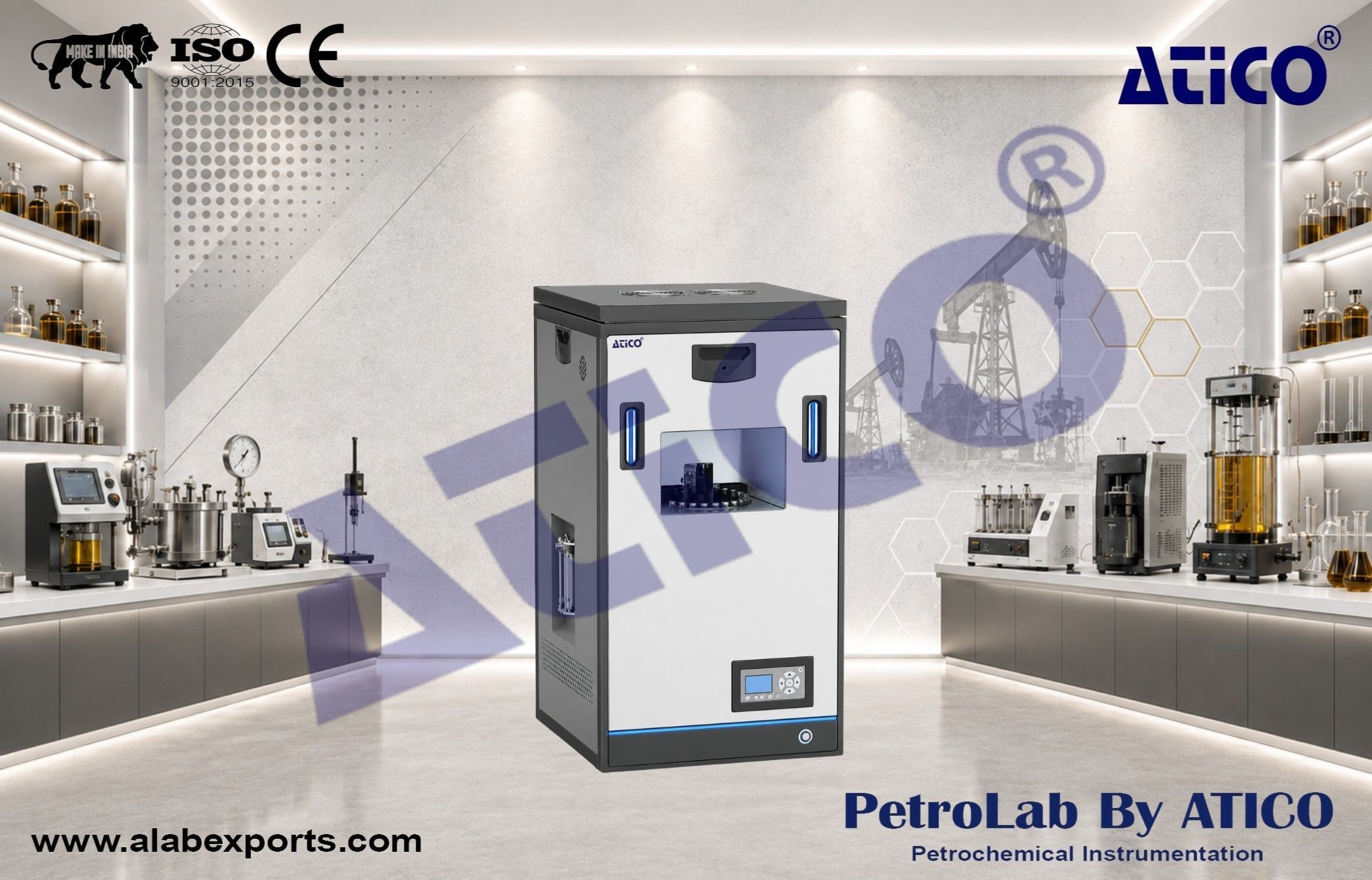
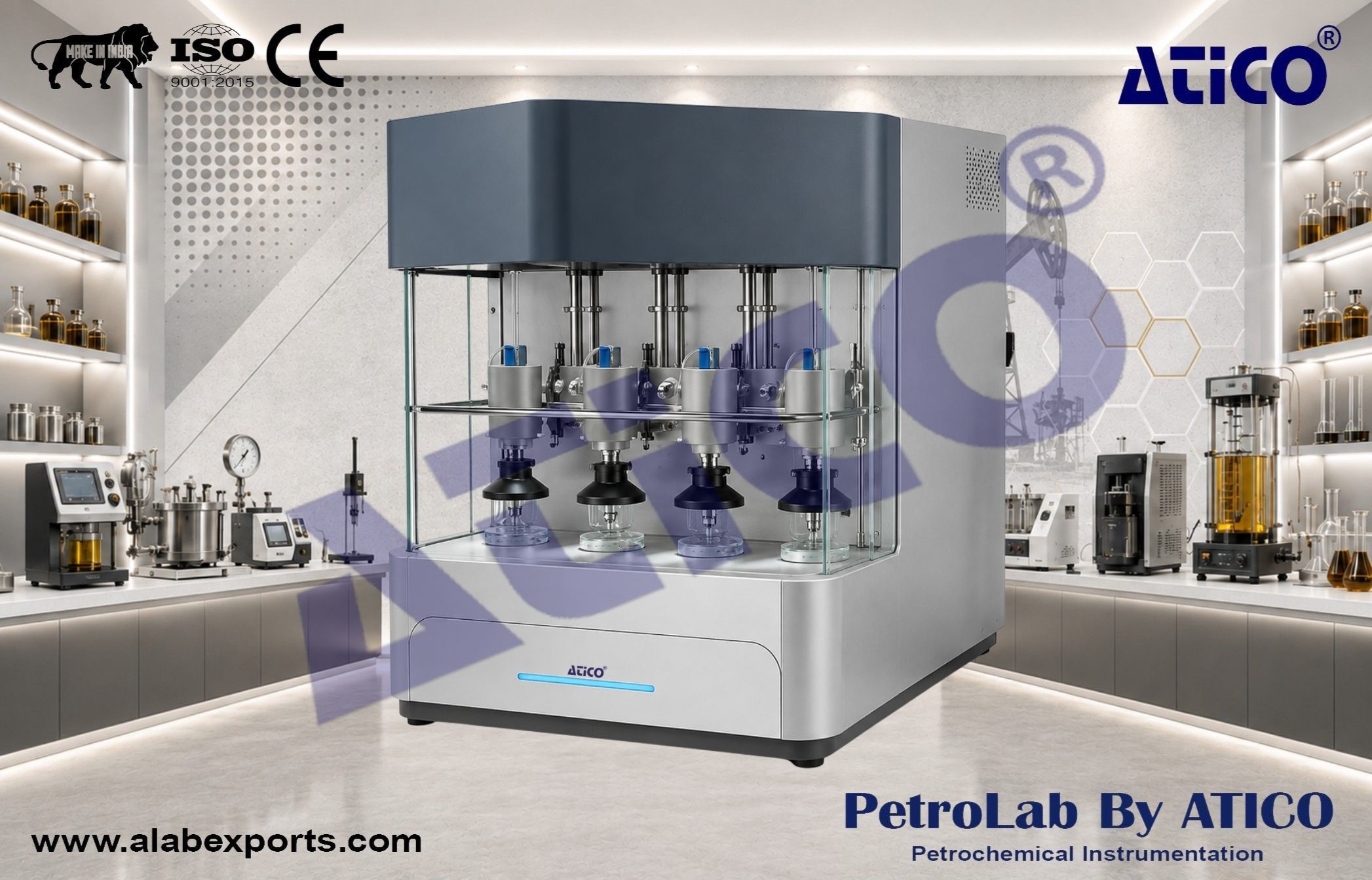
+91 98967 93832Asphaltene deposition in crude oil production and processing can cause severe plugging and fouling issues. The stability of the crudes and their blends can be predicted using the solvent titration method with a laser-based solids detection system. More precisely, the ASTM D7157 introduces the "S-value" as an indication of the intrinsic stability or available solvency power of an oil with respect to precipitation of asphaltenes. The computer-operated FT-1 instrument accurately determines asphaltene flocculation onset of a crude or blend sample by means of the solvent dilution method. The apparatus comprises a stirred sample vessel with a dedicated optical probe which measures the transmittance of a low intensity laser light in the fluid. While a metering pump precisely injects solvent (heptane) in the crude oil, asphaltene flocculation onset is identified by a sharp decrease of signal transmittance. The concentration of solvent required to initiate asphaltene precipitation is then used to assess the stability of the crude sample and compute the S-value, Sa (peptizability of an asphaltene), and So (peptizing power of the oil matrix).
Standard :
Pressure :
Temperature range :
Vessel volume :
Sample mixing :
Wetted parts :
Detection wavelength :
Electrical :