Loading product…
Loading product…
Need Help?
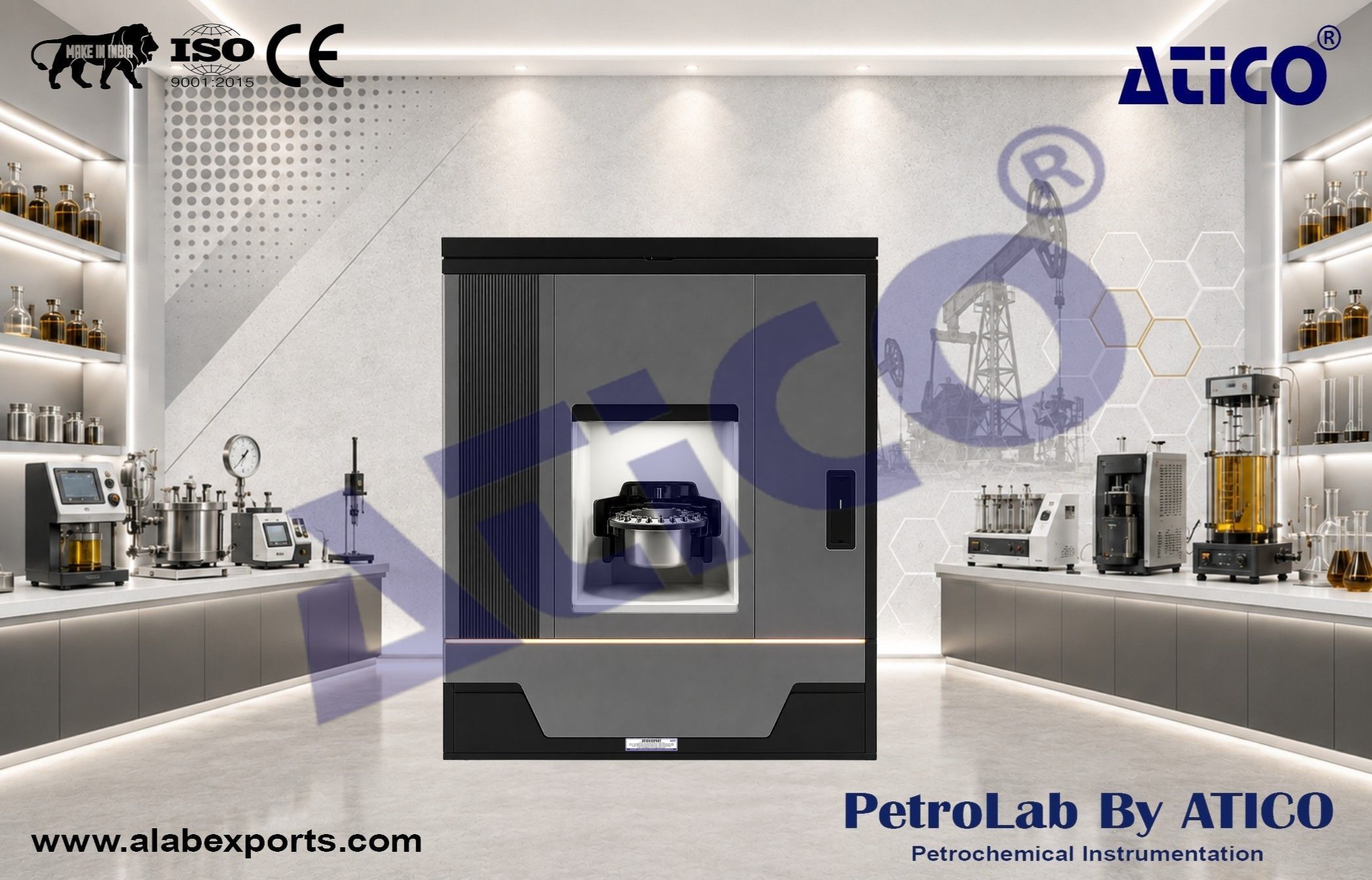
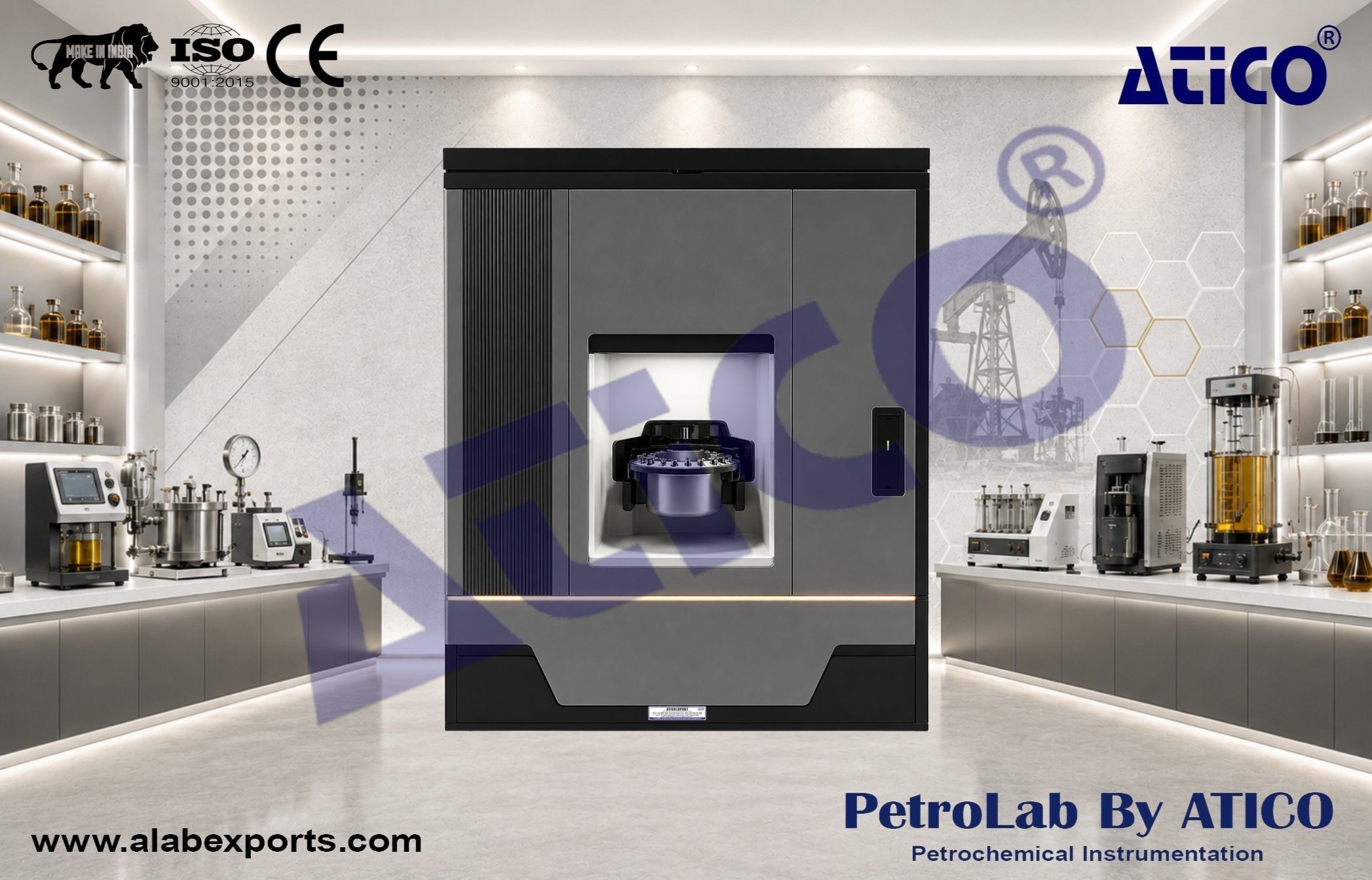
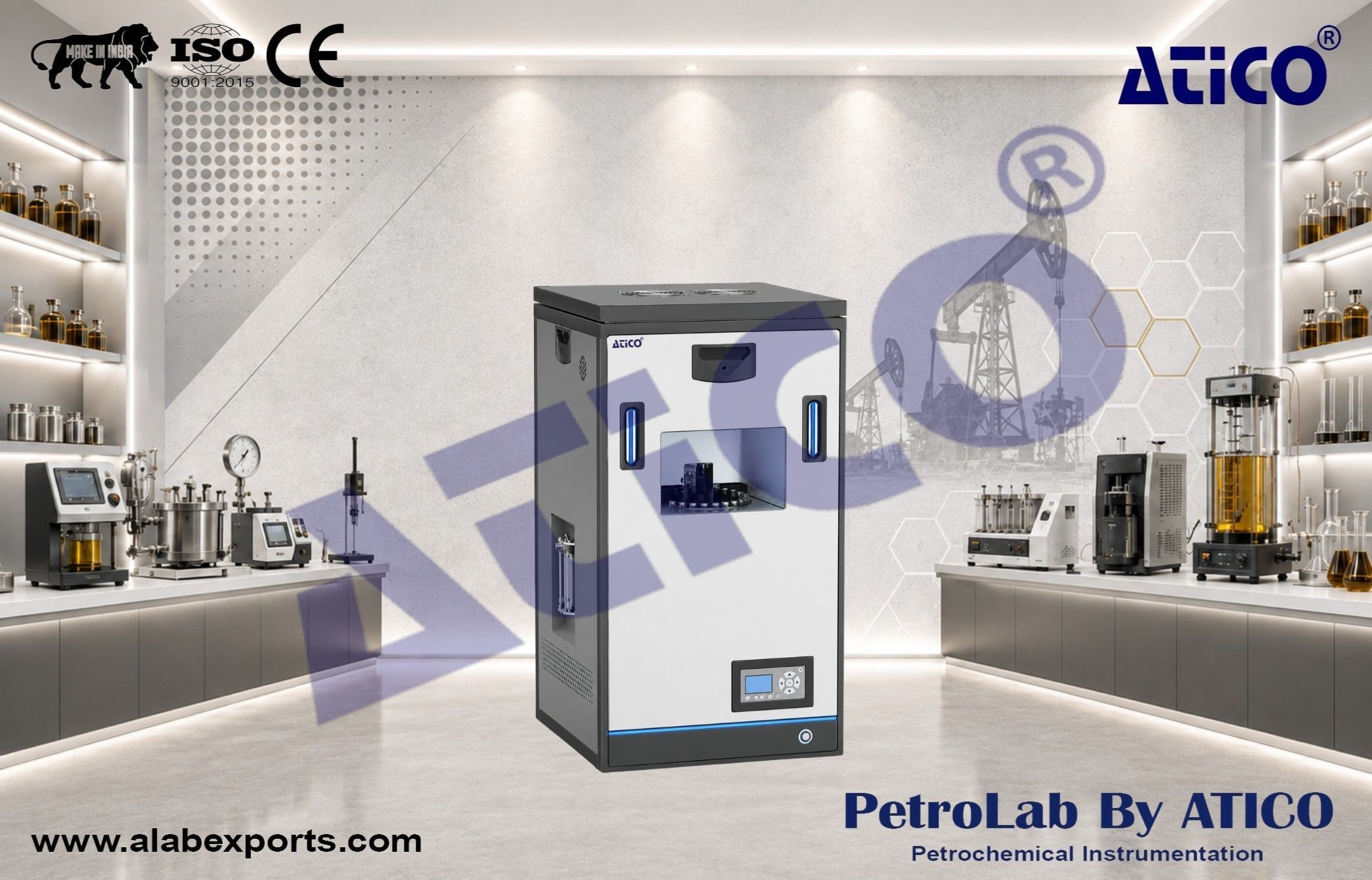
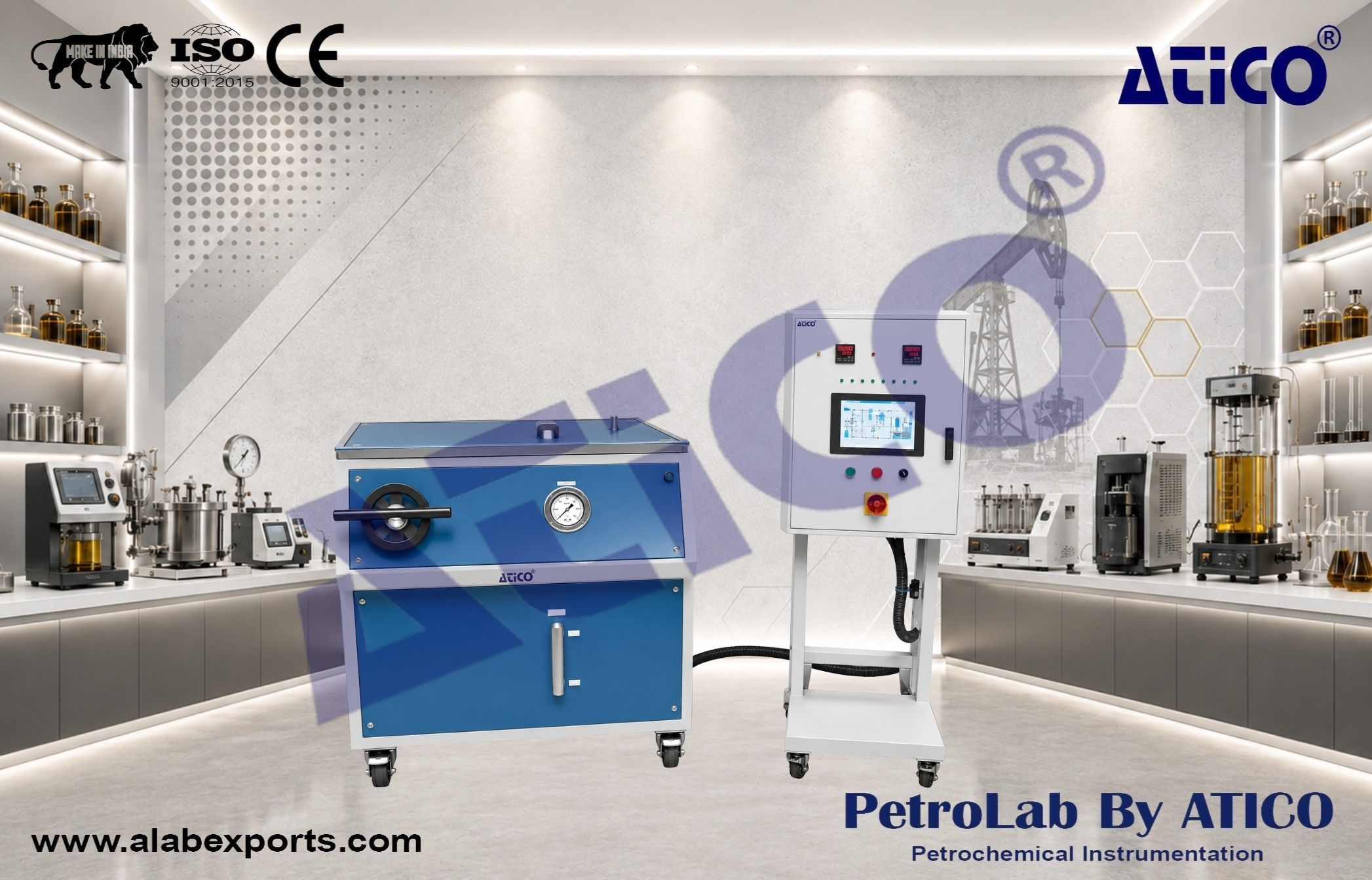
+91 98967 93832The core cleaner is utilized to remove liquid phases (e.g. crude oil, drilling fluids, water…) from either a single whole core or a batch of core plug samples. The former is achieved by submerging samples in a pressurized solvent (toluene) containing dissolved carbon dioxide. Applying sufficient hydraulic pressure will cause the solvent to invade the pores and disturb the phase equilibrium. An oil-solvent emulsion will form and a gradual depressurization to atmospheric pressure will partially remove the residing liquids. Multiple cycles are required to obtain a perfect cleansing and this number highly depends on the rock’s properties, e.g. effective porosity, permeability, tortuosity, wettability and fluid characteristics: miscibility, interfacial tension, density… The apparatus fits into a standard size floor hood. The cleaning chamber is an electrically heated pressure vessel enclosed in an explosion-proof housing. With a high pressure pump, the solvent is transferred from an on-board supply tank to the cleaning vessel. A cyclone separator with a stainless steel-packed, water-cooled after-cooler is provided to remove the dissolved CO2 from the dirty solvent when the vessel is drained. The used solvent is then flowed to an explosion proof electric still where it is filtered and recirculated back to the supply tank. A refrigeration system cools the hot solvent by circulating cold water around the walls of the cyclone separator, thereby preventing heating-related damage. Moreover, the still operation is automated. The process control box is mounted on the outside of the hood. A touch screen panel allows the machine to be operated in both manual and fully automated modes.
Vessel diameter :
Vessel length :
CO2 pressure :
Solvent pressure :
Wetted materials :
Net weight :
Required air :
Electrical :
Efficient solvent cleaning of core samples without damaging delicate minerals such as clays.