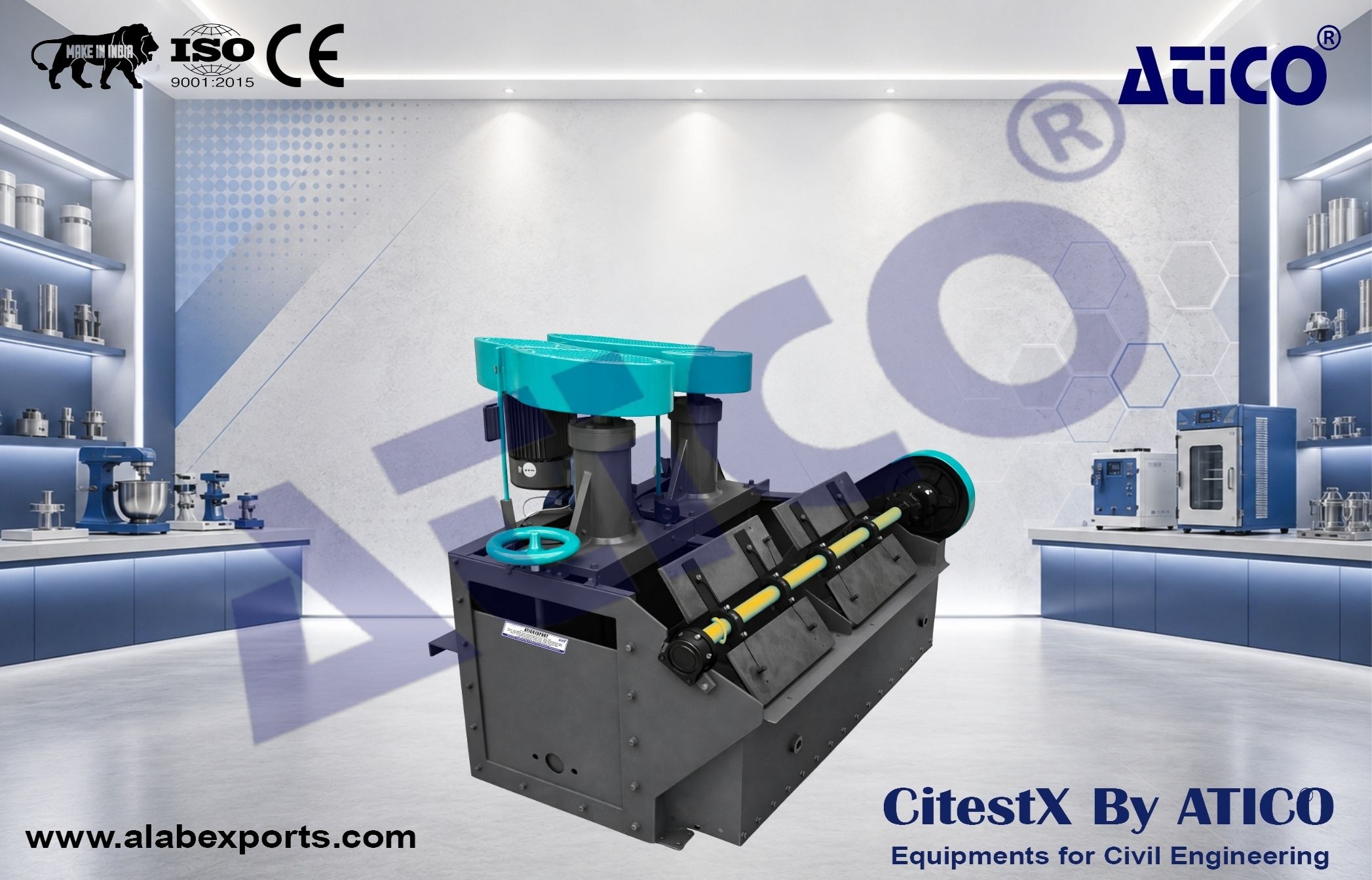
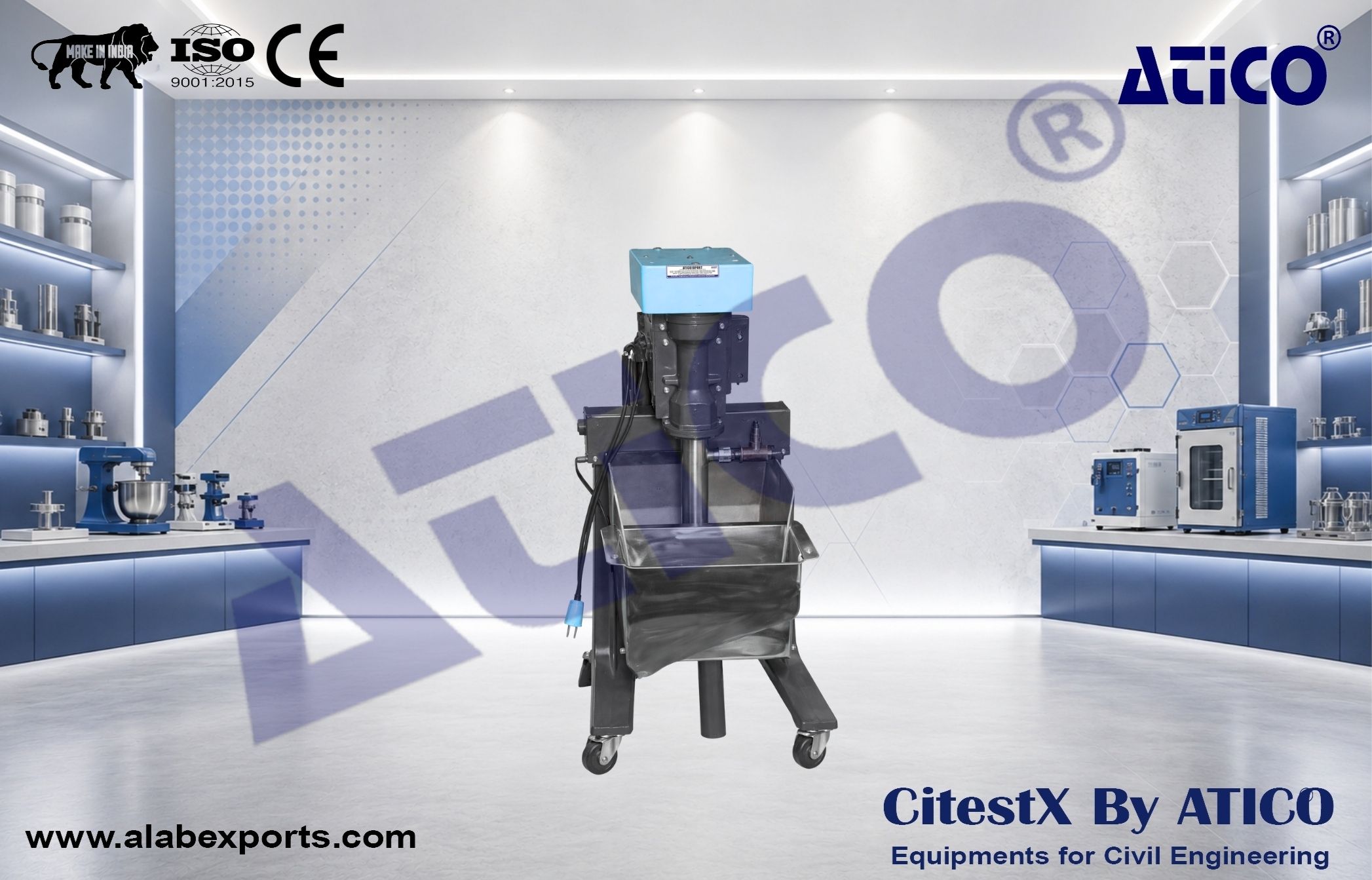
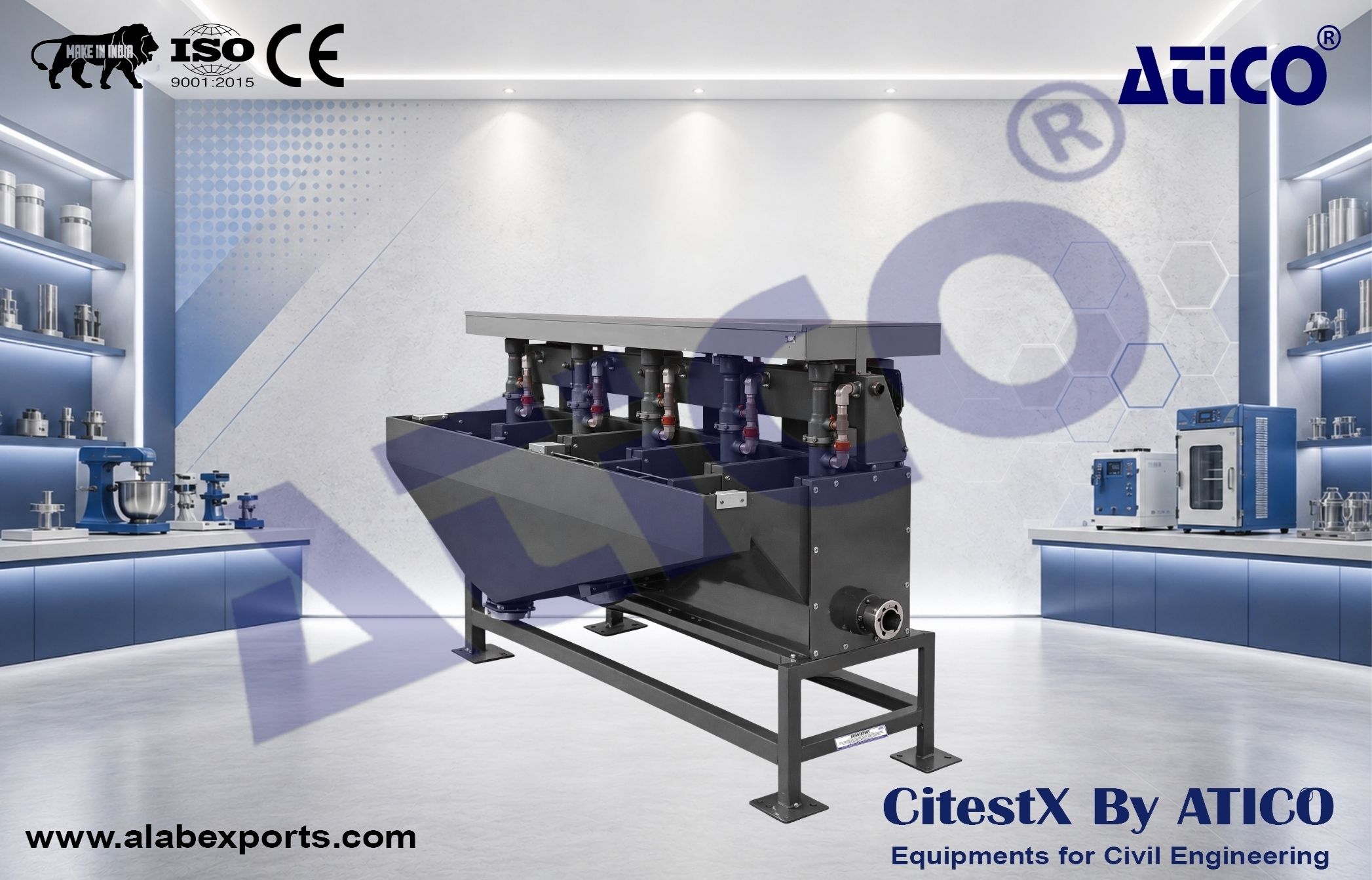
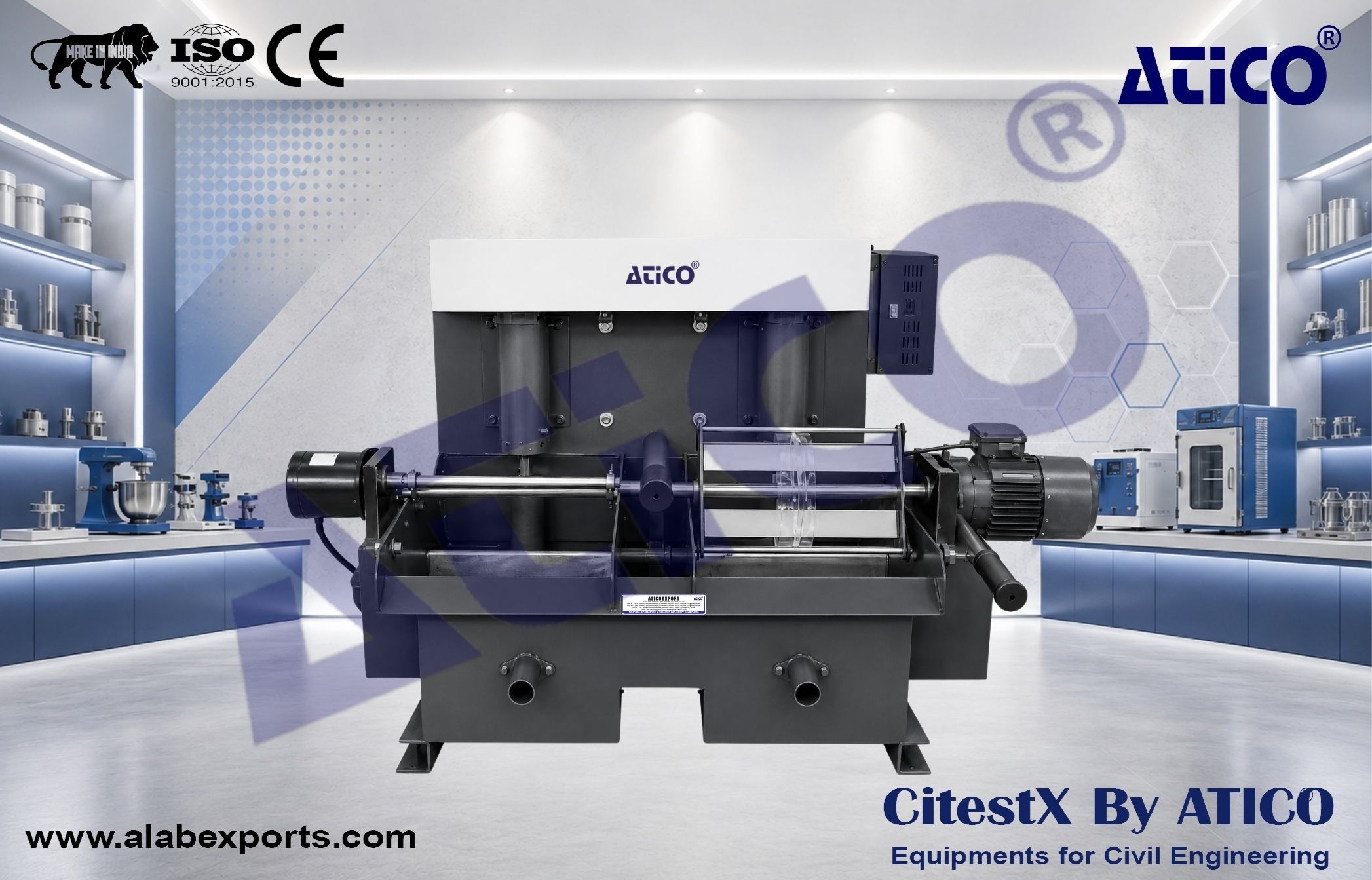
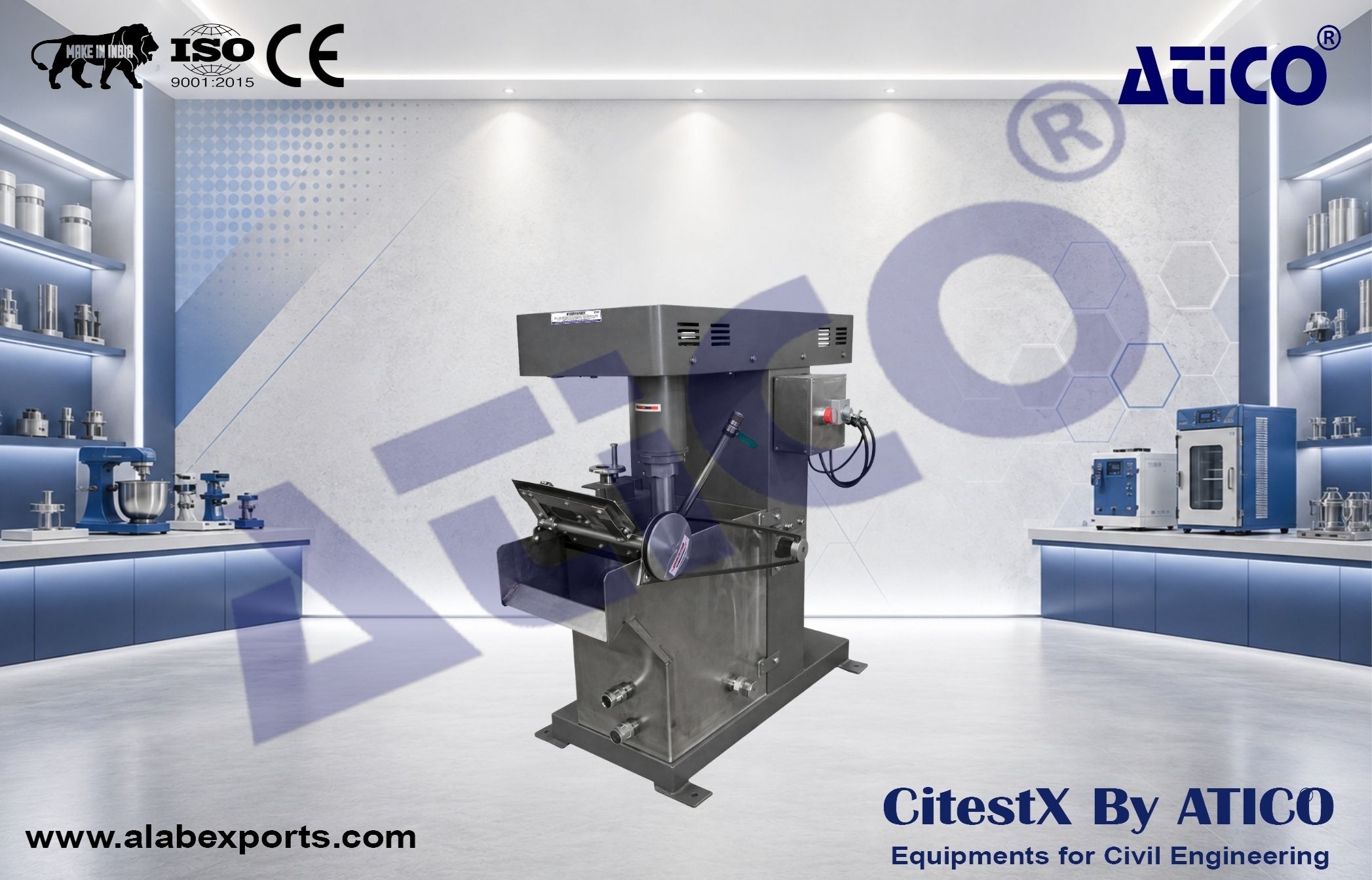
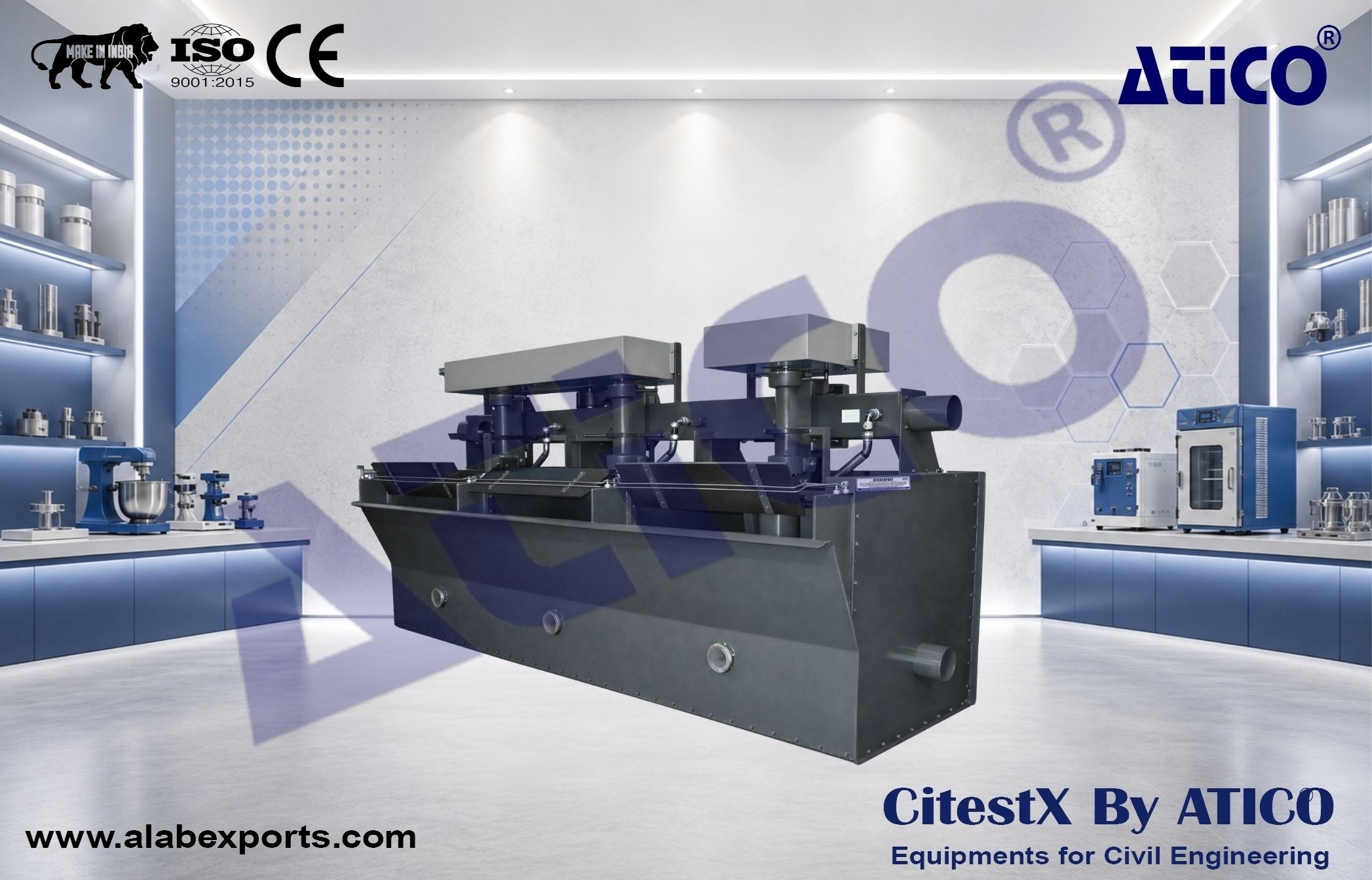
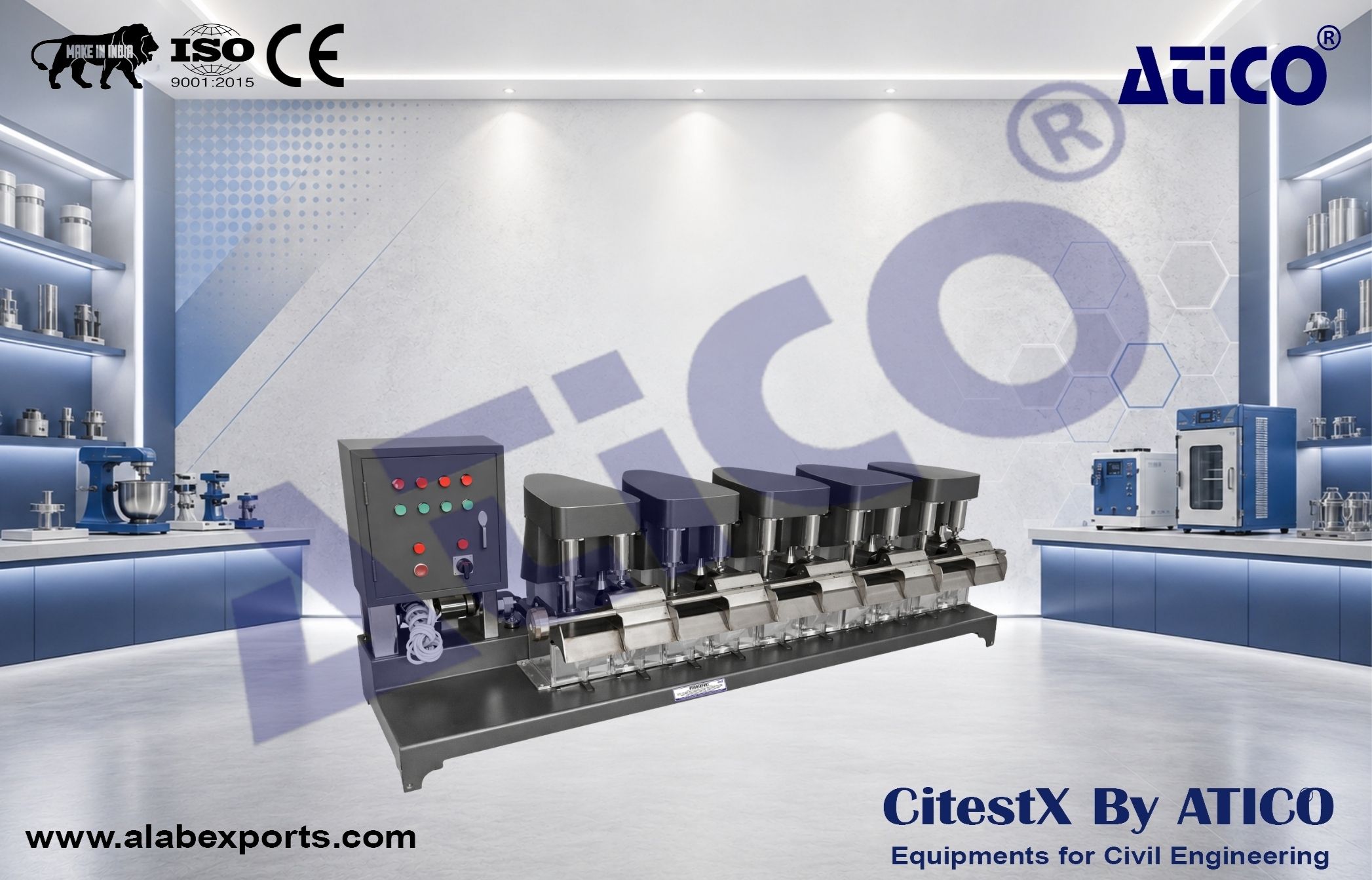
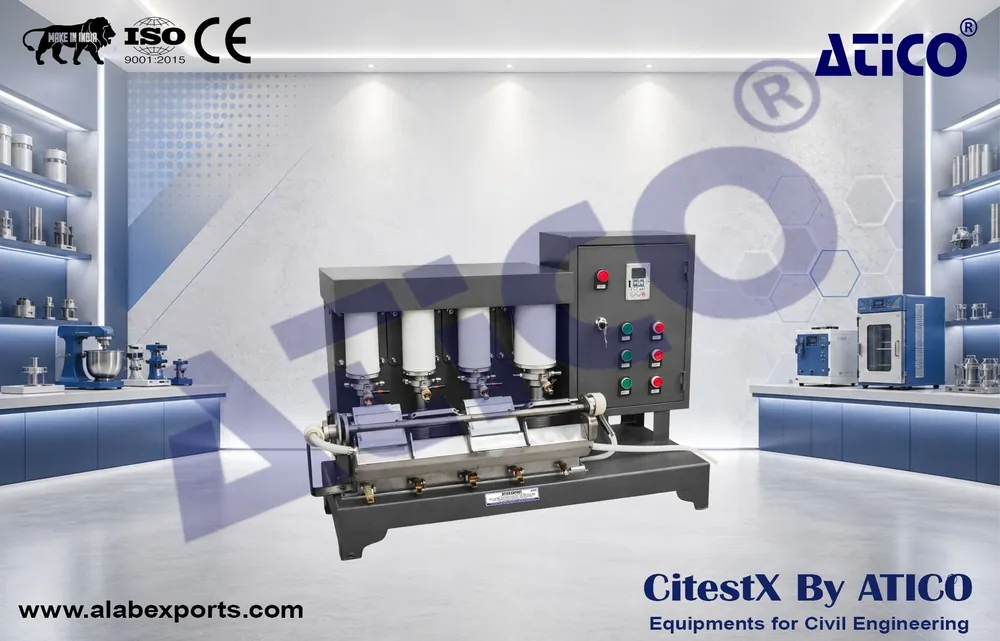
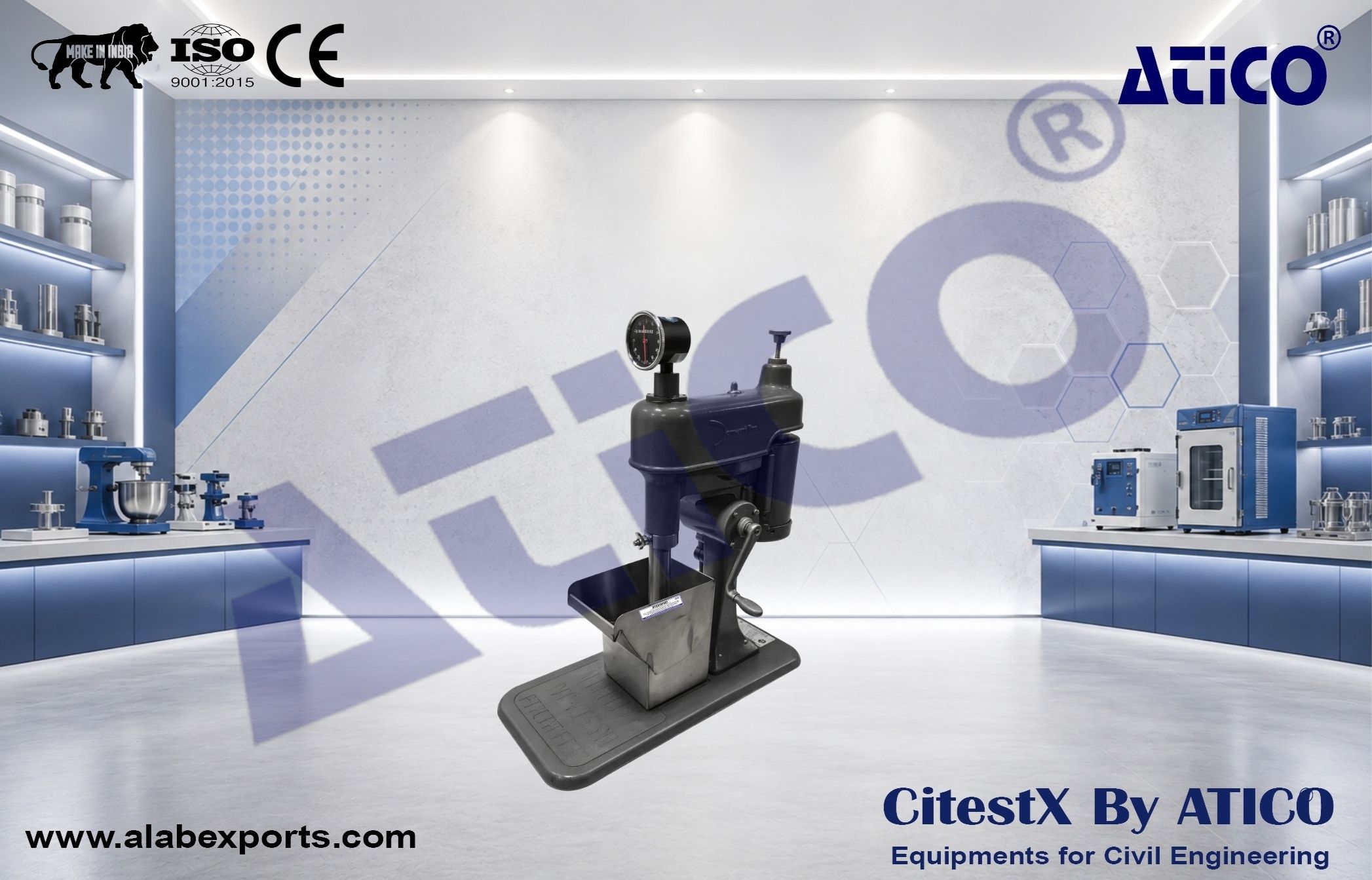
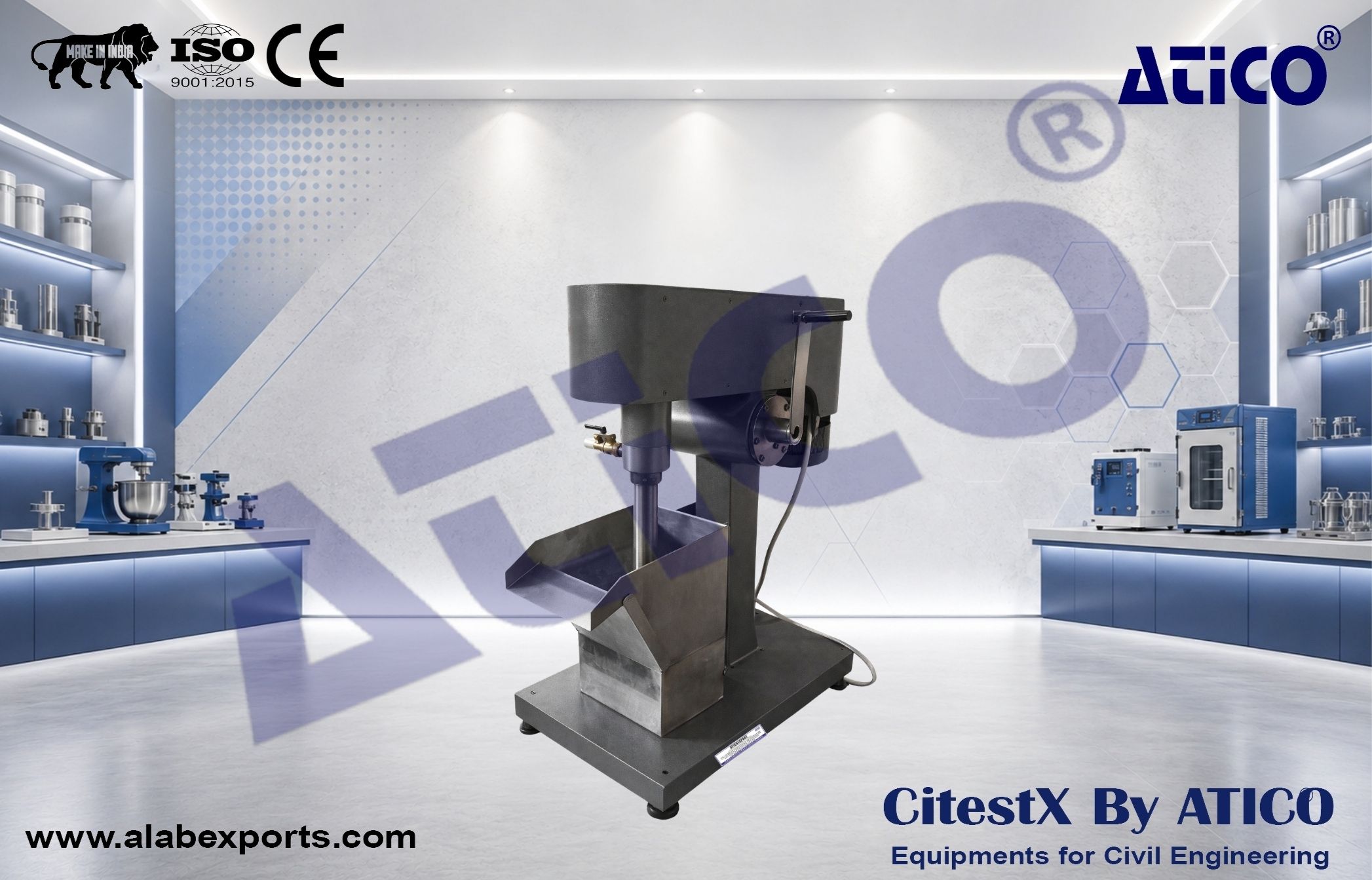
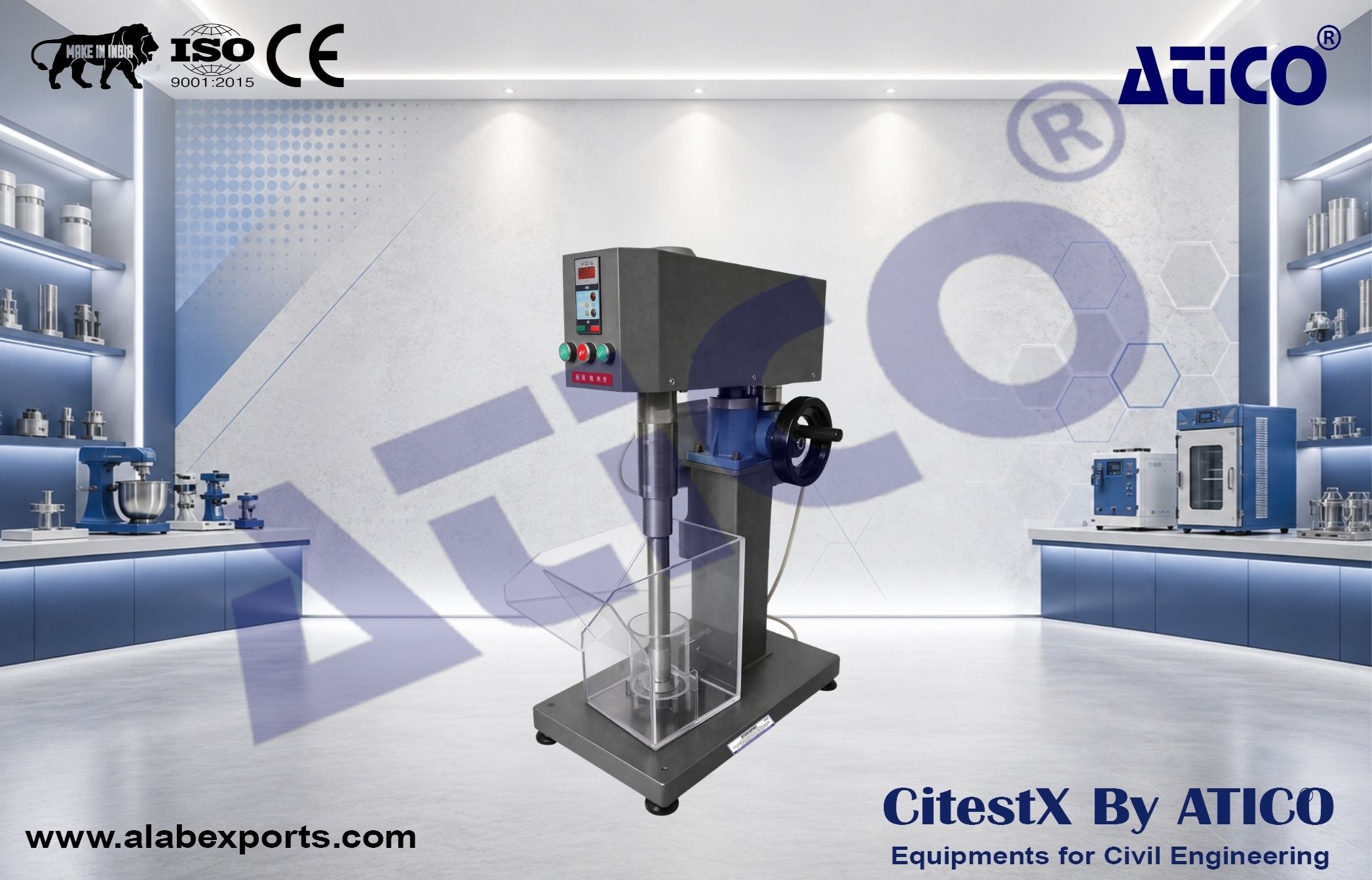
Mechanical flotation cells are used in mineral processing to separate valuable minerals from ore based on differences in floatability. The system uses an impeller-driven mechanism to mix air and slurry, enabling flotation of selected particles.
Working Principle :
- Slurry is introduced into the impeller zone
- Rotating impeller creates a vortex between:
- Sand pipe (top)
- Draft tube (bottom)
- Vortex action:
- Creates internal vacuum
- Circulates slurry from bottom to rotor
- Air is drawn into the vortex core
- Air mixes with slurry to form bubbles
- Mineral particles attach to bubbles and rise to form froth
Process Flow / Operational Steps :
Grinding :
- Ore is ground with water and reagents
- Objective: Liberate mineral particles
Classification :
- Slurry passed through cyclone
- Separation into:
- Sands (coarser fraction)
- Slimes (fine particles, ~30 µm)
- Slimes are removed due to:
- Poor flotation response
- High reagent consumption
- Negative impact on selectivity
Conditioning :
- Slurry mixed with reagents
- Time allowed for:
- Proper reagent distribution
- Interaction between mineral particles
- Enhances differences in floatability
Operational Notes :
- Perfect mineral liberation is difficult without over-grinding
- Fine and coarse fractions may be processed separately
- Proper conditioning improves flotation efficiency and selectivity