Loading product…
Loading product…
Need Help?
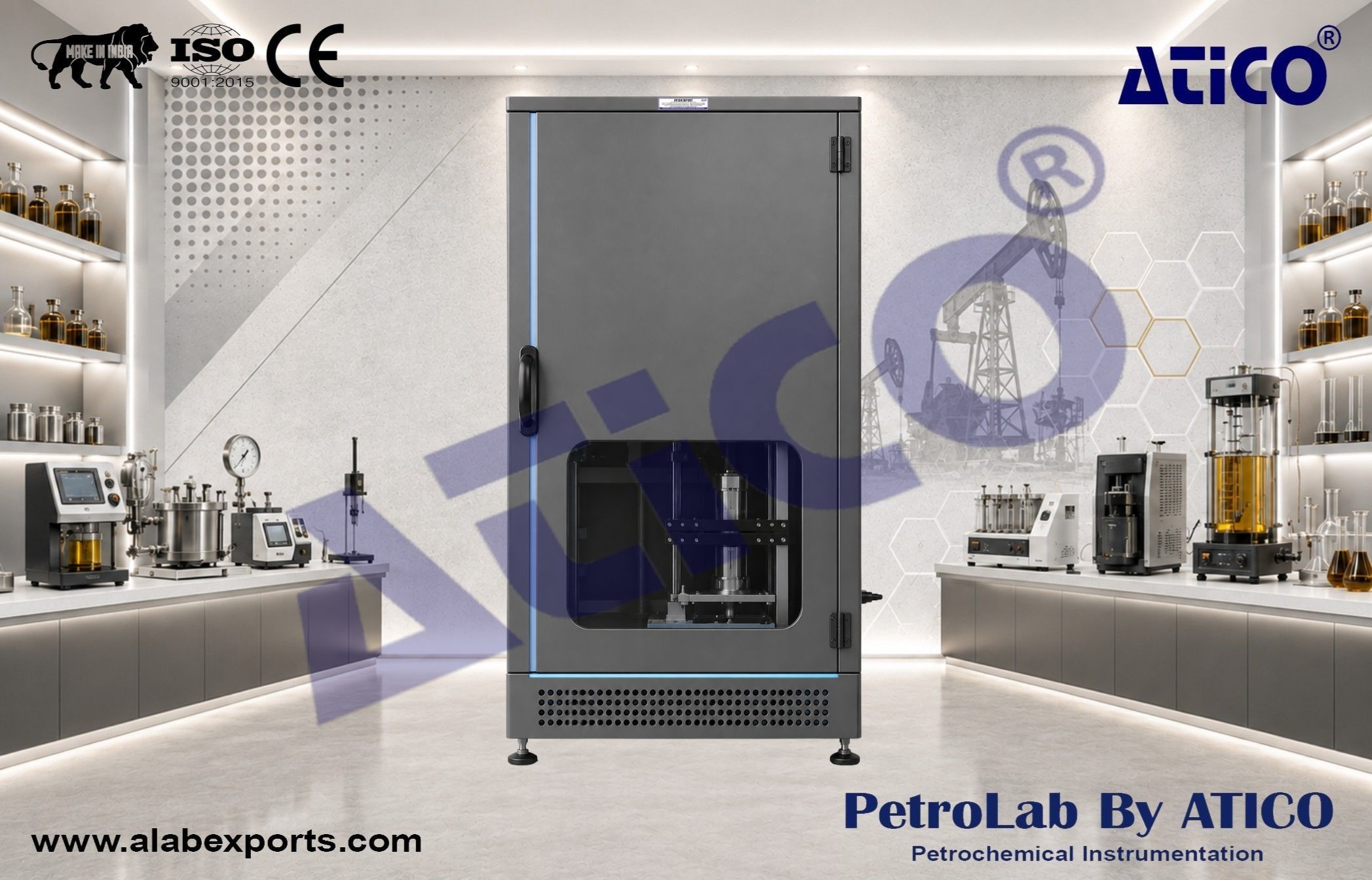
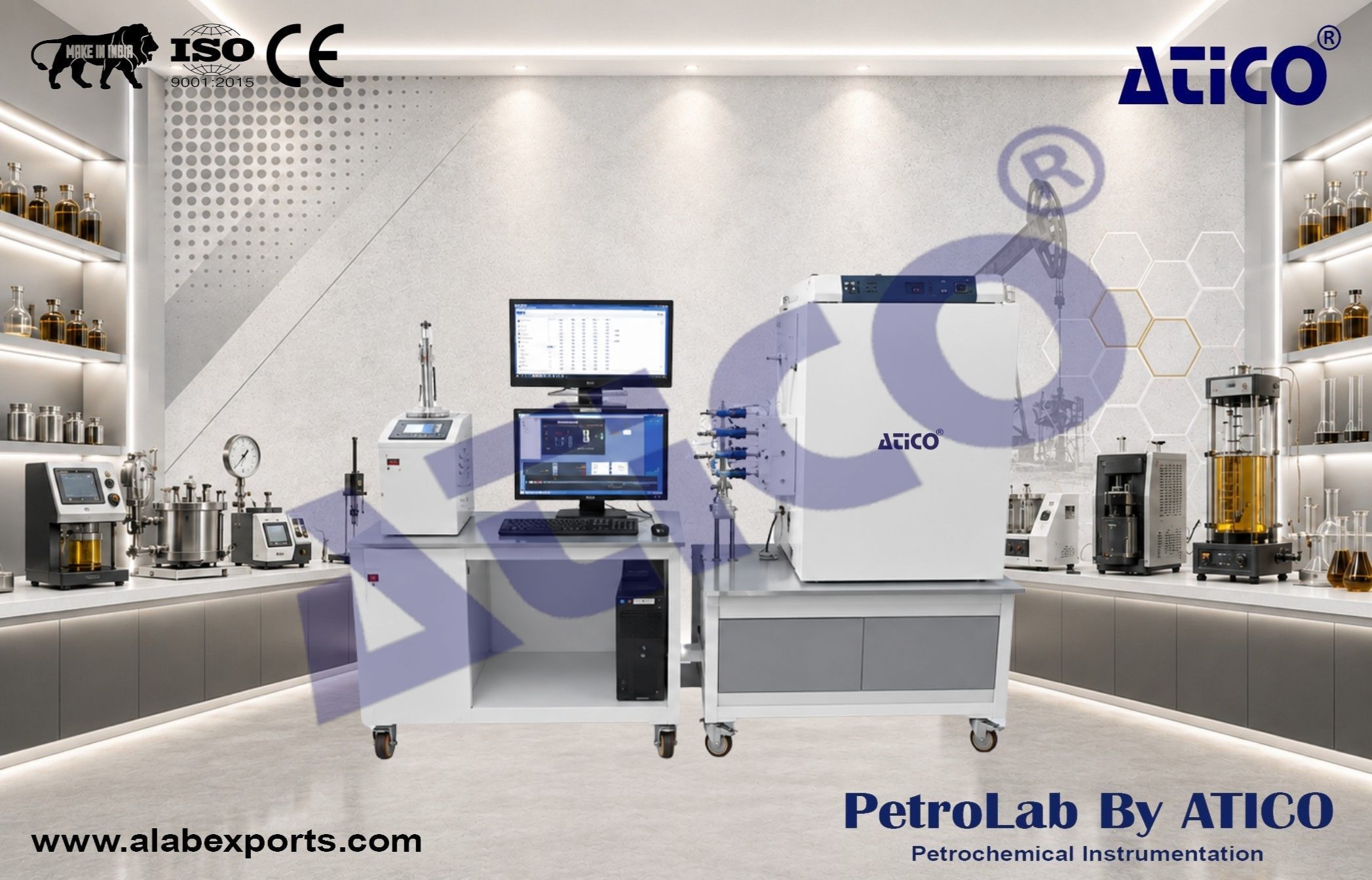
+91 98967 93832The Rising Bubble Apparatus system and trainers offers a quick and reliable method of determining the minimum miscibility pressure (MMP) of a gaseous phase in a surrounding liquid medium. The experimental results can be utilized to evaluate the efficiency of certain EOR processes such as vaporizing gas drive injections. The apparatus warrants a visual observation of miscibility; a needle, located at the bottom of a visual reservoir oil-filled column, liberates a gas bubble which travels towards the top of the column. Whereas the bubble volume will remain constant under immiscible conditions, the bubble will, under miscible conditions, gradually shrink as it travels upwards. The experiment is continuously monitored by four high resolution cameras and the images are interpreted by software to determine the miscibility onset. A small gas bubble having the desired composition is released into the column via the needle. Buoyancy causes the bubble to rise through the water column, then the water/oil interface and finally through the oil column. Throughout the experiment, the bubble’s shape and motion are continuously surveilled with four high-precision cameras. It takes between 3 and 30 seconds for the bubble to traverse the entire column. After two or three trials, the oil must be replaced. For a gas/oil pair, rising bubble experiments are performed at different pressures. The results allow the discernment of the pressure/bubble behavior relationship and minimum miscibility pressure.
Working pressure :
Working temperature :
Sightglass viewing area :
Internal section :
Needle tip diameter :
Material :
Fluids :
Electrical requirements :