
Loading product…
Loading product…
Need Help?
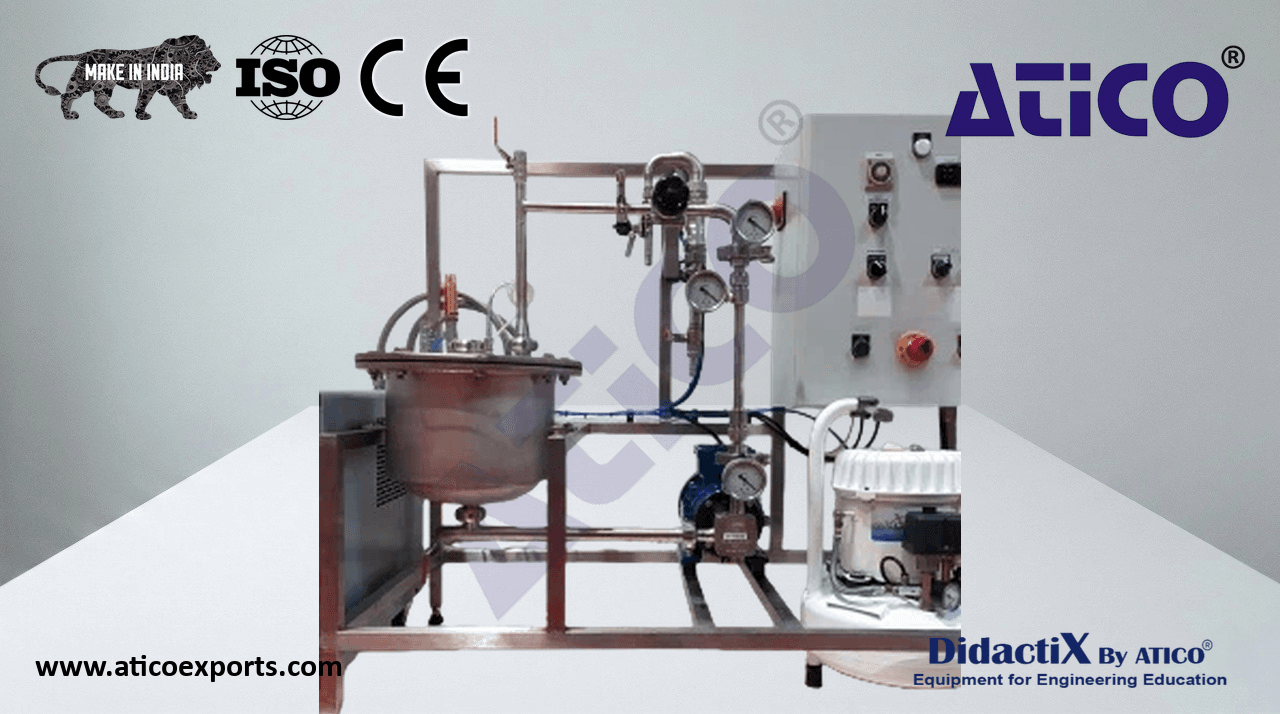
+91 98967 93832Chemical reaction is a fundamental operation in the chemical industry, enabling the production from simple molecules (reactants) of increasingly complex compounds for a growing number of industries (chemical, pharmaceutical, etc. ). Learning Objectives: Reaction kinetics. Learn about Laboratory Reactor exporters for optimal educational outcomes.. Reversible and irreversible reactions. Evaporation. Learn about Laboratory Reactor manufacturers for optimal educational outcomes.. Crystallisation by evaporation, chemical reaction, or cooling. Total reflux reactions. Learn about Laboratory Reactor price for optimal educational outcomes.. Mass balance. Conversion rate. Learn about Laboratory Reactor for educational labs for optimal educational outcomes..
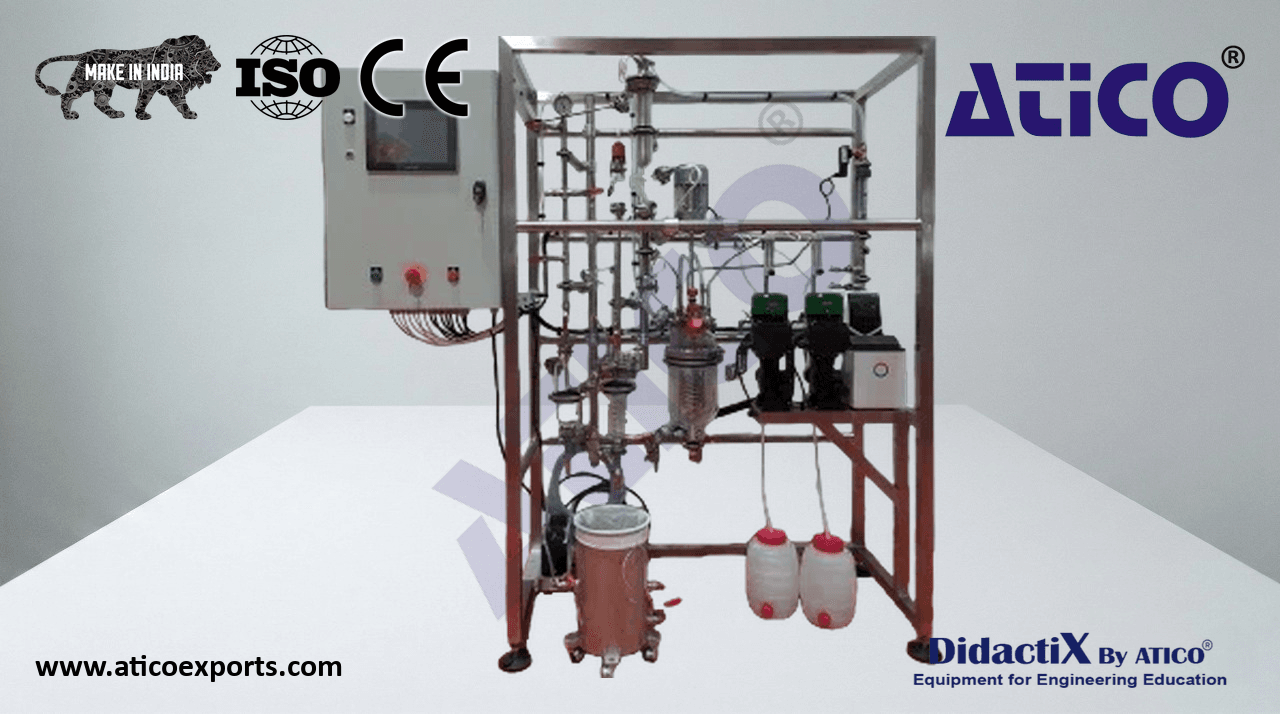
The distillation column enables solvent evaporation in the same reactor, separation of reaction products when the desired conversion is reached, or elimination of one reaction product (for reversible reactions, to shift the thermodynamic equilibrium). At the end of the experiment, the reaction products are recovered after cooling.
Graduated borosilicate glass reactant storage receiver with siphon system; 1 L useful volume (requires vacuum system, optional or on-site).
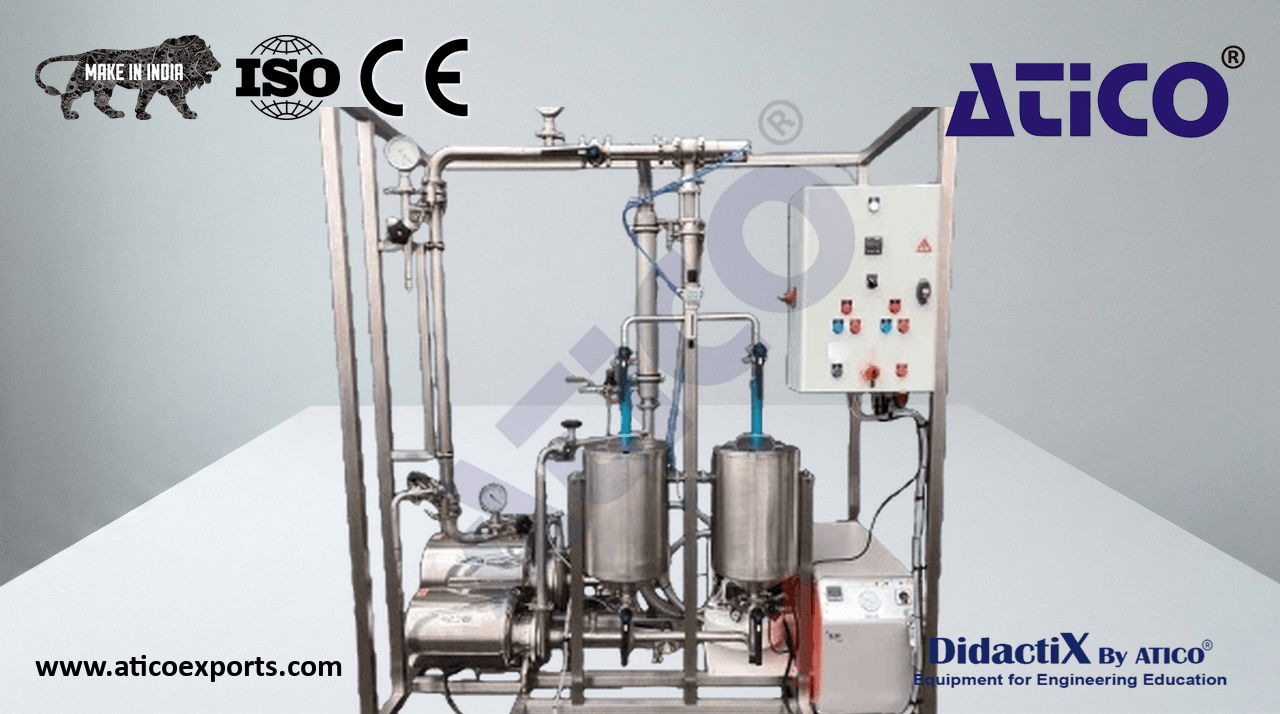
2 HDPE feed tanks with lid and drain valve; 10 L volume each.
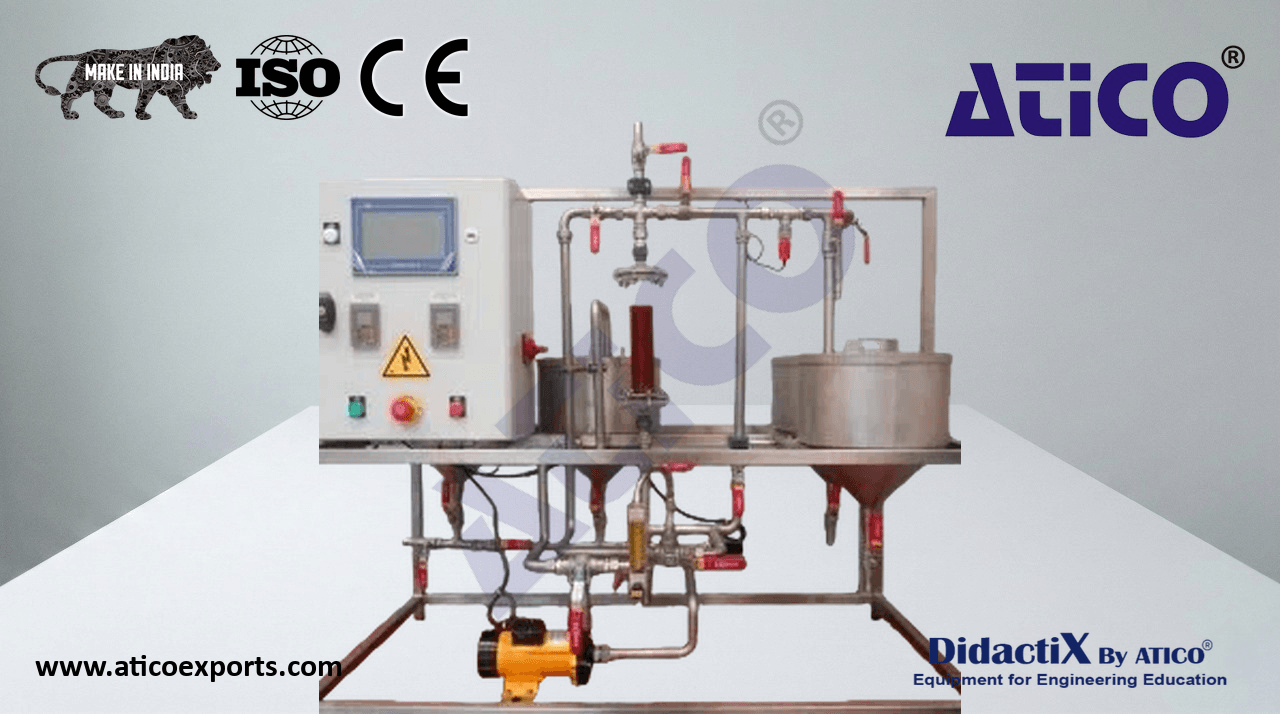
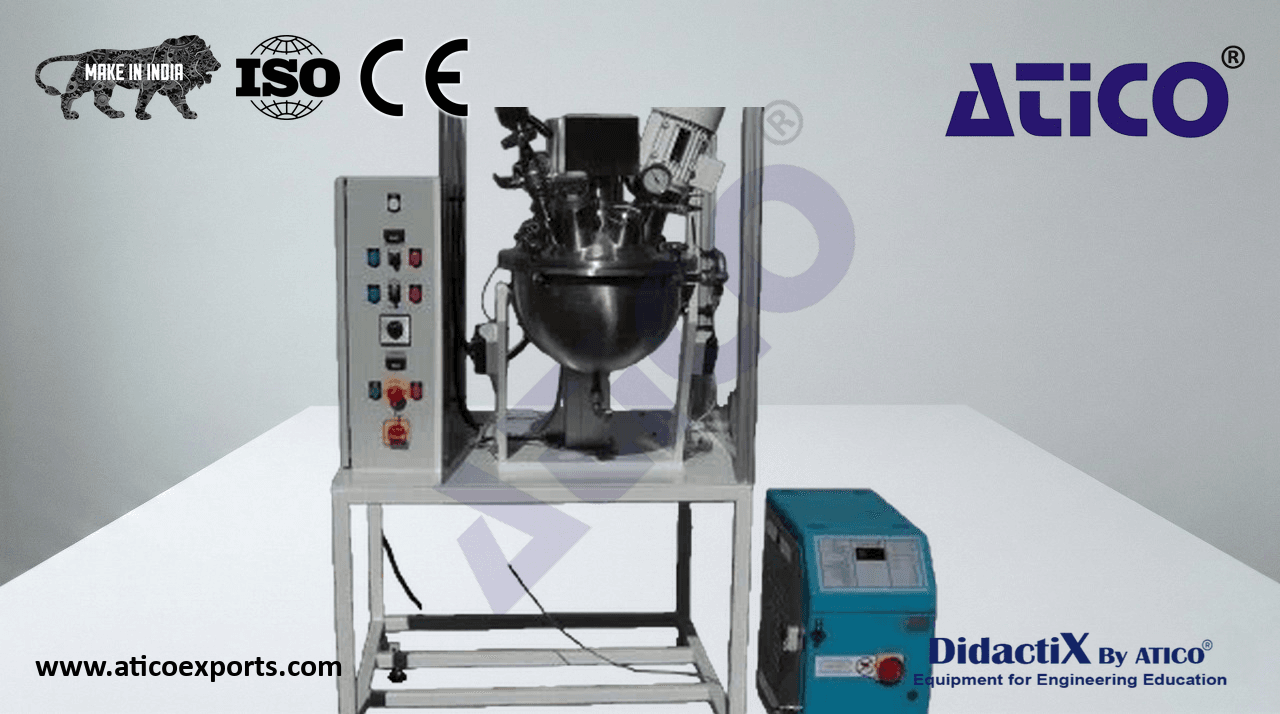
Grignard-type cylindrical reactor: borosilicate glass vessel, DN150, with thermal fluid double-jacket heating and flush-mounted drain valve; 3 L useful volume; borosilicate glass lid, DN150.
Variable-speed 316L stainless steel agitation assembly with propeller turbine.
316L stainless steel reaction mass cooling coil.
Borosilicate glass column, DN25, in one 250 mm section with 316L stainless steel multiknit packing.
Borosilicate glass column head, DN25, with temperature port, fitted with an electromagnetic timer valve to control the reflux ratio.
Vertical 316L stainless steel condenser with borosilicate glass shell, single-pass with baffles.
316L stainless steel distillate cooler.
Graduated borosilicate glass distillate receiver; 1 L useful volume.
316L stainless steel process pipework and reinforced PVC coolant pipework.
Welded 304L stainless steel frame with castors, two of which are braked.
Condenser cooling water supply with rotameter (40–400 L/h), flow control valve, and water circulation monitor to stop heating on coolant failure.
6 Pt100 temperature probes.
2 rotameters on the reagent feed lines.
Thermal fluid heating and circulation bath, 2.7 kW heating power, 5 L useful volume (thermal fluid supplied), with regulation via external Pt100 probe in the reactor.
IP66 control and instrumentation cabinet with emergency stop, start/stop buttons, electronic timer for column head valve, reactor/bath heating controller, agitation speed variator, digital speed indicator, and two digital temperature indicators for four Pt100 Ω probes.