Loading product…
Loading product…
Need Help?
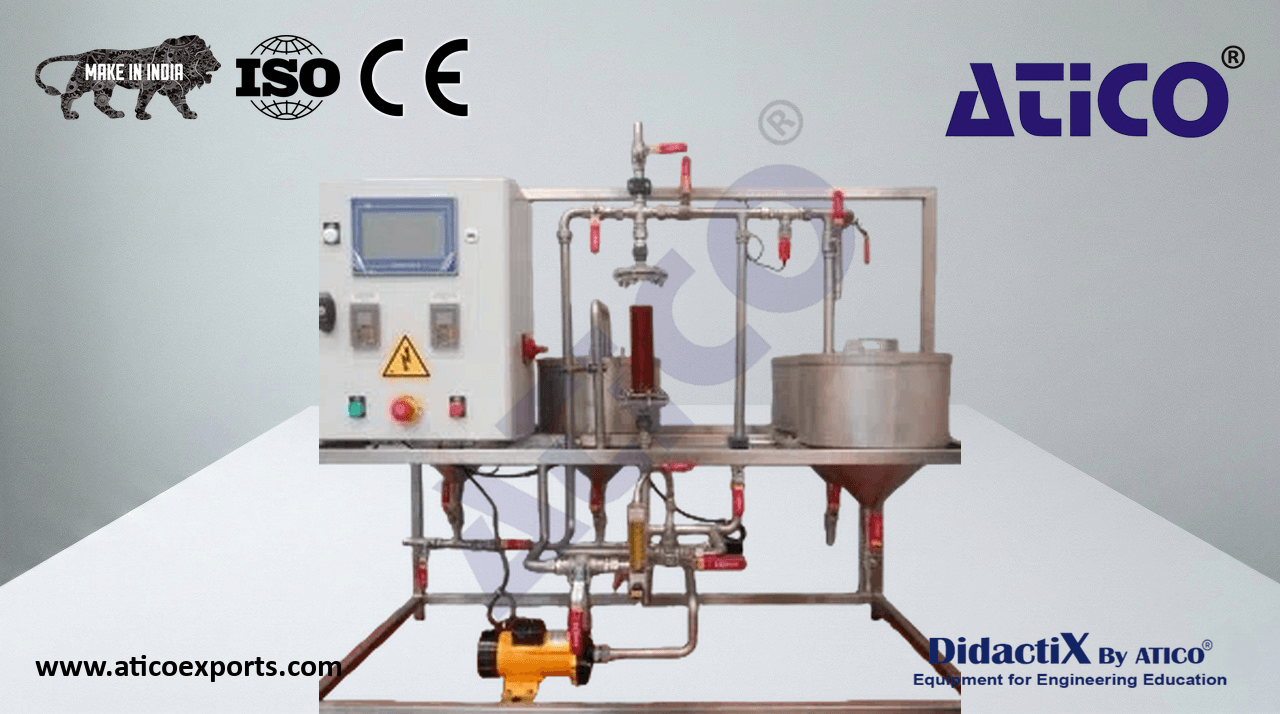
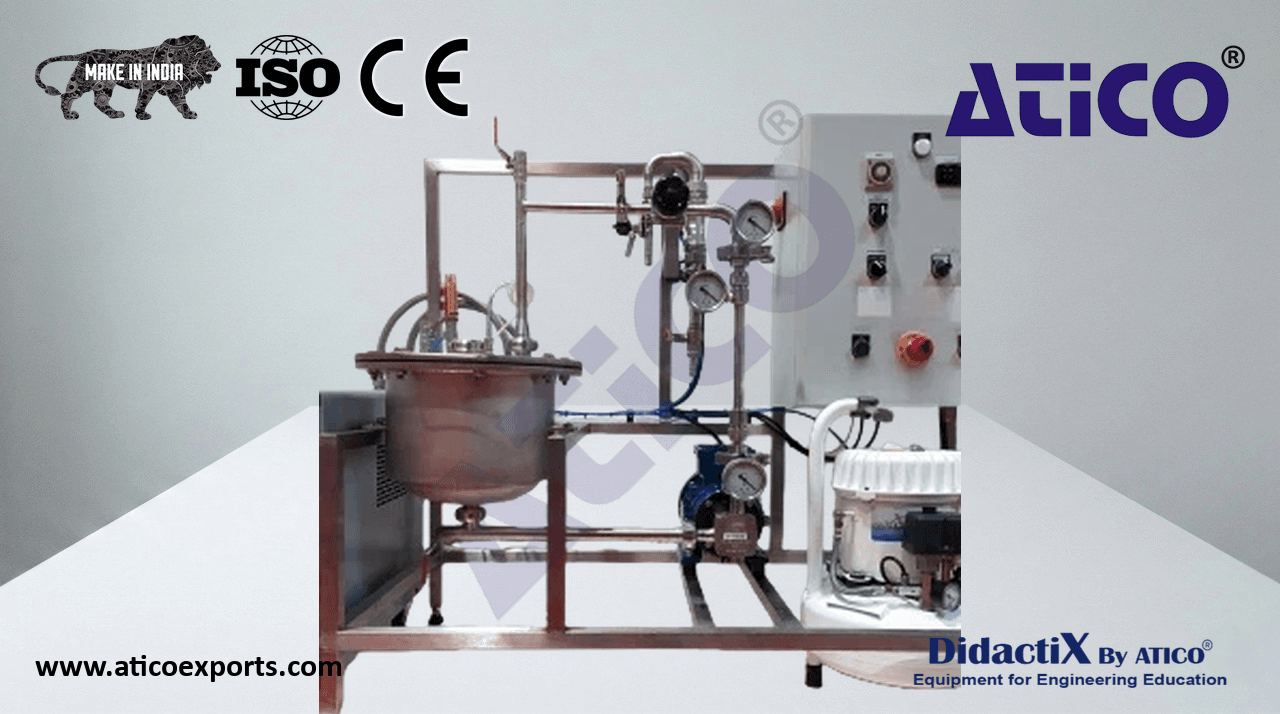
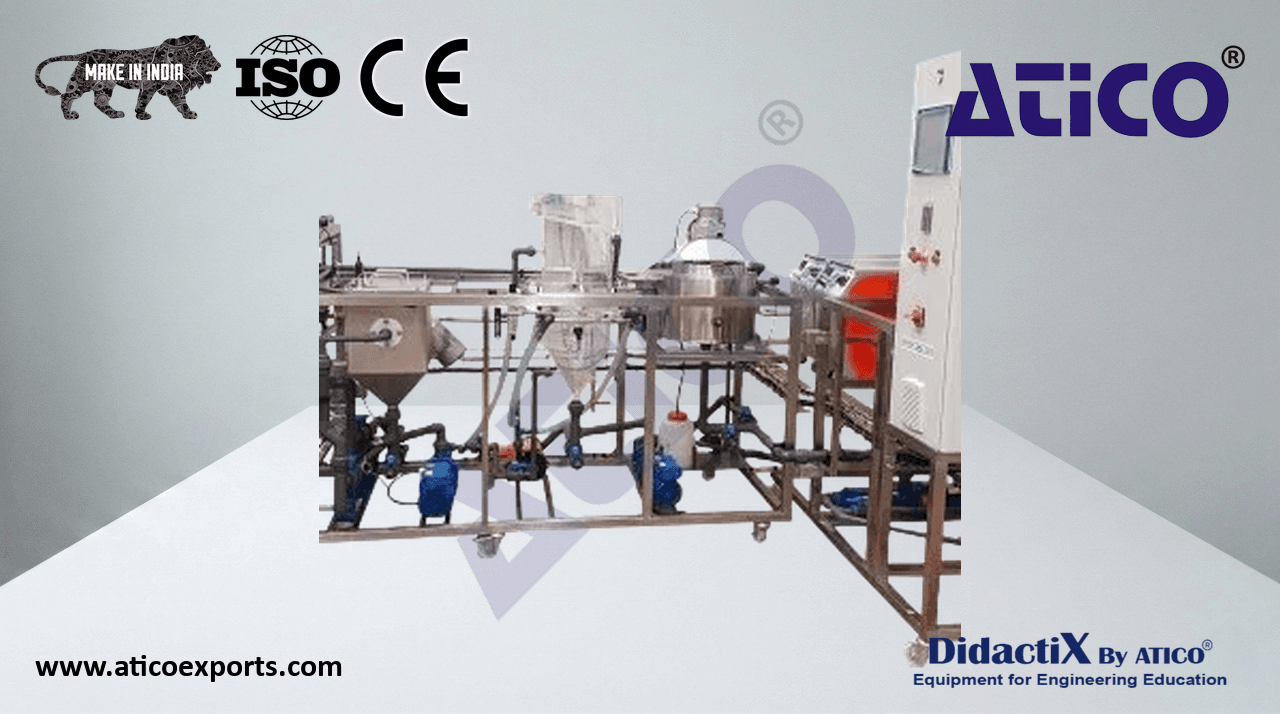
+91 98967 93832This pulp manufacturing line produces cellulose pulp from recycled cellulose fiber sources (paper, newspapers, cardboard, etc. ). It presents the characteristic steps of industrial recycled fiber production lines, scaled and adapted to the capacity and pace of a practical work session. Learn about Semi-Automatic Pulp Manufacturing Line price for optimal educational outcomes.. Educational Objectives: Production line sequencing, regulation studies (on/off and/or PID): levels, temperature, chemical dosing by redox, pump studies (progressive cavity and dosing pumps), physical measurements (speed, pressure, temperature, redox), automation.
The line is divided into modules distributed according to the main steps of pulp manufacturing from recycled fibers. Operative Part:
Support functions:
Pulping:
Mechanical treatment (classifying or refining):
Decantation:
Chemical treatment (bleaching):
Control Part:
A set of modular or assembled welded stainless steel 304L chassis, approximately 5m long, configurable in 'I' or 'L' layout
A set of characteristic paper pulp test equipment: precision balance with graduated cylinder, simple sheet preparation system (agitated reservoir, vacuum chamber, grid, vacuum pump), heating plate for drying sheets, durometer, calipers, surface colorimeter
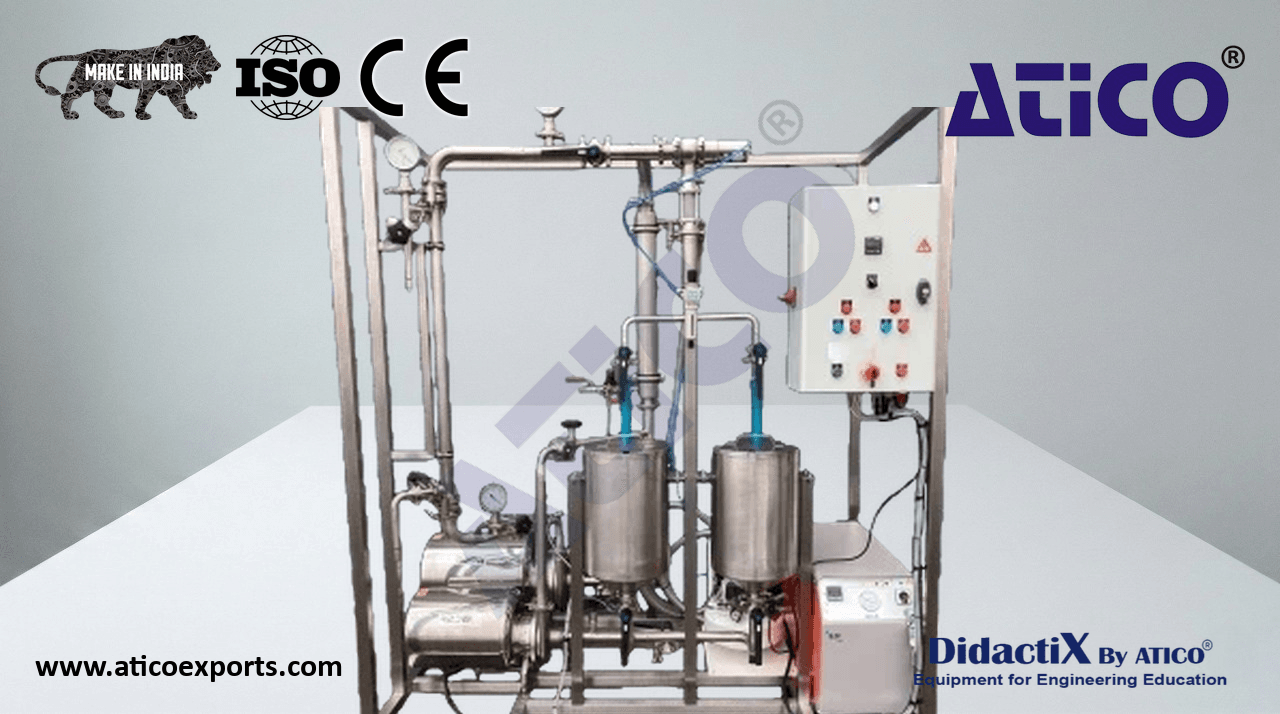
A process water storage and recycling unit: 2 polyethylene tanks, 2 water transfer pumps, 1 filter
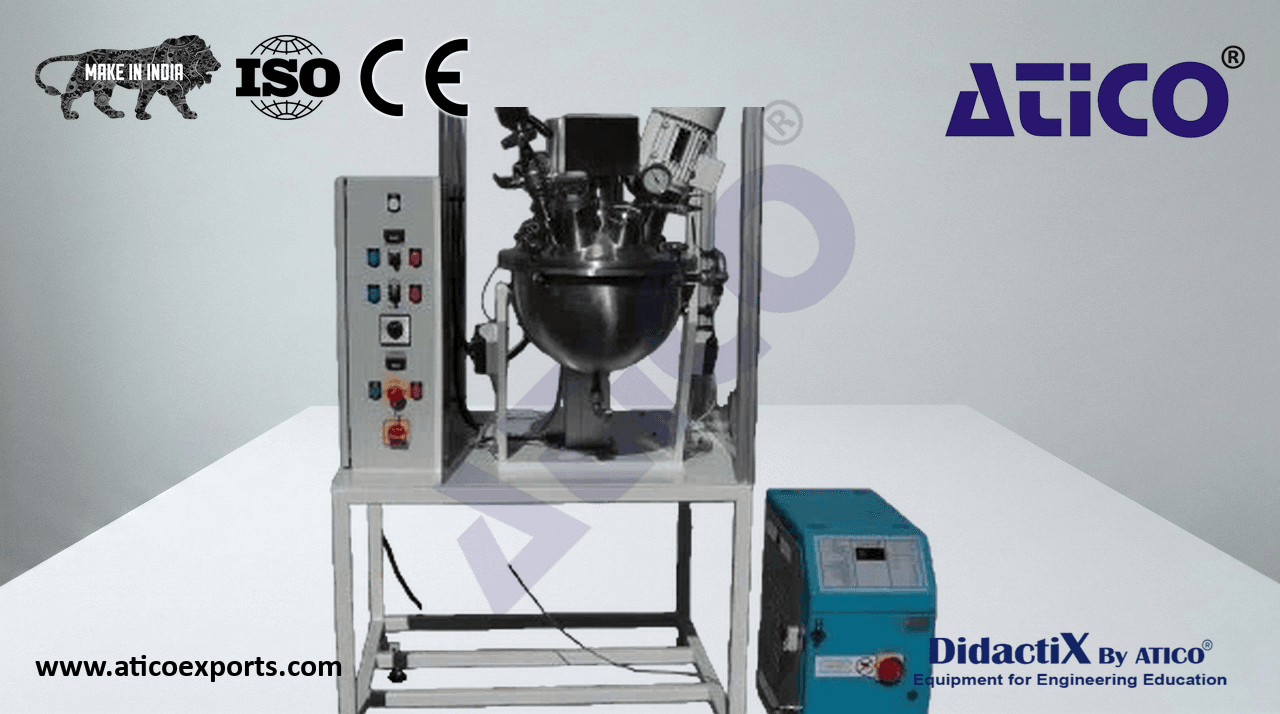
A pulper: 25L stainless steel 304L tank with variable-speed stirring and double jacket thermostatically controlled by a 6kW heating unit (max 90°C)
A pulped pulp transfer pump
2 intermediate storage tanks of 30L in polyethylene
A classifier: 25L stainless steel 304L tank and 15L stainless steel 304L drum with rotation and recycled water rinsing system
A classified/refined pulp transfer pump
A cylindroconical decanter in transparent acrylic with vortex stirring for ink flotation, and a supernatant withdrawal pump
A de-inked and concentrated pulp transfer pump
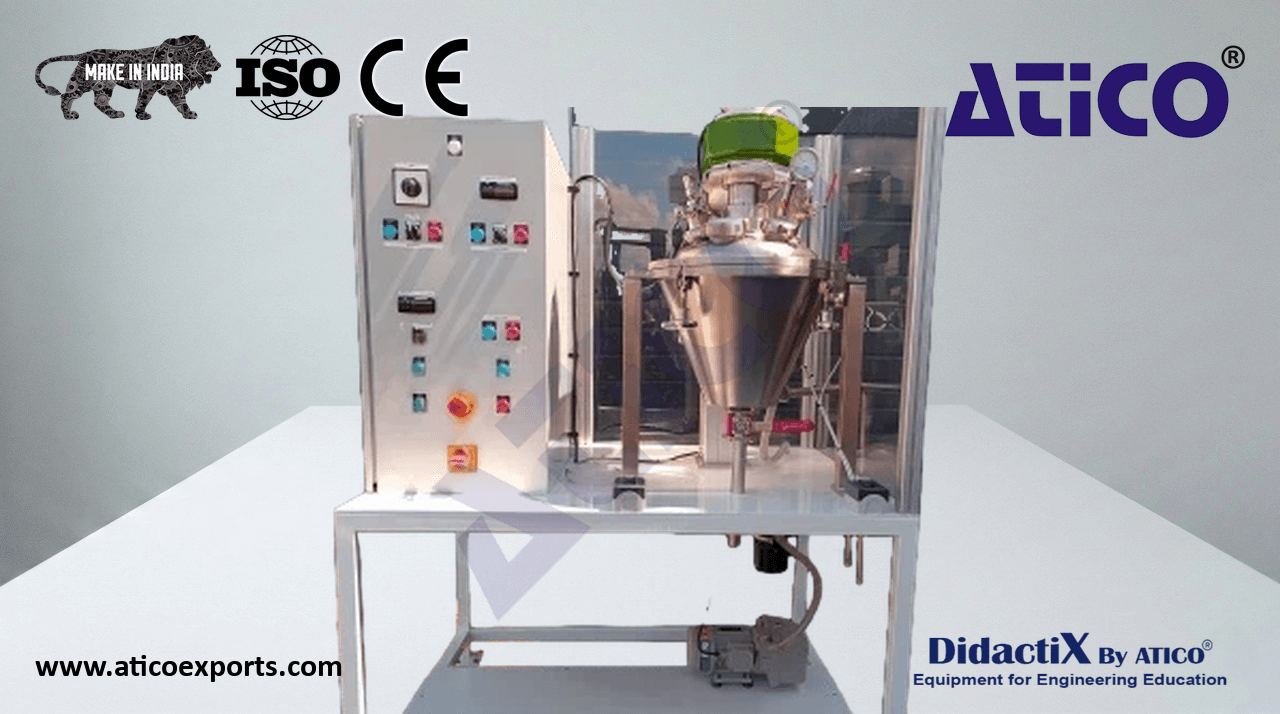
A 25L stainless steel 304L bleaching tank with variable-speed stirring, double-jacket thermostatically controlled by a 6kW heating unit (max 90°C), oxidizing agent dosing system, and redox potential measurement probe
A final pulp transfer pump
IP66 control cabinet with power supply and protection for stirring motors and pumps
Step sequencing by programmable controller with touchscreen acting on: pump speed drives, stirring speed drives, temperature regulator display and control (pulping and bleaching steps), redox transmitter display (bleaching step)