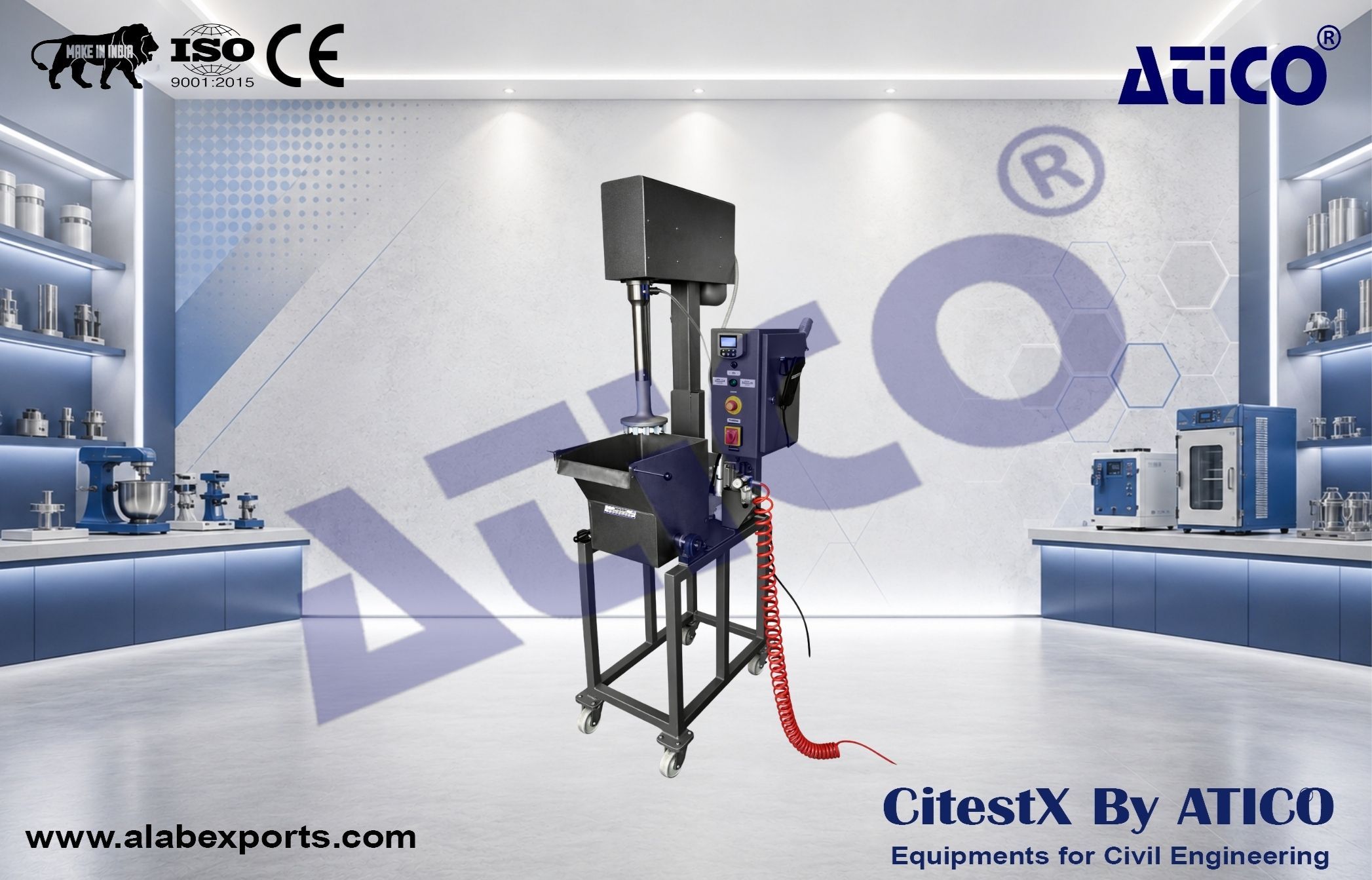
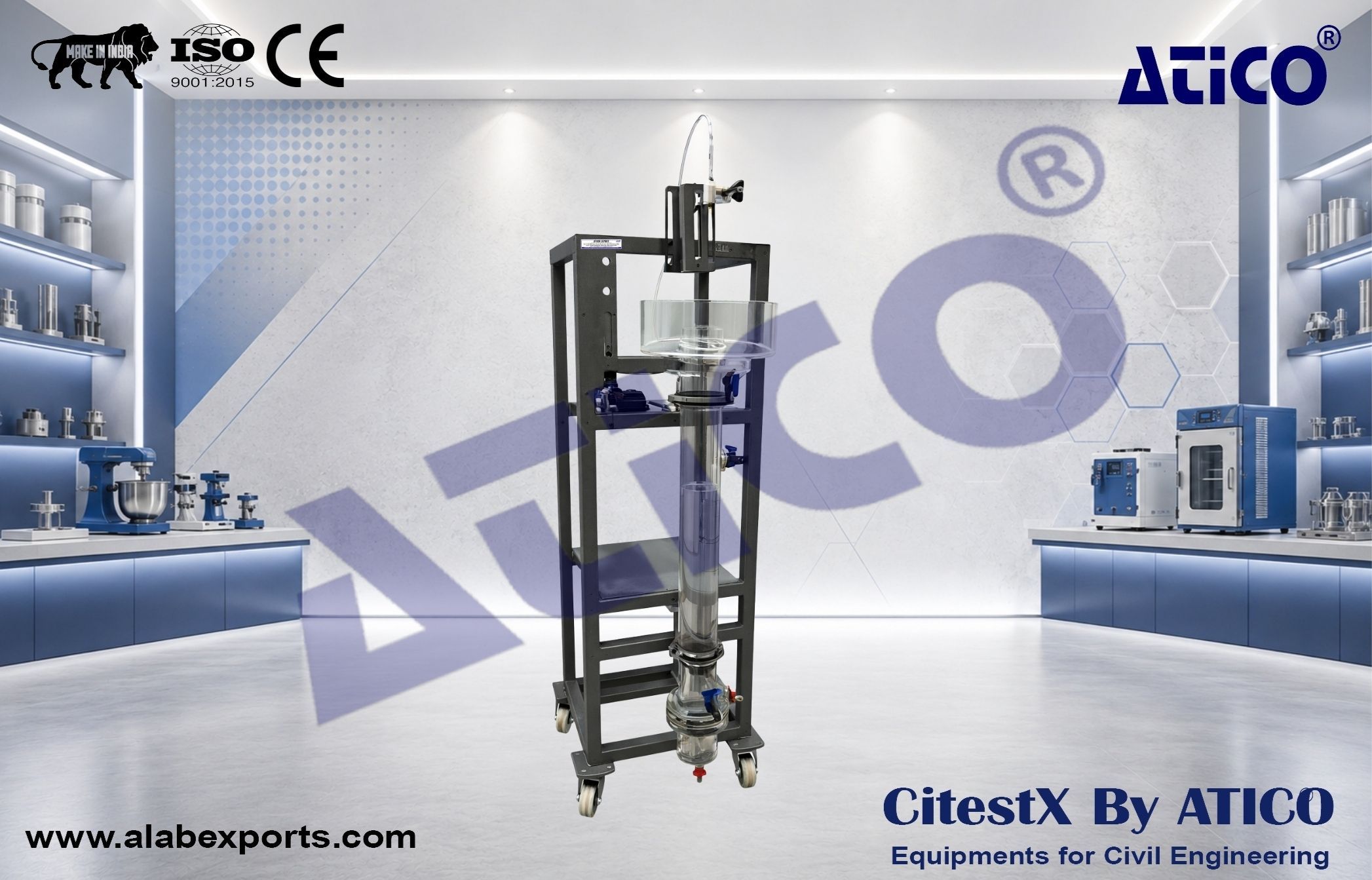
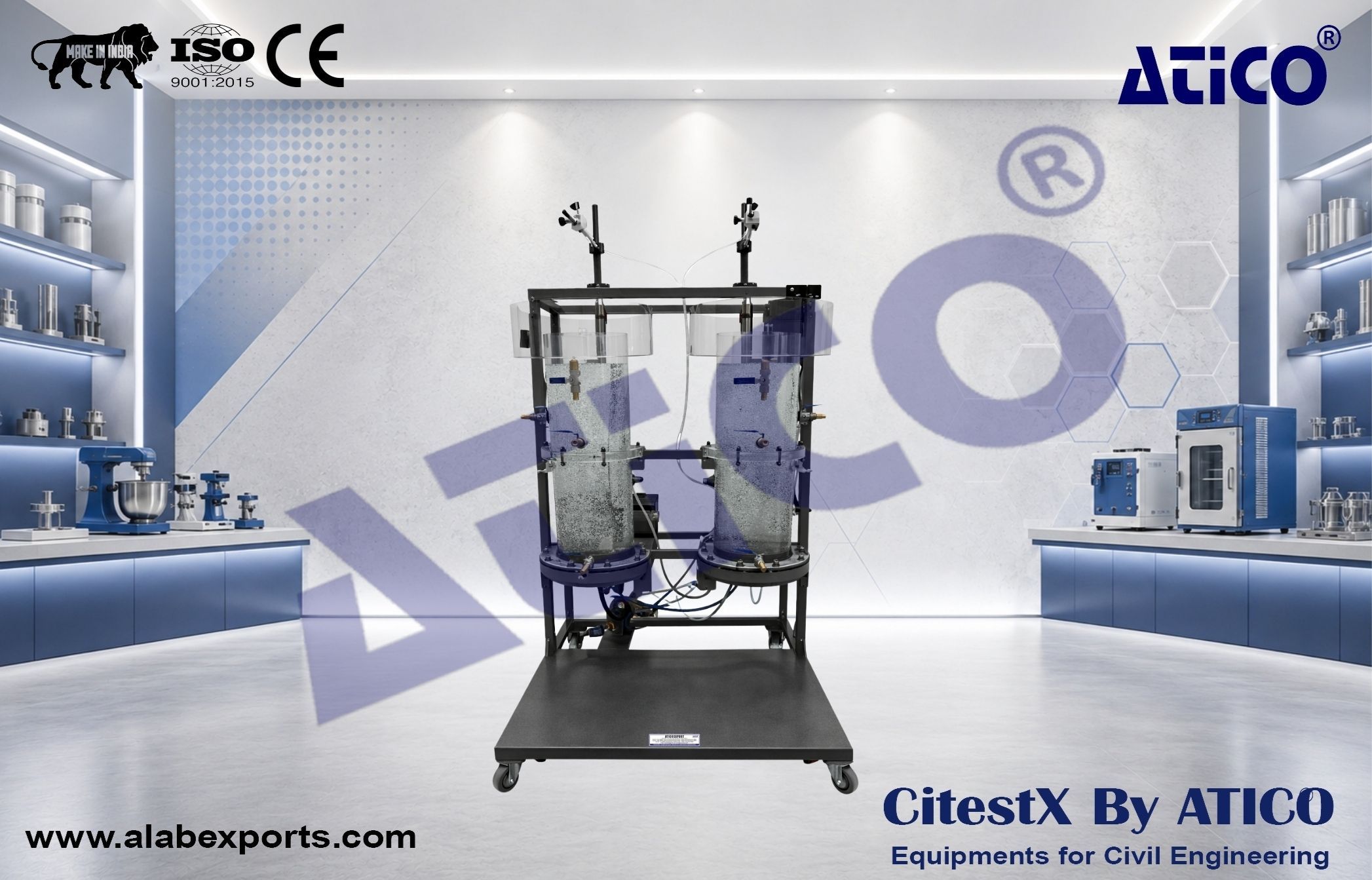
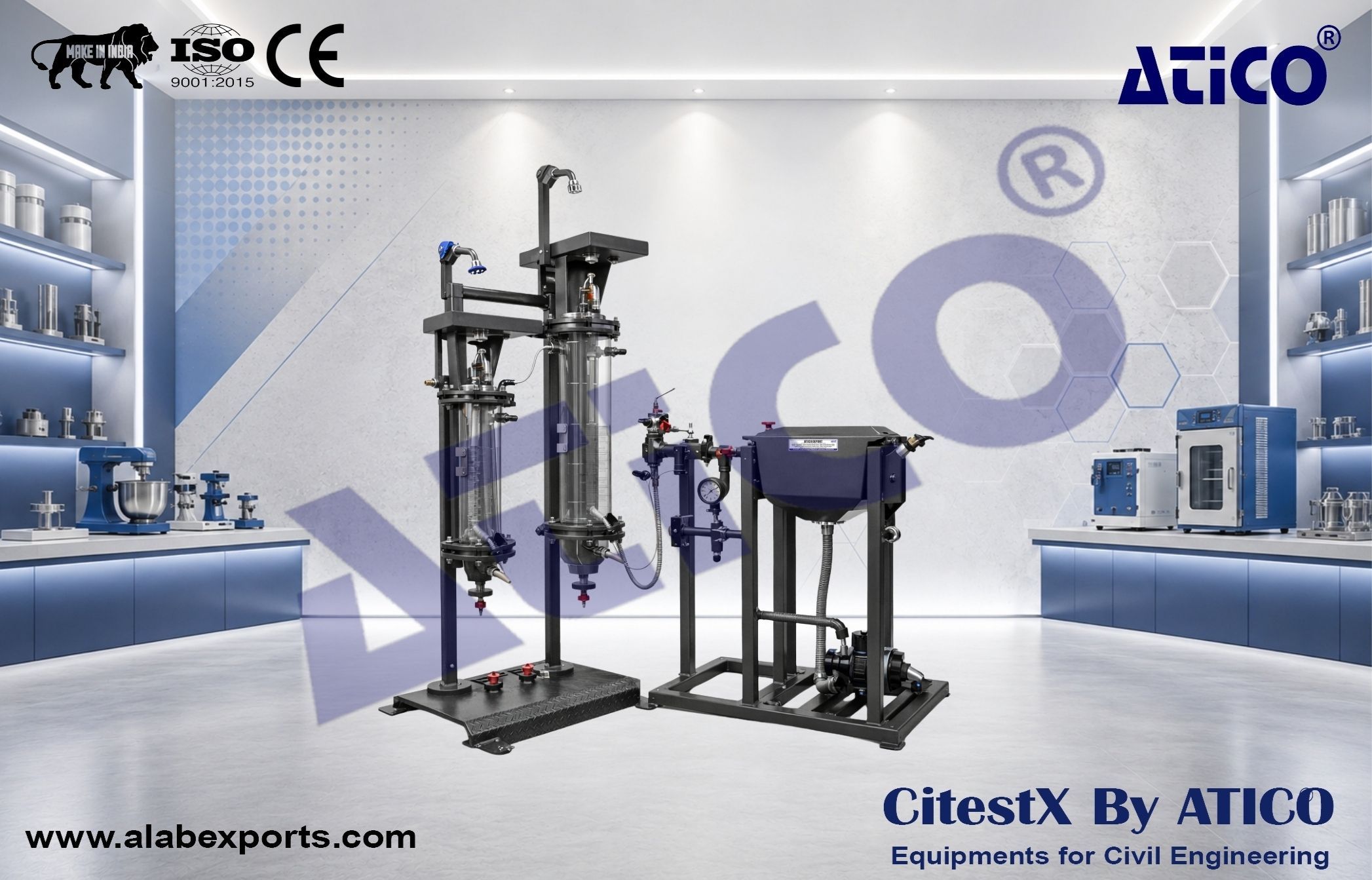
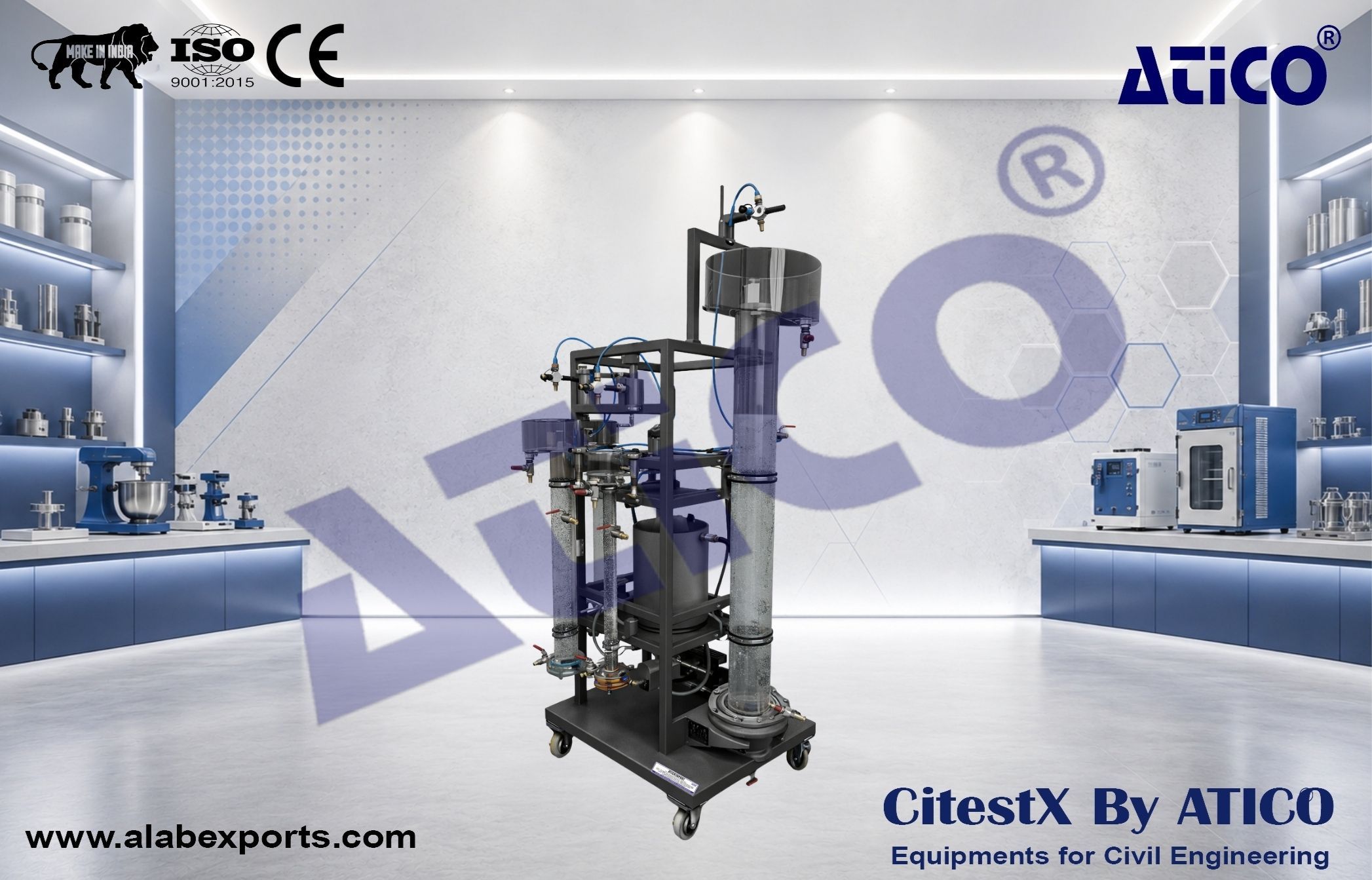
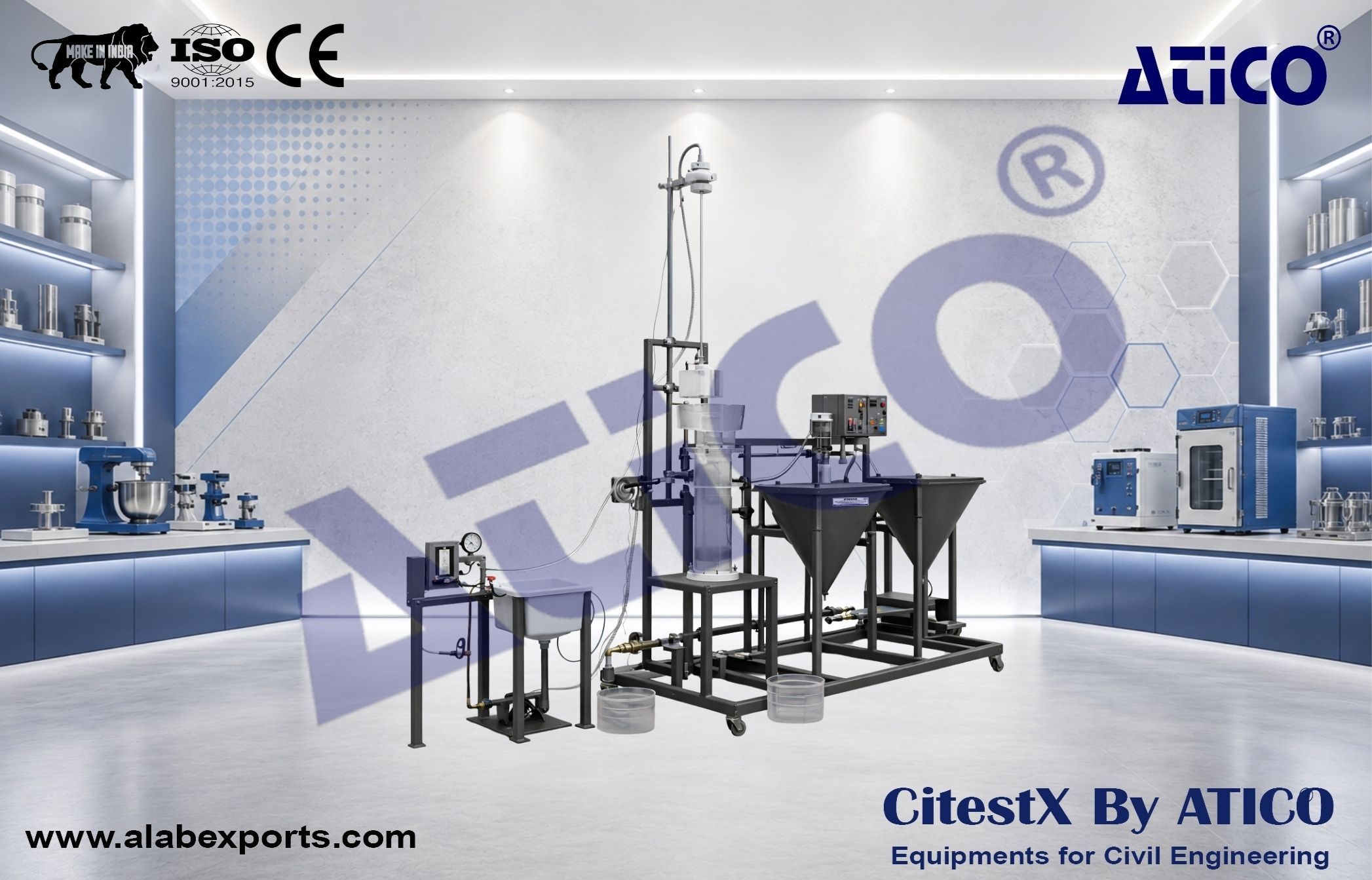
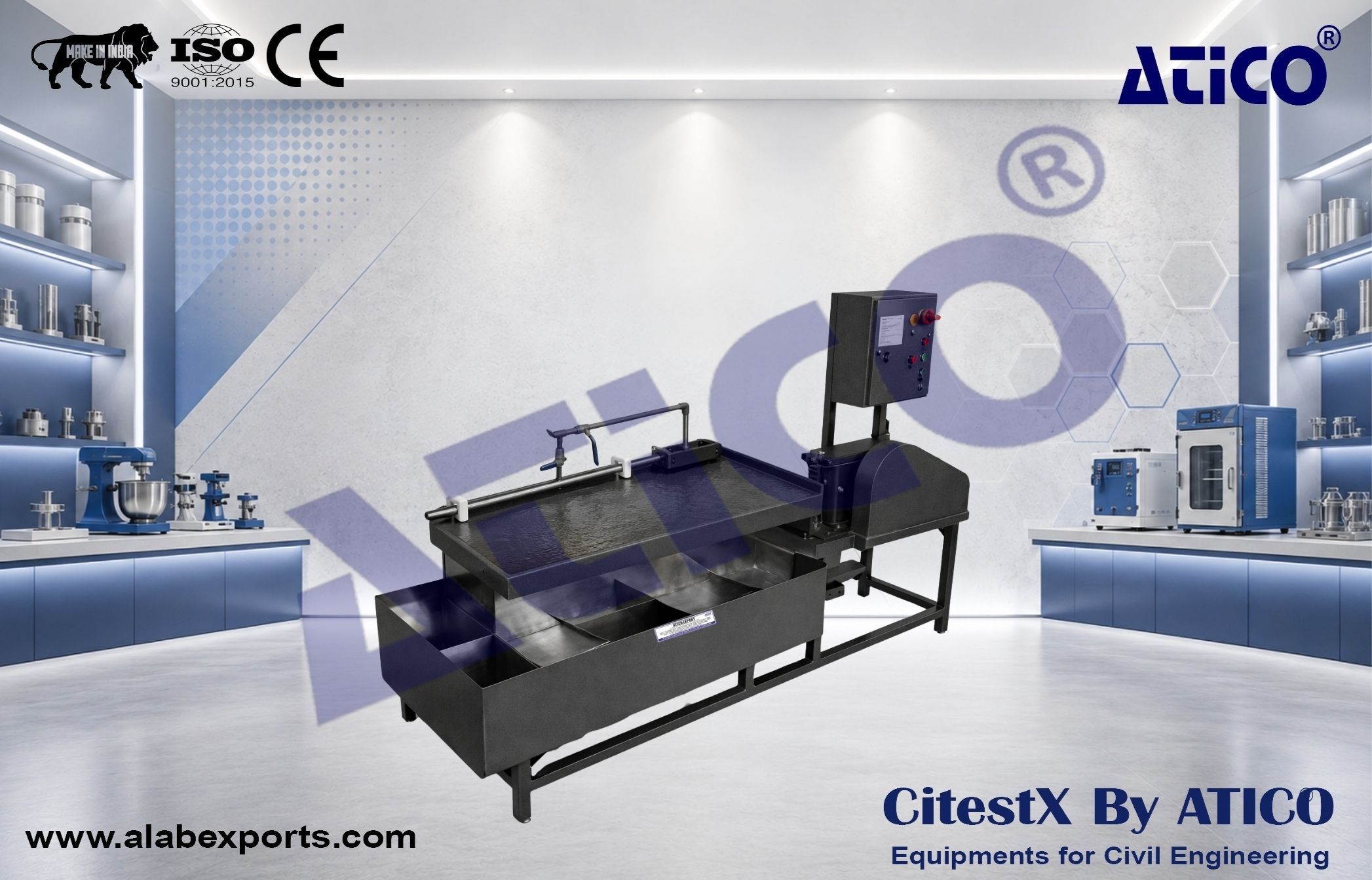
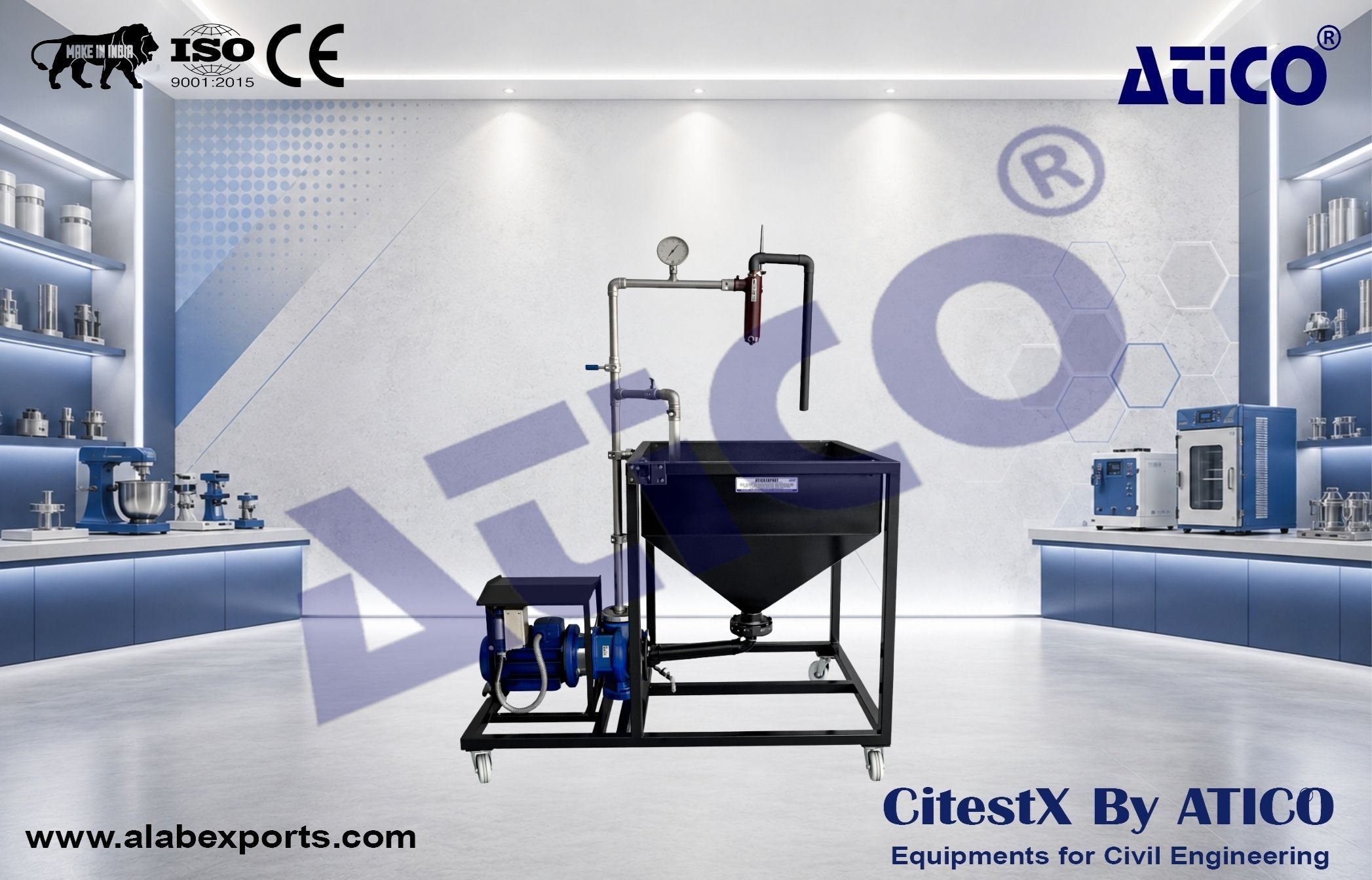
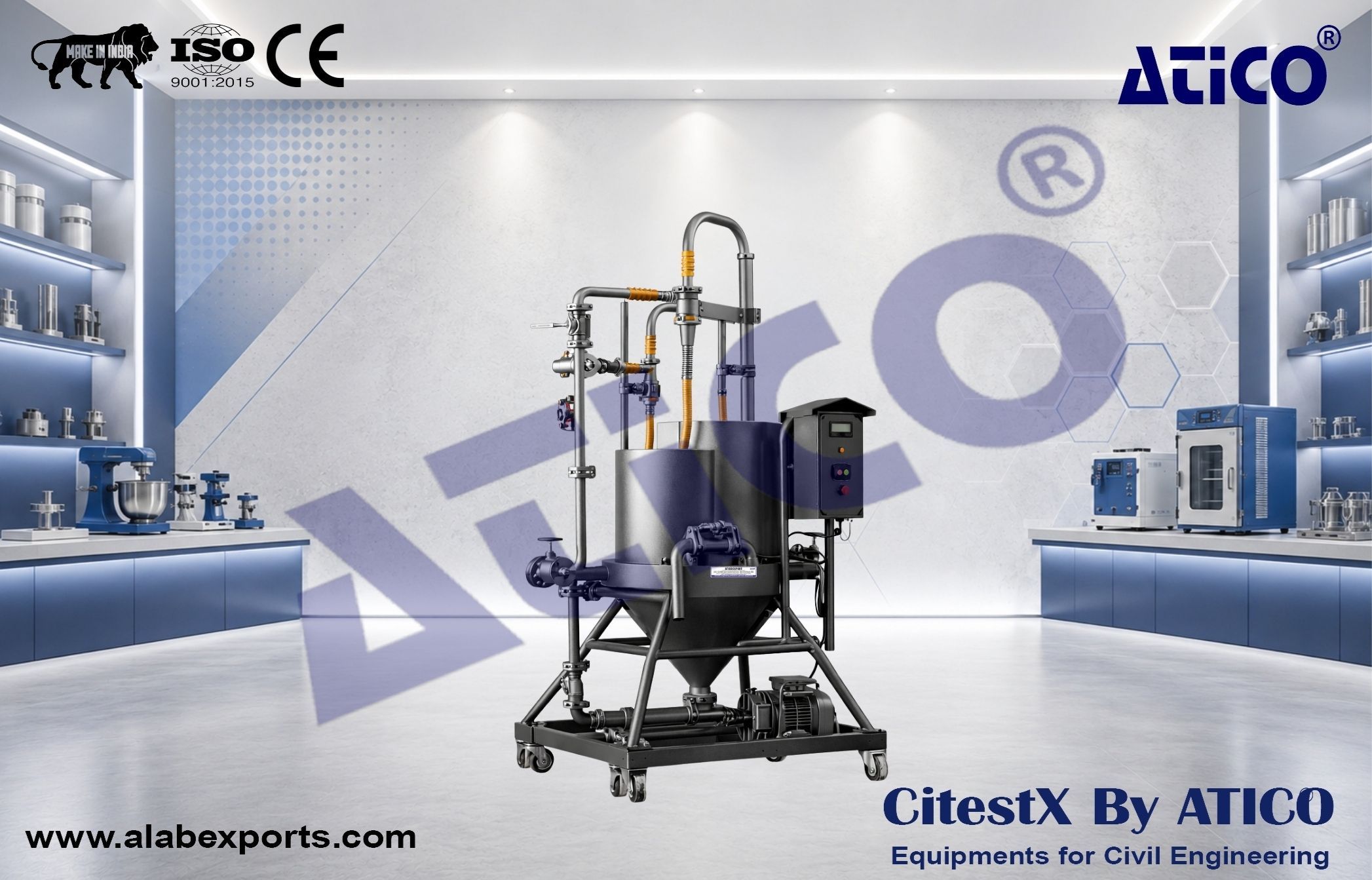
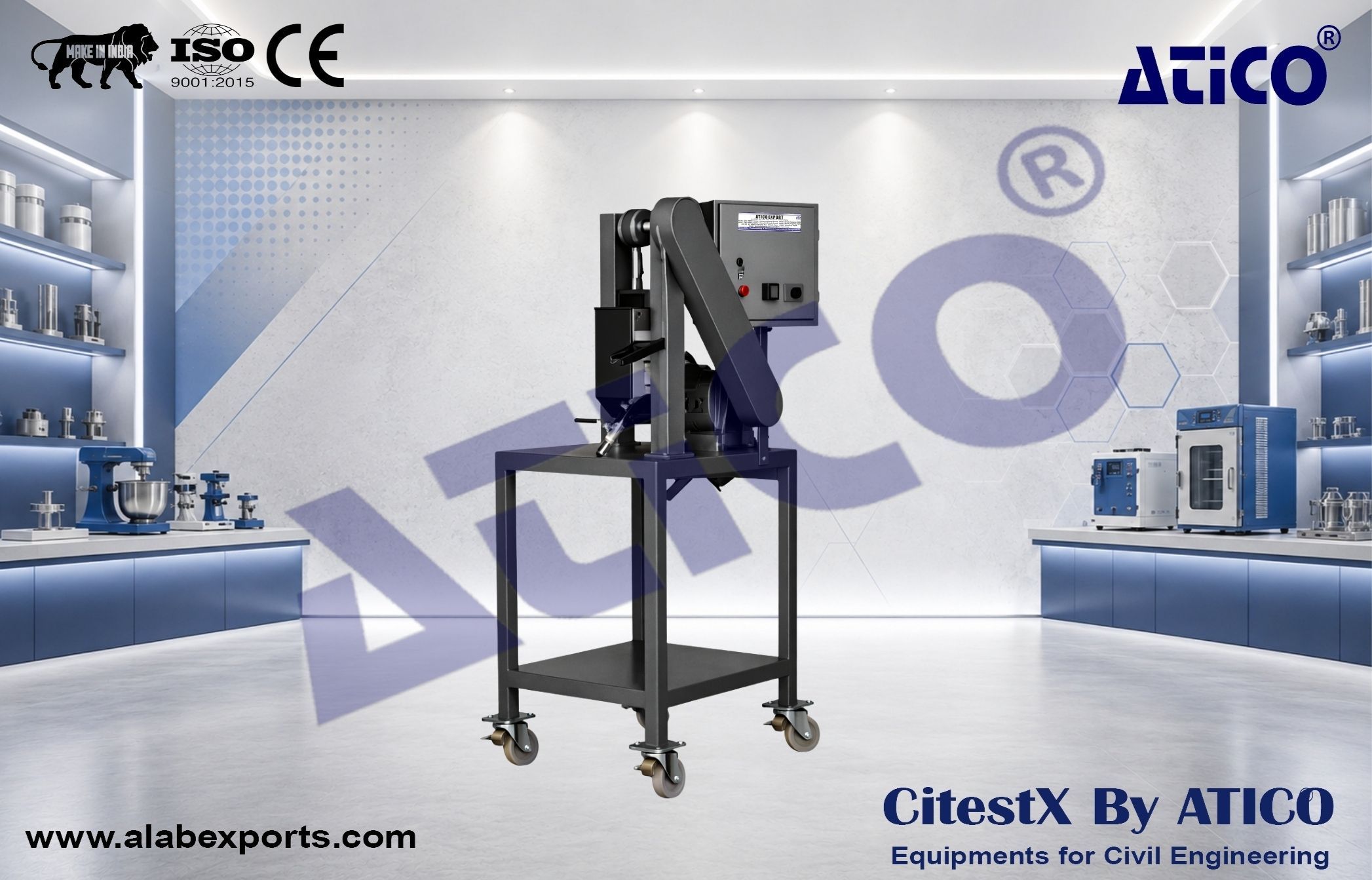
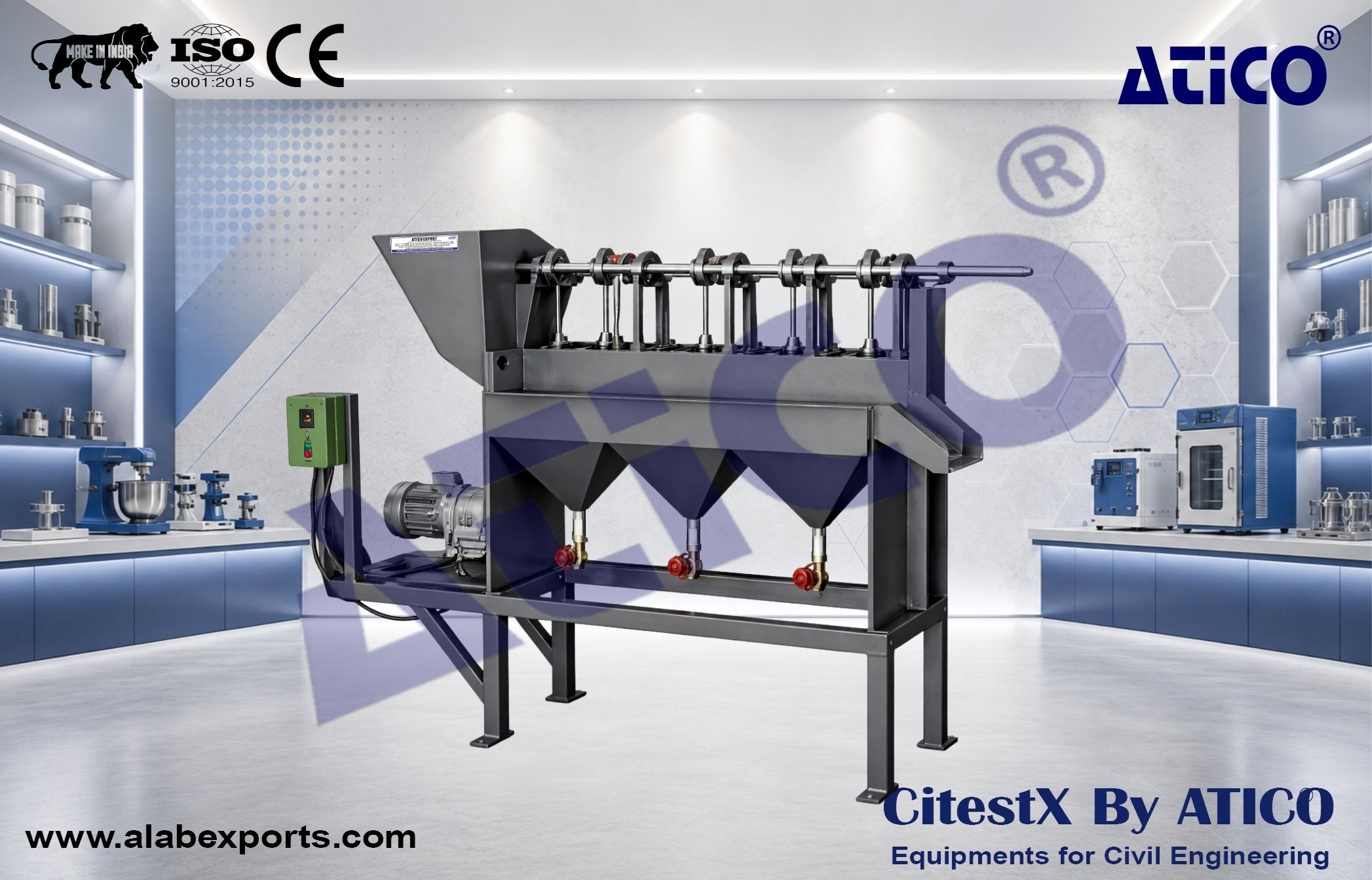
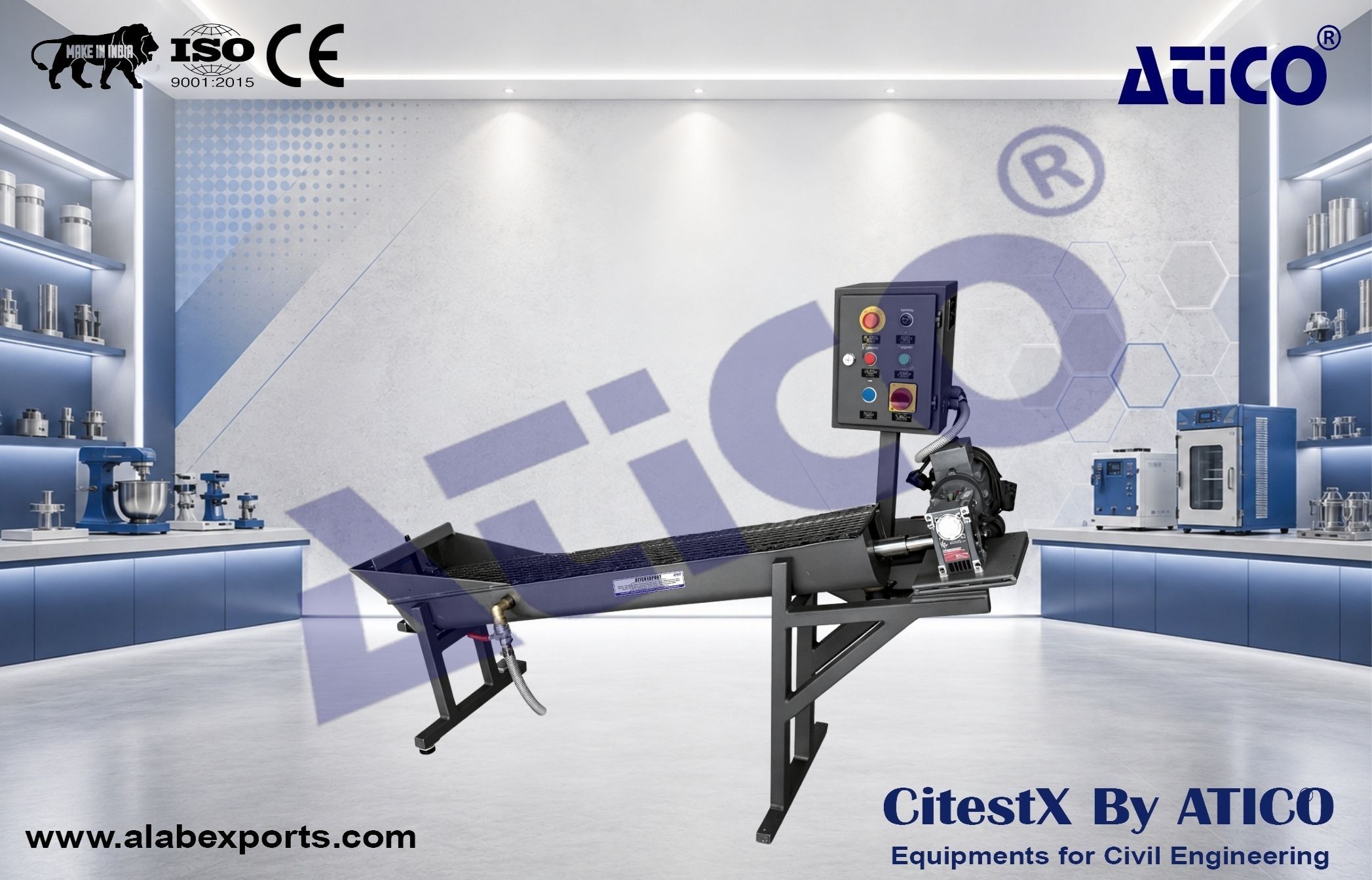
This 30 liter flotation machine, one of the most innovative solutions in our product range, stands out with its user-friendly design and advanced technological features. This device provides high efficiency in flotation processes, making it possible to perform larger-scale tests in a laboratory environment.
Prominent Innovations:
- Electro-Mechanical Mechanism : Thanks to the developed electro-mechanical mechanism, the flotation column can be easily moved up and down by hand control. This feature offers operators significant ease of use and provides greater flexibility during operation.
- Digital Speed Adjustment : Speed settings can now be viewed on the digital screen. In this way, users can control the mixer speed more precisely and increase operational efficiency.
- Integrated Flowmeter : The integrated flowmeter allows you to precisely control the air flow entering the cell. This helps to constantly maintain optimal flotation conditions and increases the reliability of test results.
- Expanded Flotation Cell : Flotation cell volume has been increased to 30 liters. This offers the opportunity to work with larger volumes of samples and increases the efficiency of the flotation process.
- Tilting Mechanism : The tilting mechanism integrated into the flotation cell makes the unloading process fast and easy. This feature reduces operating time and significantly improves overall ease of use.
Working Principle :
The flotation machine operates on the principle of separating fine-grained materials by flotation in a water environment. In this process, mineral particles interact with water, air bubbles, and chemical reagents, allowing specific minerals to be floated to the surface. Here are the key steps in the machine–s operation:
- Sample Preparation and Feeding : A mineral sample mixed with water is added to the flotation cell. The impeller and stator system inside the cell uniformly mix the slurry and generate air bubbles.
- Addition of Reagents : Chemical reagents (collectors, frothers, etc.) are added to the mixture to float specific minerals to the surface. These reagents create a bond between mineral particles and air bubbles, enabling flotation.
- Mixing and Air Injection : The impeller continuously agitates the slurry, while air is supplied to the cell at an adjustable flow rate. As air bubbles rise, they attach to specific minerals, lifting them to the surface. Unwanted minerals settle at the bottom of the cell.
- Collection of Froth Layer : Mineral-loaded bubbles form a froth layer at the top of the cell. This froth layer is manually or automatically collected as a concentrated sample.
- Waste Separation : Remaining waste settles at the bottom of the flotation cell and is discharged after the process. This waste can either undergo further processing or be discarded in the sample preparation stage.
- Tilting Mechanism for Discharging : To facilitate efficient sample handling, the flotation machine is equipped with a tilting mechanism. This feature allows for easy discharging of materials, enhancing operational convenience and safety.